8 Wolf Cut Layer Hairstyles for Modern Texture
Wolf cut layers are great for anyone who wants shape, movement, and a fuller-looking style without too much daily effort. This list covers soft, edgy, short, long, wavy, and curly wolf cut ideas for different hair types. Before styling, use a light leave-in or texture spray so the layers look defined, not flat or heavy.
Quick List
- Soft Shaggy Wolf Cut Hairstyle
- Long Layered Wolf Cut Hairstyle
- Short Textured Wolf Cut Hairstyle
- Wavy Wolf Cut Hairstyle
- Curly Wolf Cut Hairstyle
- Face-Framing Wolf Cut Hairstyle
- Wispy Bangs Wolf Cut Hairstyle
- Shoulder-Length Wolf Cut Hairstyle
Soft Shaggy Wolf Cut Hairstyle
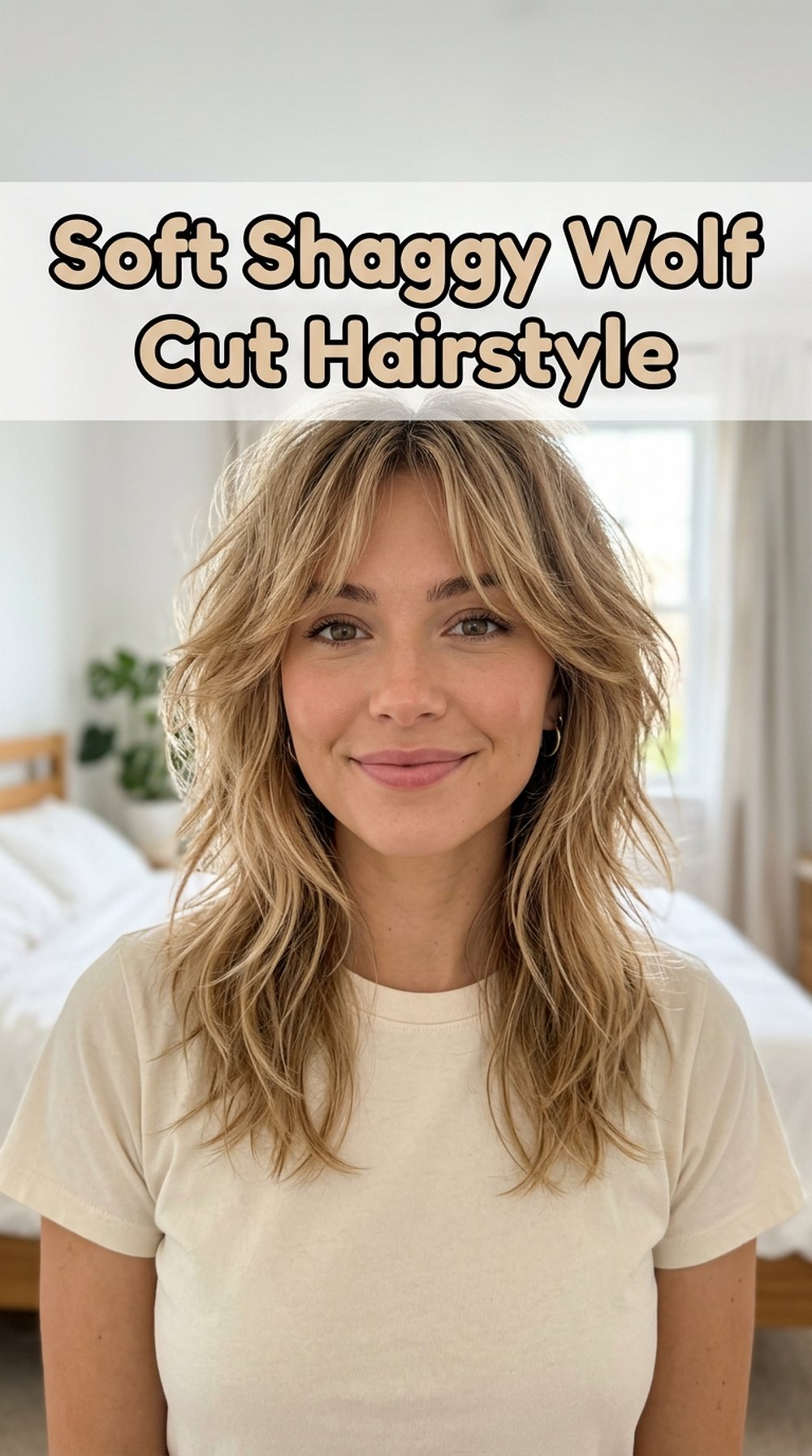
This soft shaggy wolf cut keeps the layers light and wearable, with gentle volume around the crown and relaxed ends. It works well for medium hair that needs more shape without looking too sharp. Use a small amount of styling cream to separate the layers and keep the finish soft.
Long Layered Wolf Cut Hairstyle
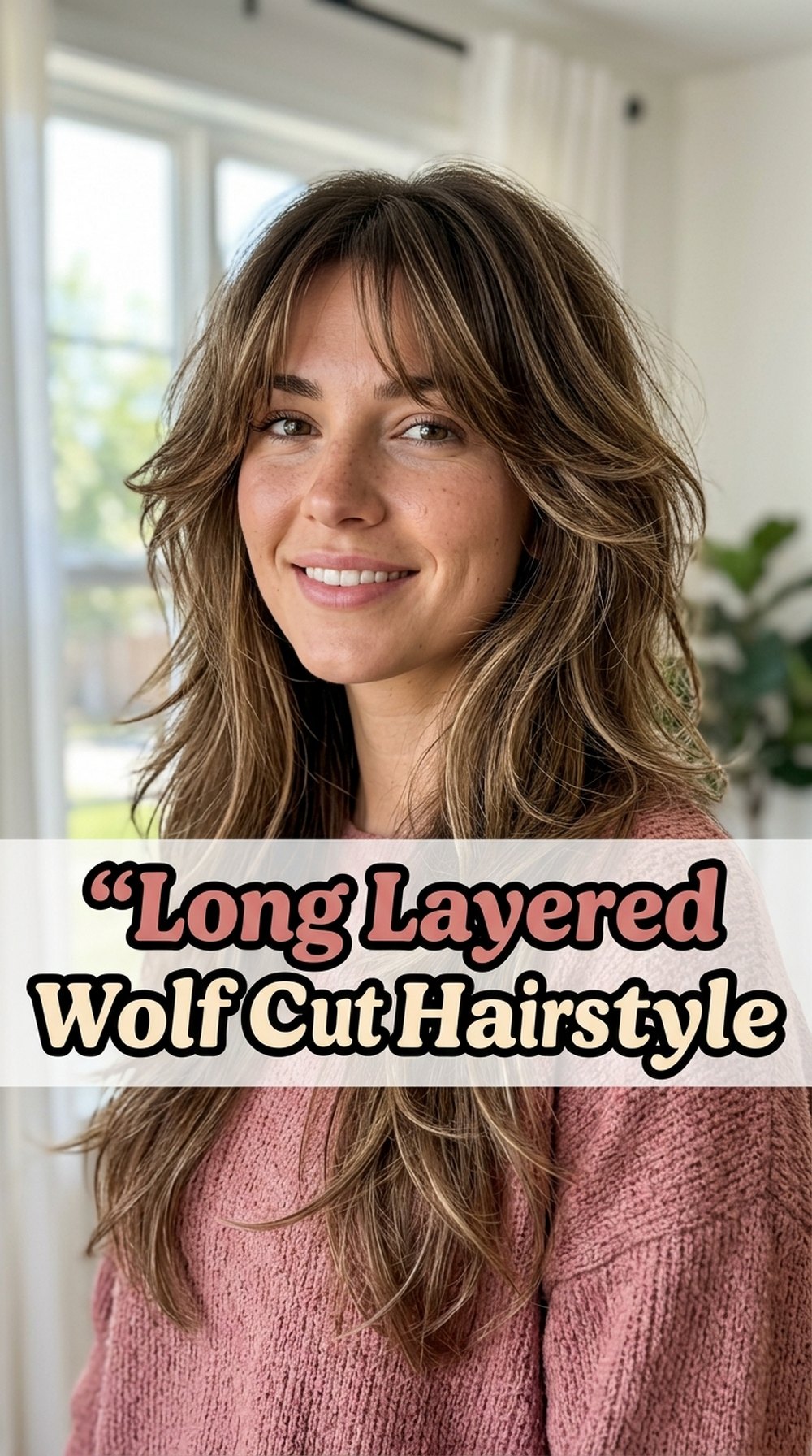
A long layered wolf cut gives movement while keeping plenty of length. The shorter top layers add lift, while the longer ends keep the style balanced and feminine. It is a good choice for thick or wavy hair. Avoid heavy oils near the roots so the crown stays airy.
Short Textured Wolf Cut Hairstyle
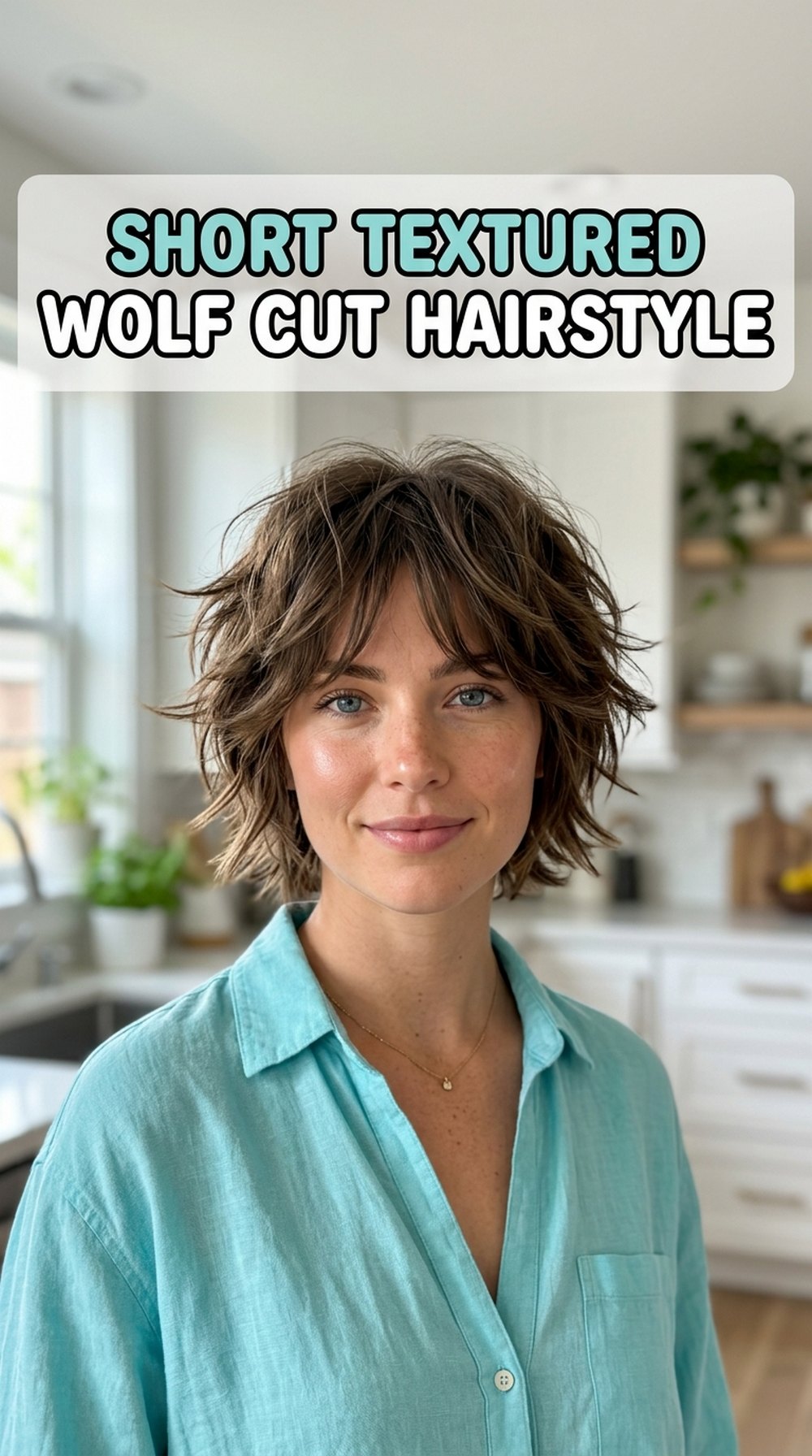
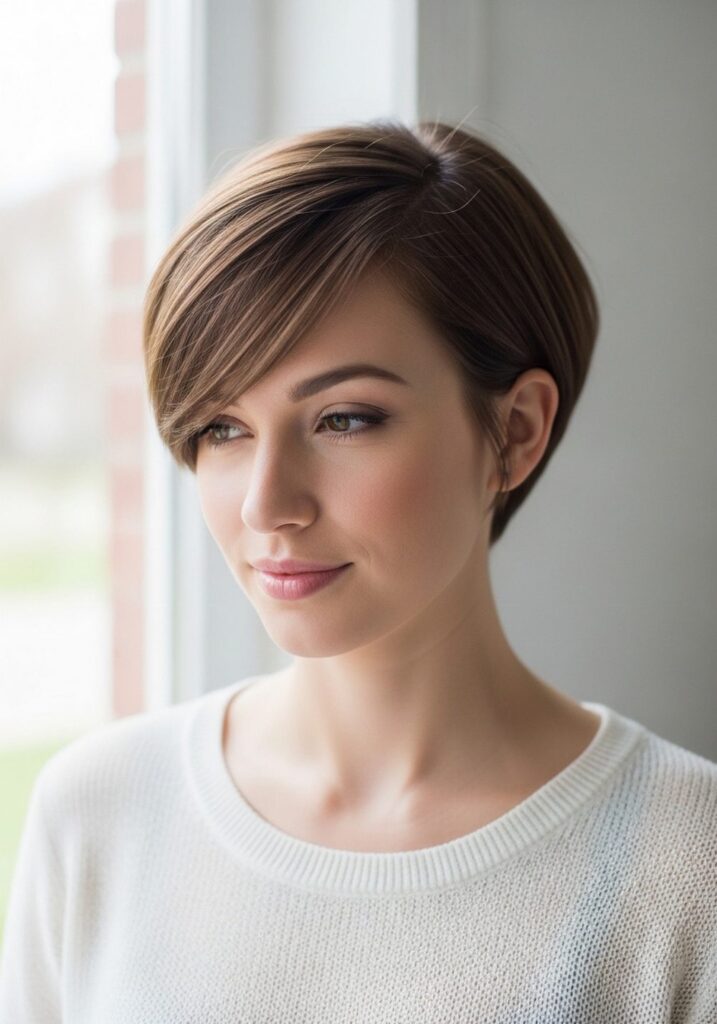
This short textured wolf cut has a bold, easy shape with choppy layers and natural lift. It suits anyone who wants a low-maintenance cut with more personality. The style looks best when the ends are slightly piecey, so use a light texture spray and let the layers fall naturally.
Wavy Wolf Cut Hairstyle
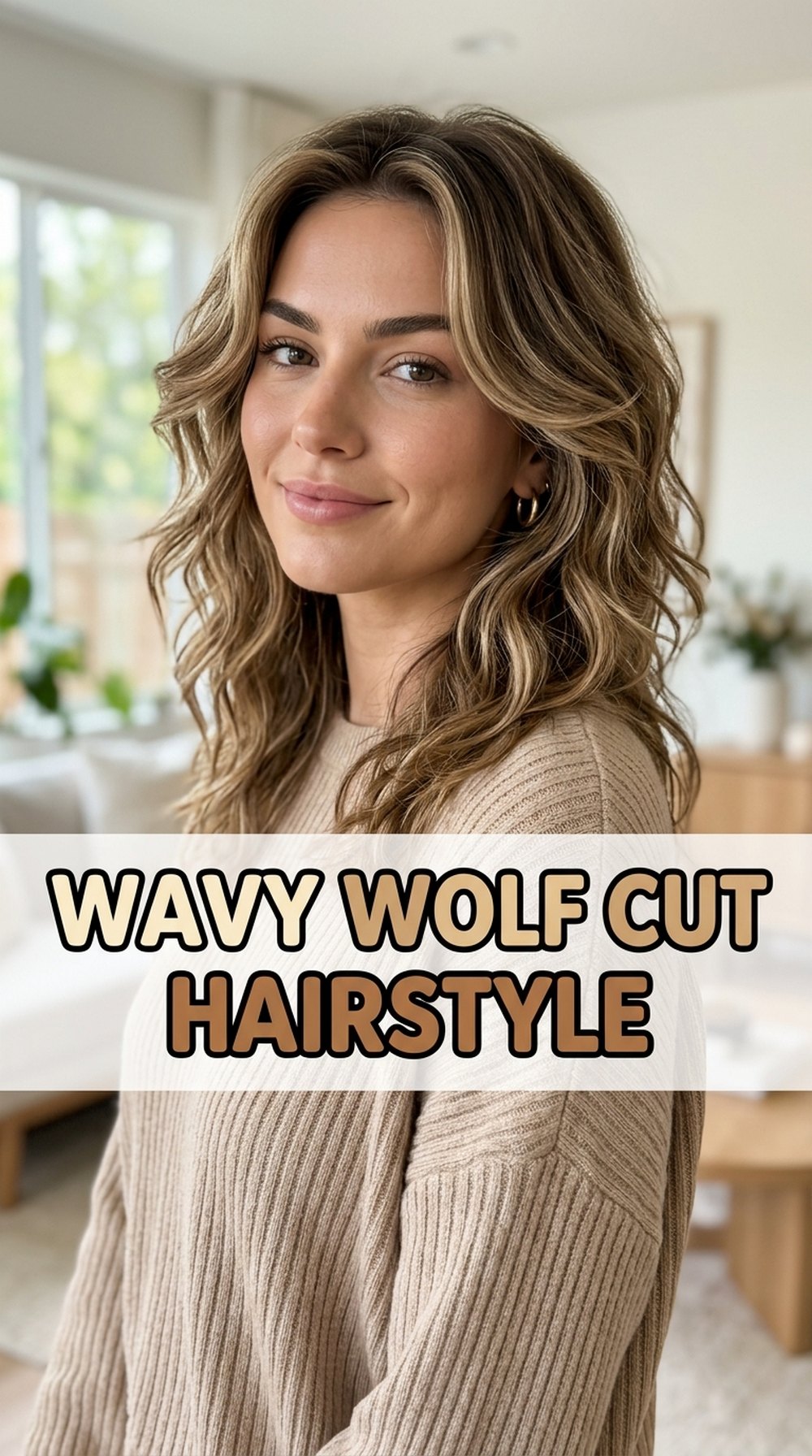
A wavy wolf cut makes natural bends look fuller and more defined. The layers help remove bulk while keeping a relaxed, lived-in shape. It is great for everyday wear because it does not need a perfect finish. Scrunch damp hair gently and let the waves settle without over-brushing.
Curly Wolf Cut Hairstyle
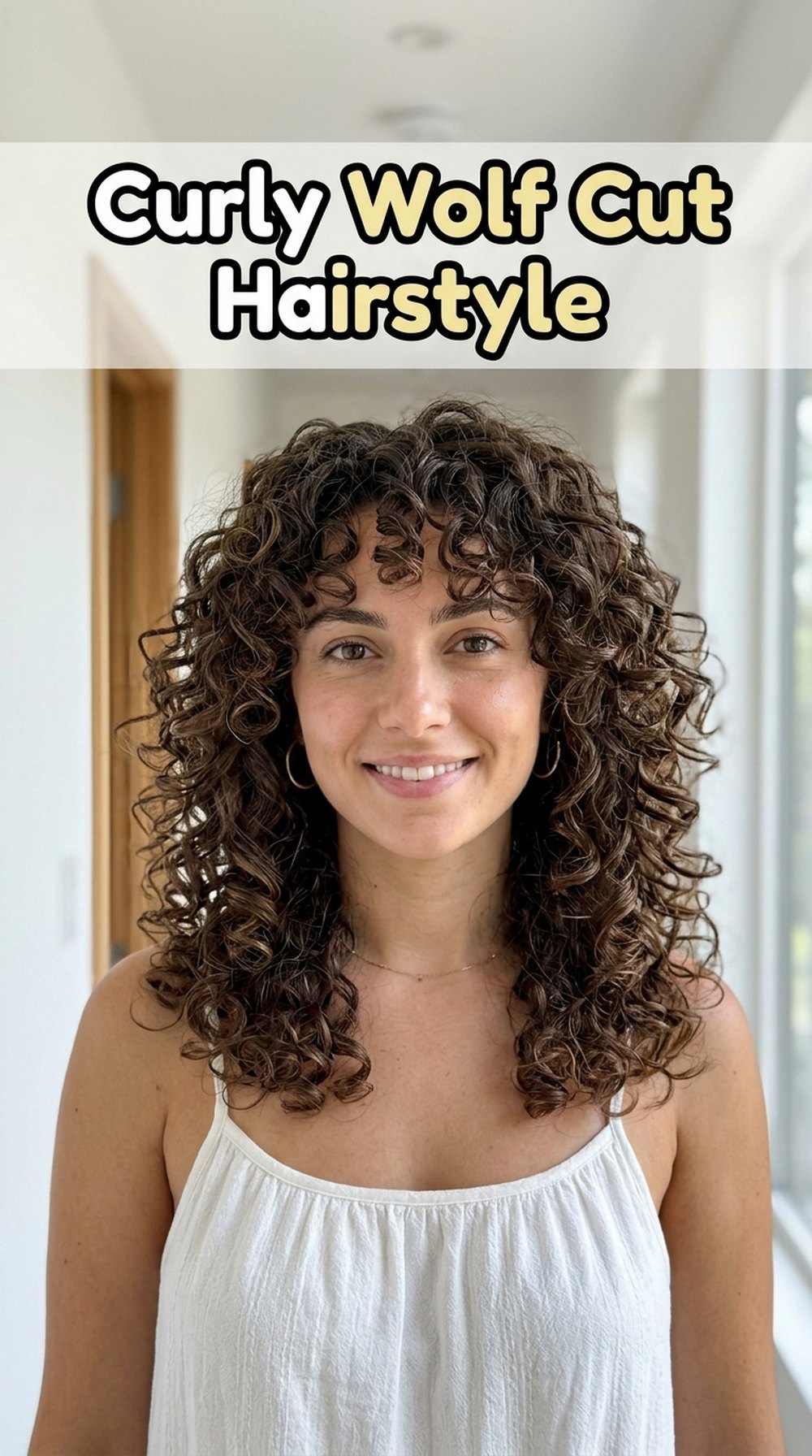
A curly wolf cut adds shape without hiding natural curl volume. The shorter layers around the top help curls spring up, while the lower layers keep the cut balanced. It works best when the curls are hydrated and separated. Use a light curl cream to control frizz without flattening the texture.
Face-Framing Wolf Cut Hairstyle
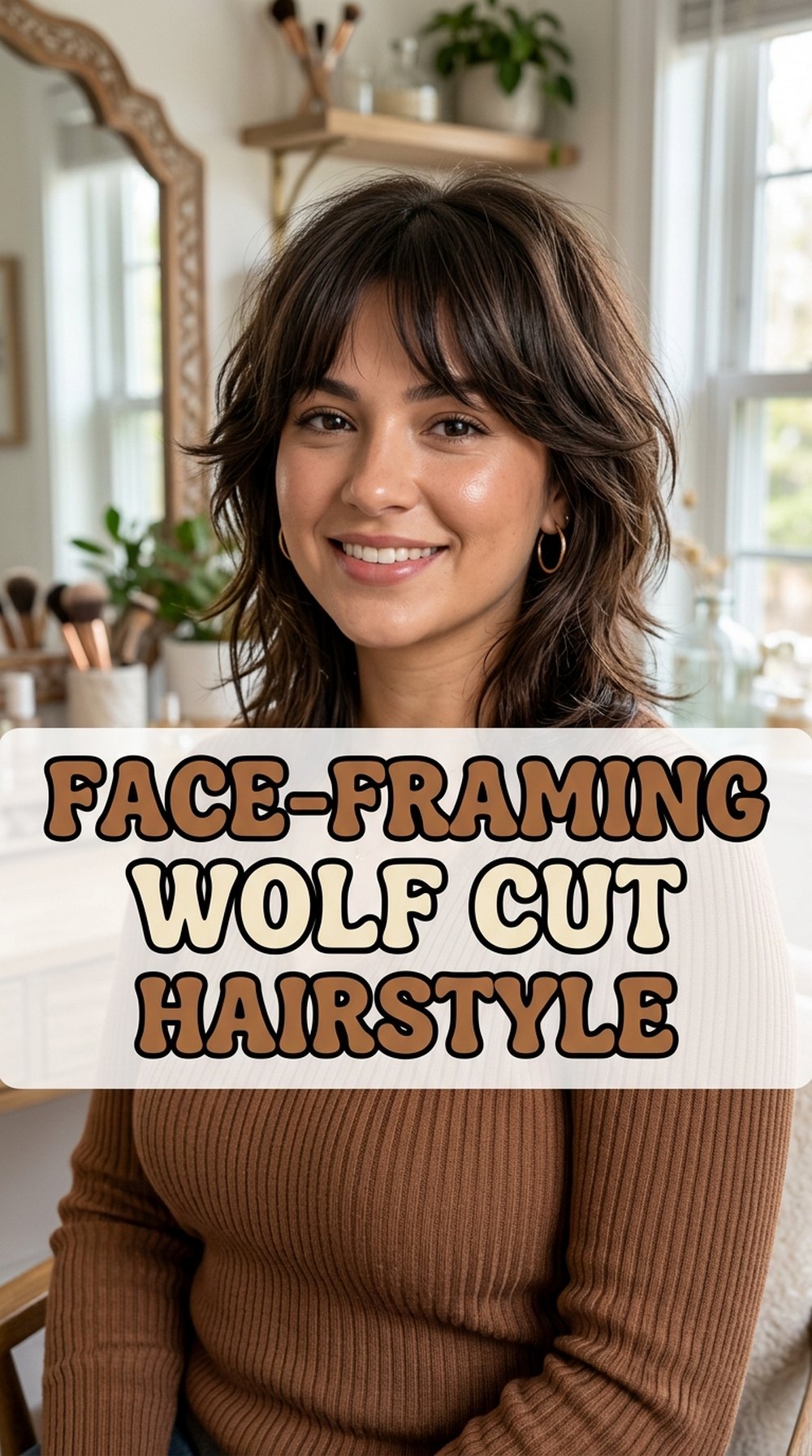
This face-framing wolf cut uses soft layers around the cheeks and jaw to bring attention to the face. It can flatter round, oval, and heart-shaped faces because the layers add gentle structure. Blow-dry the front pieces away from the face for a smooth, open finish.
Wispy Bangs Wolf Cut Hairstyle

Wispy bangs make a wolf cut feel softer and easier to wear. The light fringe blends into the layers, giving the style a neat but relaxed look. This is a helpful option if you want a change without a heavy bang. Keep the bangs airy with minimal product.
Shoulder-Length Wolf Cut Hairstyle
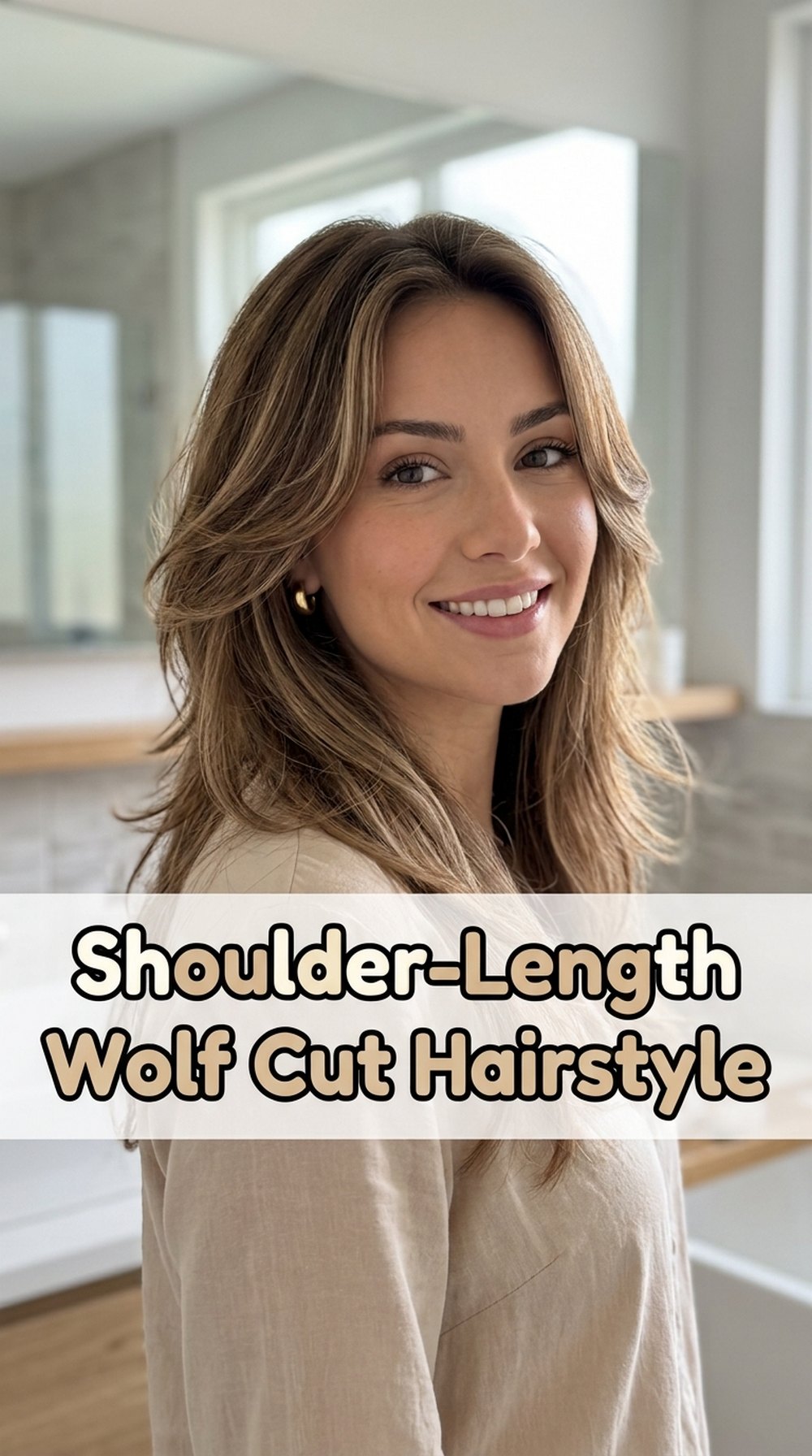
A shoulder-length wolf cut gives a balanced mix of volume, movement, and easy styling. It is long enough to tie back but short enough to show the layered shape clearly. This cut works well on straight, wavy, or slightly curly hair. Add soft bends for extra texture.
Conclusion
Wolf cut layers can be soft, bold, short, long, wavy, or curly, so choose the version that fits your hair type and daily routine. Think about your face shape, how much volume you like, and how much time you want to spend styling before choosing your favorite look.
CTA
Save your favorite wolf cut layer idea and try it at your next haircut.
FAQs
What is a wolf cut hairstyle?
A wolf cut is a layered haircut with volume near the crown and textured ends. It mixes shag and mullet-inspired shaping in a softer way.
Do wolf cut layers work on thin hair?
Yes, lighter wolf cut layers can make thin hair look fuller. Avoid cutting too much from the ends.
Is a wolf cut hard to style?
Most wolf cuts are easy to style with texture spray, mousse, or light cream. The layers are meant to look natural, not perfect.
Can curly hair have a wolf cut?
Yes, curly hair can look great with a wolf cut. The key is shaping the layers so the curls keep bounce and balance.
How often should wolf cut layers be trimmed?
A trim every 6 to 10 weeks helps keep the shape fresh. Longer versions can usually go a little longer between trims.