15 Halo Hair Color Ideas
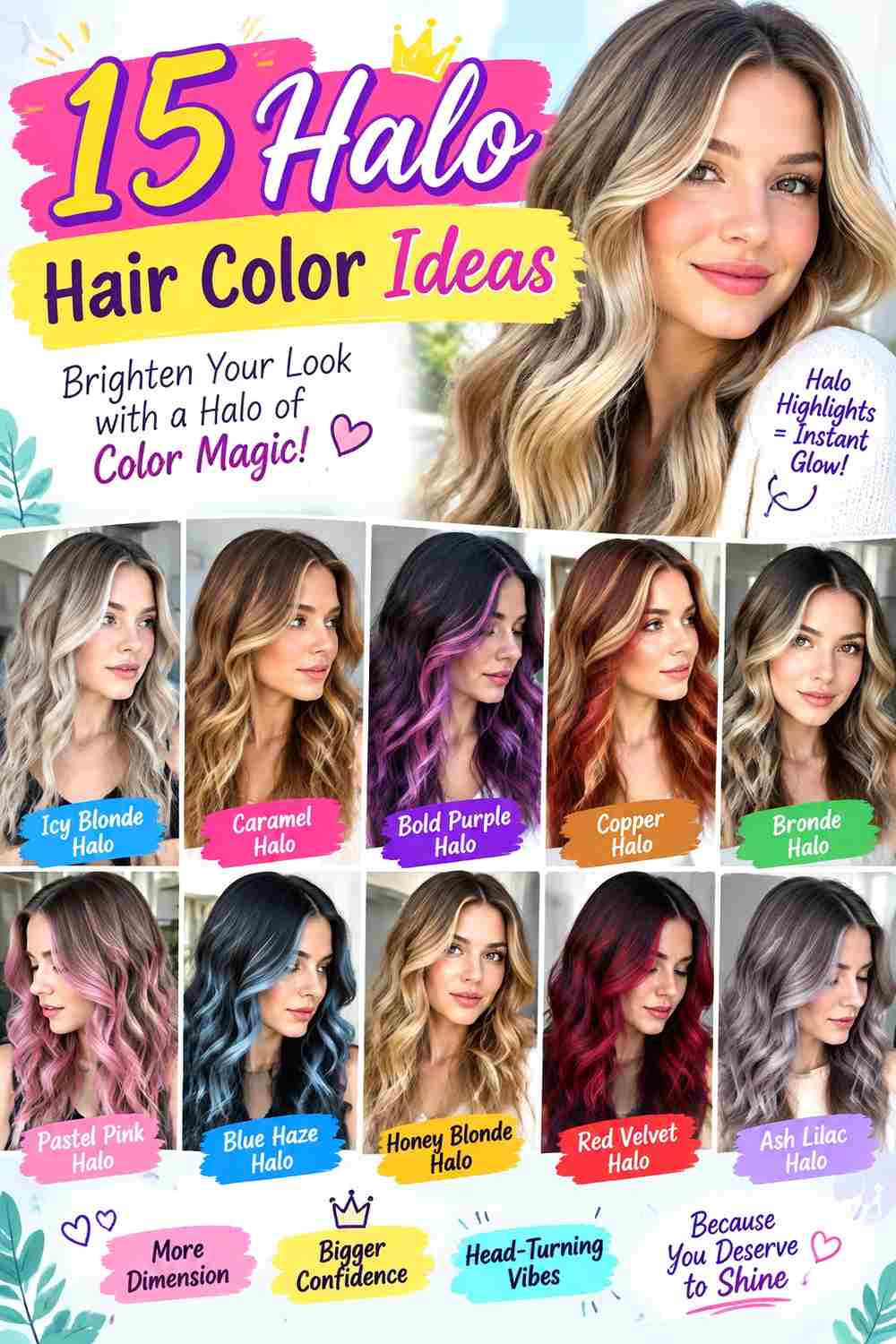
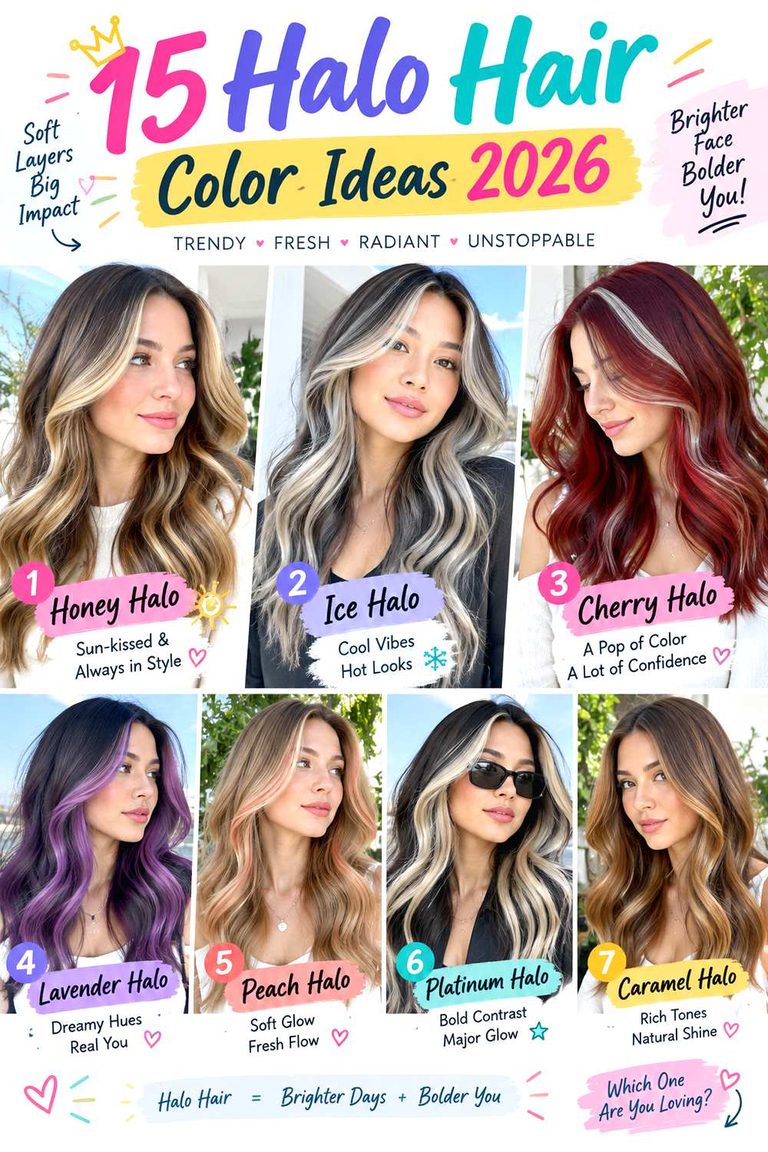
Halo hair color uses strategic contrast around visible areas of the hair to create a framed, illuminated, or layered color effect. Depending on the interpretation, brighter or contrasting sections may sit around the hairline, concentrate near the face, continue around the perimeter, or appear beneath a darker top layer. The placement matters as much as the shade because it determines whether the halo looks subtle when the hair hangs naturally or becomes a strong graphic feature.
Blonde, brunette, copper, red, pastel, and vivid shades can all work within this color family. The starting color affects how much lightening or tonal adjustment may be required, particularly for pale or vivid results. Straight hair can show crisp placement, while waves and curls break the sections into softer ribbons. Density also changes how wide a colored section appears, so placement should be customized rather than copied exactly.
Maintenance depends heavily on contrast and tone. Pale blondes, pastels, and vivid colors can show fading or regrowth more obviously than softly blended natural shades. Styling itself can be simple, but heat protection, gentle cleansing, and appropriate color care help preserve the visible finish. A professional can assess what is realistically achievable from your starting color without relying on a universal formula.
Quick List
- Platinum Blonde Halo Hair Color Hairstyle
- Icy Blonde Face-Framing Halo Hairstyle
- Honey Blonde Halo Hair Color Hairstyle
- Caramel Brunette Halo Hair Color Hairstyle
- Copper Halo Hair Color Hairstyle
- Cherry Red Halo Hair Color Hairstyle
- Rose Gold Halo Hair Color Hairstyle
- Pastel Pink Halo Hair Color Hairstyle
- Lavender Halo Hair Color Hairstyle
- Electric Blue Halo Hair Color Hairstyle
- Emerald Green Halo Hair Color Hairstyle
- Silver Halo Hair Color Hairstyle
- High-Contrast Black And Blonde Halo Hairstyle
- Hidden Underlayer Halo Hair Color Hairstyle
- Soft Natural Halo Highlight Hairstyle
Platinum Blonde Halo Hair Color Hairstyle
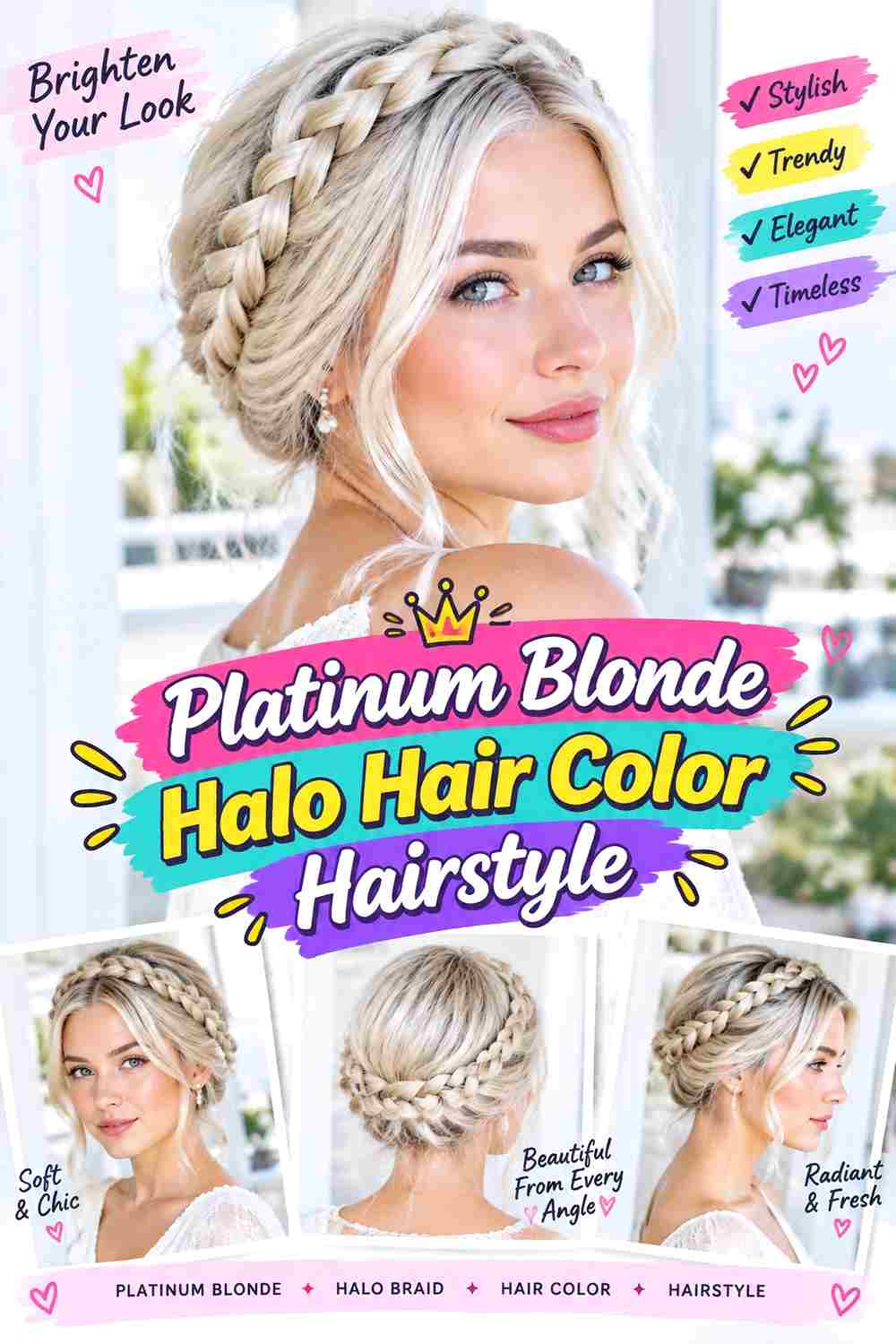
Platinum creates one of the clearest halo effects because pale sections can stand apart strongly from a deeper base. Rather than lightening every strand, the design concentrates brightness around selected visible areas, such as the front hairline and sections that continue toward the sides. On long straight hair the placement reads cleanly, while loose waves break the platinum into moving ribbons. Keeping the haircut relatively simple lets the contrast remain the focus.
The amount of lightening required depends on the starting color and previous color history, so the final platinum level cannot be assumed from a reference image alone. For styling, use a color-safe shampoo to cleanse without unnecessarily stripping the finish, heat protectant before heated tools, and a wide-barrel curling iron when you want loose bends that reveal different sections. A quick styling refresh can be brief; the coloring process and later root maintenance are separate commitments.
At the salon, show exactly how far around the head you want the bright placement to continue and how much darker hair should remain visible above or between it. As roots grow, decide whether you prefer a crisp contrast or a softer transition before scheduling a refresh.
Pro tip:
Change your part in front of a mirror before your color appointment. Notice which hairline sections become exposed, because those areas can affect whether the platinum halo remains visible with your everyday styling.
Make It Work for You:
If full platinum contrast feels too strong, keep the lightest tone near the front and allow a softer blonde transition farther back. The bright framing remains recognizable without requiring identical intensity everywhere.
Watch Out For:
Do not assume every starting color can reach the same pale platinum result in one appointment. Show the desired placement first, then let your colorist assess realistic lightening based on your current hair.
Icy Blonde Face-Framing Halo Hairstyle

An icy face frame concentrates the halo where it has the most immediate visual impact: beside the forehead, temples, and front lengths. Cooler blonde sections can begin close to the roots and extend downward, while the interior and back remain deeper. A center part creates balanced ribbons on both sides, though a natural off-center part can make the placement intentionally asymmetrical.
This arrangement can be useful when you want noticeable contrast without distributing pale color throughout the whole head. Waves expose different sides of the front sections, while straight styling creates a cleaner boundary. Use a color-safe shampoo for routine cleansing, heat protectant whenever heat is used, and a round brush to shape the front pieces away from the face. A morning styling reset may be quick, but maintaining a cool blonde appearance can require more color attention than a warmer, lower-contrast option.
Ask your colorist how wide the face-framing sections should be when viewed with your normal part. Also discuss whether the brightness should begin directly at the root or transition more softly. Regrowth will be most obvious where the light sections start close to the scalp, so placement should reflect how frequently you are comfortable refreshing it.
Pro tip:
Photograph your usual part from the front and both sides before the appointment. This gives a useful reference for where the icy sections need to sit when your hair falls normally.
Make It Work for You:
For a softer result, reduce the width of the icy front sections and blend their edges into a neighboring blonde tone. You retain cool brightness without creating such a broad block of contrast.
Watch Out For:
Very cool reference photos can appear different under indoor lighting. Discuss the visible tone you want in ordinary daylight rather than relying on one filtered or unusually lit image as an exact target.
Honey Blonde Halo Hair Color Hairstyle

Honey blonde gives halo placement a warmer, lower-contrast direction. Golden blonde sections can trace the front and side areas while a deeper blonde or brunette base remains visible through the interior. The effect becomes especially dimensional on medium or long waves because each bend alternately reveals the lighter halo and deeper background.
This is a practical direction for someone who wants visible brightness without the stark separation of platinum. How easily the tone can be achieved still depends on the starting color. Use color-safe shampoo to support the colored finish, heat protectant before creating waves, and a curling iron for broad bends through the mid-lengths. Restyling a few flattened pieces between washes can be relatively quick, whereas a complete wash-and-style routine depends on length and density.
At your color appointment, identify whether you want the honey shade concentrated around the face or continuing farther around the perimeter. Also show how thick you want those visible ribbons to appear. That placement decision affects the result more than simply naming a blonde shade. When regrowth develops, a softly transitioned root can appear less abrupt than a bright section beginning with a hard line at the scalp.
Pro tip:
When styling waves, direct a few front sections away from the face. This exposes both the lighter surface and darker neighboring hair, making the halo placement easier to see without adding more color.
Make It Work for You:
If your base is already blonde, use a smaller tonal difference and let placement create the halo. The design does not require extreme light-versus-dark contrast to remain visible.
Watch Out For:
Avoid judging honey blonde solely by an inspiration image’s warmth. Lighting changes how golden tones appear, so discuss the actual tonal direction and placement you prefer with your colorist.
Caramel Brunette Halo Hair Color Hairstyle

Caramel sections can create a halo that feels integrated with a brunette base rather than sharply separated from it. Place the lighter brown around the face and selected perimeter areas, keeping deeper brunette visible through the crown and interior. On layered hair, caramel pieces can appear and disappear as the lengths move, while a smoother finish produces more obvious ribbons.
This option suits readers who prefer moderate contrast and want the color placement to remain useful through different styles. A color-safe shampoo supports routine care, a heat protectant helps when heated styling is involved, and a round brush can turn the front sections outward to display the caramel. A quick blow-dry refresh around the face requires less effort than resetting every layer after a complete wash.
At the salon, show the desired width and starting point of the caramel sections rather than asking for general highlights. Halo placement should remain concentrated enough to look deliberate. Also discuss whether you want a soft transition near the roots or clearer separation from the brunette. As the color grows, blended placement can make regrowth less abrupt, although the exact maintenance rhythm depends on how much contrast you choose.
Pro tip:
Style the front caramel pieces over darker sections instead of grouping all the lighter hair together. That alternating placement helps reveal dimension, especially when the tonal difference between shades is deliberately subtle.
Make It Work for You:
For dense hair, ask whether several controlled caramel ribbons will show more clearly than one very broad section. The halo can remain visible without turning the entire front area into one lighter block.
Watch Out For:
Do not confuse a halo with evenly scattered highlights throughout the head. If you want this specific effect, point out where the lighter concentration should sit and where brunette should remain dominant.
Copper Halo Hair Color Hairstyle
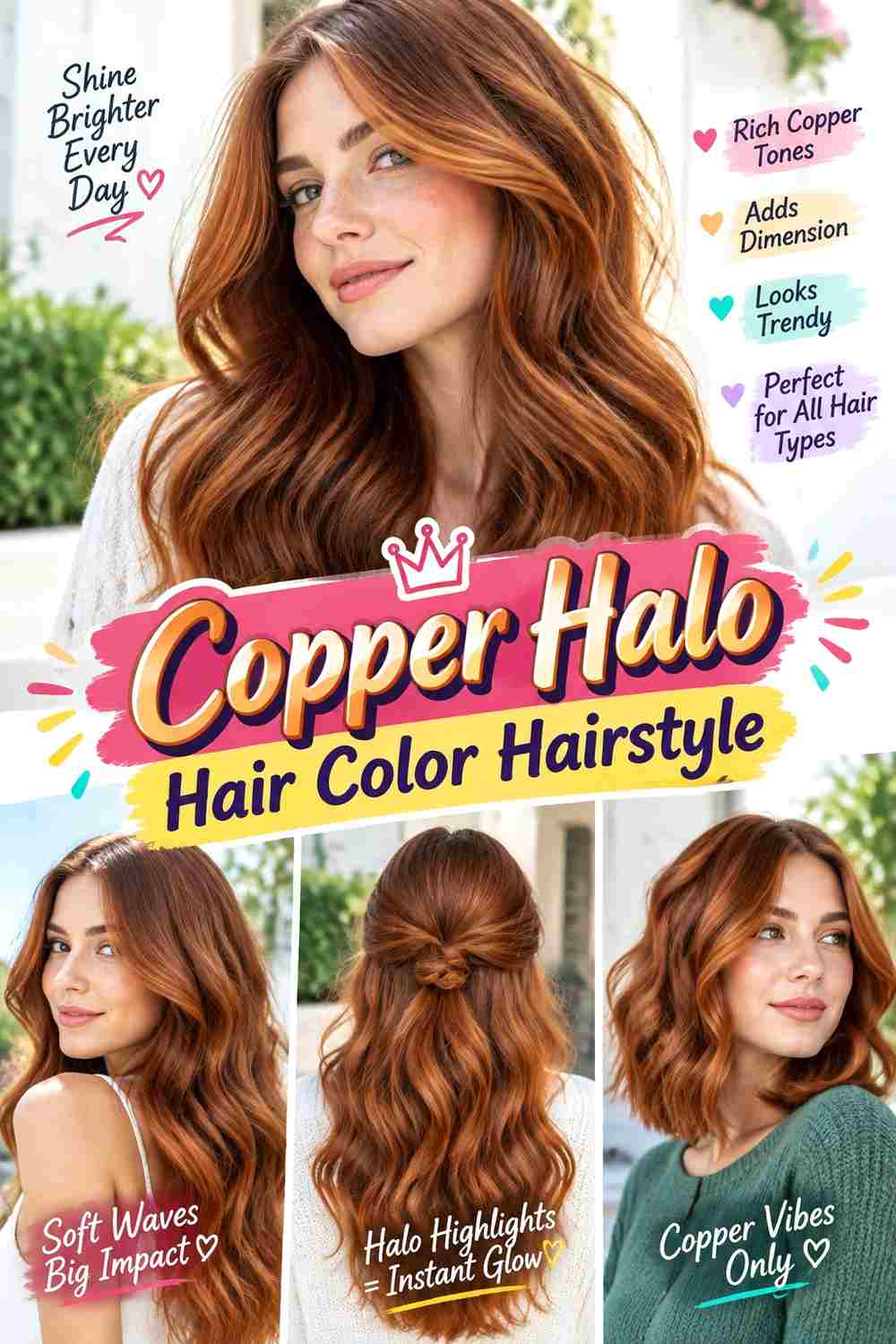
Copper brings warmth and clear tonal separation to a halo without requiring a blonde result. The copper can trace front sections and continue toward the sides while a deeper auburn, brown, or other compatible base remains visible underneath or behind it. Waves emphasize the placement by breaking the warm color into ribbons, while straight hair makes its boundaries more graphic.
The achievable copper depends on the starting color, existing artificial color, and desired brightness. For everyday care, choose color-safe shampoo to reduce unnecessary stripping, heat protectant before hot tools, and a curling iron when you want loose movement that exposes the contrasting sections. A few refreshed waves can be quick between washes, while full styling takes longer according to length and density. Color upkeep is separate because warm tones can change visibly as they fade.
Tell your colorist where the copper halo should be strongest and whether it should surround the entire visible perimeter or stay concentrated near the face. Bring references for tone as well as placement because “copper” covers many visible variations. Regrowth and fading will alter the contrast differently, so discuss which change matters most to you.
Pro tip:
Check your copper reference in more than one lighting condition when possible. Concentrate on whether you prefer a lighter orange-copper impression or a deeper red-copper direction before discussing placement.
Make It Work for You:
If strong copper feels too bright, keep a deeper copper around most of the halo and reserve brighter pieces for the front. The placement stays distinctive while the overall contrast becomes softer.
Watch Out For:
Avoid choosing the color from a heavily filtered image alone. Copper can shift dramatically on screen, so use references to communicate a range and let your colorist assess the starting base.
Cherry Red Halo Hair Color Hairstyle
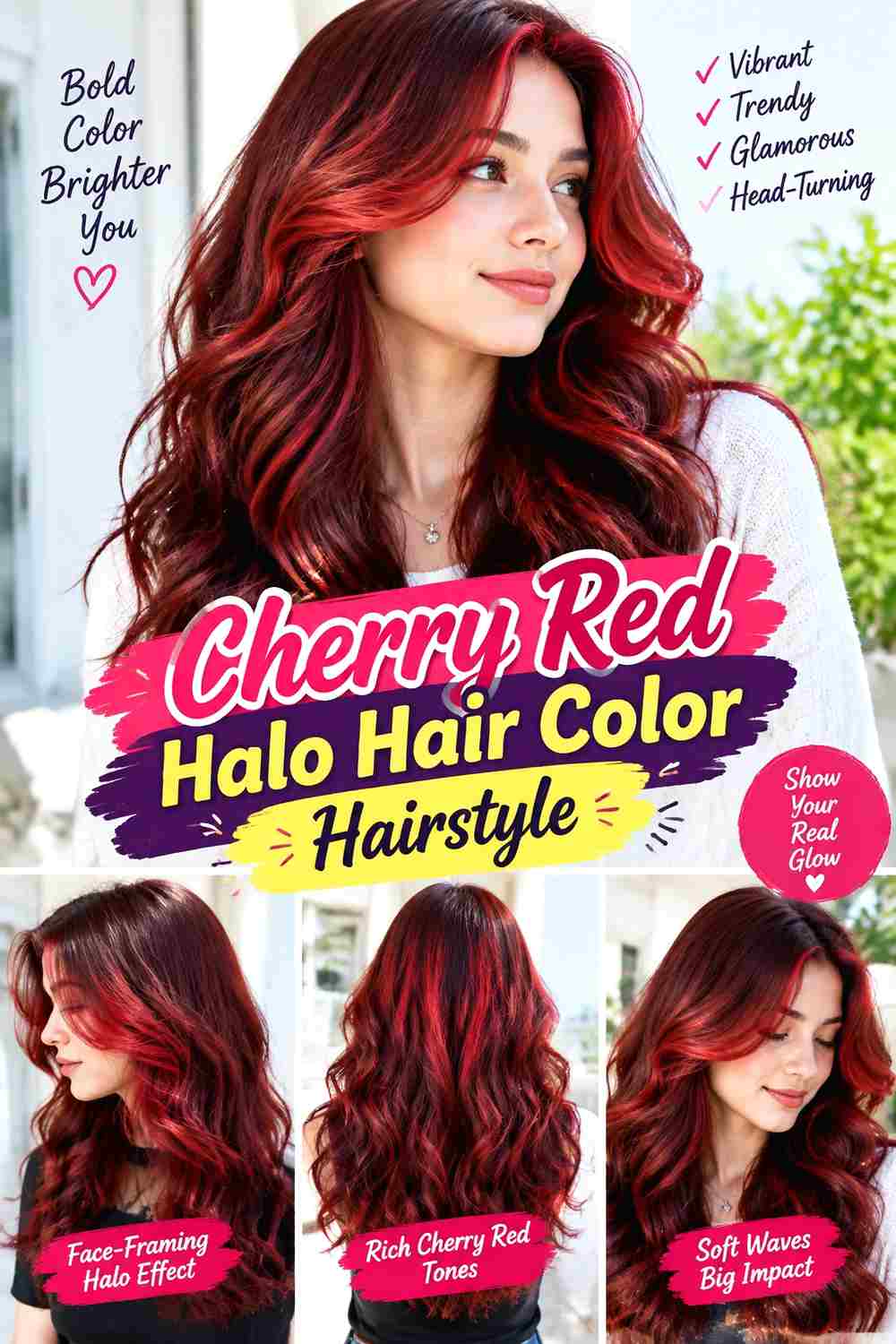
Cherry red creates a pronounced halo when placed against a deeper neutral or dark base. Concentrating red near the front hairline and through selected side sections gives the color a deliberate frame rather than distributing it uniformly. On straight hair, the red can form clean bands; on curls or waves, it appears as smaller flashes that change with movement.
A vivid red direction generally asks for more color maintenance than subtle brunette contrast because fading can change its appearance noticeably. Use a color-safe shampoo for cleansing, heat protectant before heated styling, and flexible hairspray if you want movement to hold without coating the colored sections heavily. A quick dry-hair refresh can be short, while washing, drying, and rebuilding a polished wave pattern takes longer.
At the salon, identify both the halo width and the depth of red you want visible. The result depends on the starting color and may require different preparation, so avoid treating one reference as a guaranteed formula. As the roots become visible, decide whether you want the separation kept crisp or whether a softer transition would better suit your maintenance routine.
Pro tip:
Wear your hair in two or three common styles before the appointment and note which sections remain exposed. Use those observations to decide whether the red halo should continue behind the ears.
Make It Work for You:
For a quieter version, choose narrower cherry sections around the face and let the deeper base dominate. You still get flashes of saturated red when the hair moves without covering such a large area.
Watch Out For:
Do not assume vivid red will fade invisibly. Ask how your chosen color may change between appointments and plan maintenance around the appearance you are comfortable wearing during that transition.
Rose Gold Halo Hair Color Hairstyle

Rose gold combines a light base with a pink-leaning warm finish, making the halo softer than a strongly saturated red or pink. The colored area can frame the hairline and travel through the sides, while blonde, light brown, or another compatible base provides contrast. Loose bends are particularly useful because they reveal the pink-gold sections from several angles.
The exact result depends heavily on the starting level and how light the hair can reasonably become. A color-safe shampoo helps limit unnecessary color loss, heat protectant belongs in any heated routine, and a large curling iron can create broad bends that display the placement. Restyling two or three front sections may take only a short time; creating the complete finish from freshly washed hair is a larger job.
At the salon, separate two decisions: where the halo should sit and how pink versus golden you want it to appear. Bring references that show both. Pastel-leaning tones can visibly change as they wash out, so discuss what the fading stage may look like and whether you are comfortable refreshing the tone while allowing the underlying placement to grow.
Pro tip:
Compare your references by looking specifically at the lightest strands. This helps separate a true pale rose-gold direction from deeper pink or copper examples that may look similar under warm lighting.
Make It Work for You:
If you prefer less frequent tonal refreshing, discuss a slightly deeper rose-gold direction rather than the palest possible version. Keep the halo placement clear so the design remains readable as the tone changes.
Watch Out For:
Do not choose a very pale rose gold without discussing the required starting lightness. The inspiration shade may depend on substantial lightening that is not appropriate or achievable for every starting point.
Pastel Pink Halo Hair Color Hairstyle
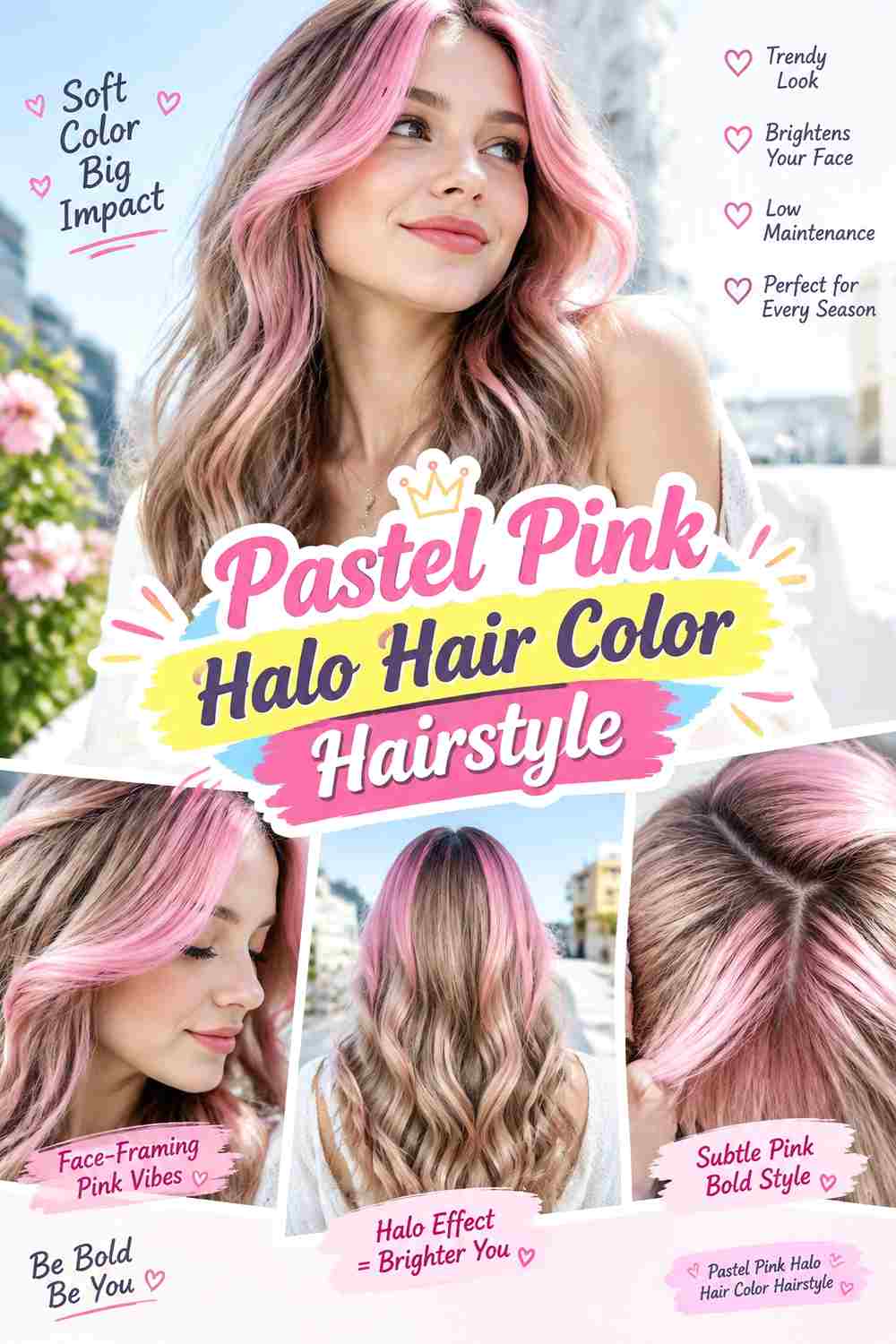
Pastel pink turns the halo into a soft fashion-color frame. Pale pink sections can sit around the front and side perimeter while blonde or a deeper contrasting shade remains through the rest of the hair. A smooth style displays the placement clearly, whereas waves mix the pink into neighboring sections and create a less graphic result.
Pale fashion shades usually depend on a sufficiently light underlying base, and the preparation needed varies significantly with previous color and starting depth. Use color-safe shampoo for gentle cleansing, heat protectant before hot styling, and a round brush when you want the front pieces to curve away and reveal the pink. Daily styling can be straightforward once the haircut is dry, but maintaining a pastel tone may require more attention than maintaining a natural-looking halo.
At your appointment, specify how much pink should remain visible when the hair hangs normally. A narrow perimeter produces flashes; a wider section produces a stronger frame. Also discuss what the pink may look like as it fades. Placement can remain attractive even while the tone changes, but that depends on whether you enjoy the intermediate stages.
Pro tip:
Before choosing the section width, tuck your hair behind both ears and then wear it loose. Notice how much perimeter becomes visible in each position and use that to guide the halo placement.
Make It Work for You:
If all-over pastel maintenance feels demanding, keep pink concentrated in narrower front and side sections. The smaller colored area preserves the halo concept while limiting how much fashion color dominates the overall design.
Watch Out For:
Avoid assuming pastel pink can simply be placed over any dark starting color. The visible result depends on the underlying base, so let your colorist assess what preparation is realistically appropriate.
Lavender Halo Hair Color Hairstyle

Lavender gives halo placement a cool, muted fashion-color direction. The color can surround the face in narrow ribbons or continue around the perimeter beneath a contrasting top section. Against a pale base, the result can look subtle; beside deeper hair, the same placement becomes much more obvious. Straight lengths emphasize the boundary, while waves blend lavender through movement.
The starting level strongly influences how a light lavender reads, and previously colored hair may respond differently from untreated hair. A color-safe shampoo supports gentle cleansing, heat protectant helps during heated styling, and a curling iron can form broad waves that reveal the halo. Refreshing several front bends is a short styling task; rebuilding an entire wavy finish after washing takes longer and varies with density and length.
At the salon, identify whether you prefer a blue-leaning or pink-leaning lavender impression and show exactly where the halo should begin. These are separate decisions. Fashion tones can shift as they fade, so ask what kind of maintenance your desired depth may involve. If lower upkeep matters, consider placement that still looks deliberate when some regrowth becomes visible.
Pro tip:
Look at lavender references beside neutral white or gray areas on the screen. That comparison can make blue-versus-pink undertones easier to notice before you discuss the target direction with your colorist.
Make It Work for You:
If you want lavender without a broad visible frame, place narrower sections around the perimeter and let your main color cover portions of them. Movement will reveal the shade selectively.
Watch Out For:
Do not treat every pale purple reference as the same lavender. Lighting, starting level, and fading alter the visible result, so communicate several examples that share the tonal direction you actually like.
Electric Blue Halo Hair Color Hairstyle

Electric blue makes the placement itself impossible to overlook. A saturated blue band can frame the face and sides against a darker or contrasting base, producing strong separation when the hair is straight. On layered or wavy hair, the same sections break into flashes, allowing the blue to appear more or less prominent as the hair moves.
Vivid blue is best approached as both a placement and maintenance decision. The achievable shade depends on the starting base and preparation, while fading may alter its intensity over time. Use color-safe shampoo for routine cleansing, heat protectant when styling with heat, and a flat iron if you want a smooth finish that displays the color boundary clearly. Small dry-hair corrections can be quick; fully smoothing long or textured hair after washing can require much more effort.
Show your colorist the exact width and route of the blue halo, including whether it continues around the back. Also discuss how much natural or base color you want visible above it. This prevents a perimeter concept from accidentally becoming a much broader color block. Plan future refreshes around both tonal fading and visible root growth.
Pro tip:
Test your preferred part, ponytail, and half-up placement before deciding where blue should sit. Different styles expose different perimeter sections, so this simple check helps make the placement more intentional.
Make It Work for You:
For a less dominant result, use electric blue in narrower halo sections beneath the top layer. The color can flash through movement while remaining partly concealed when the hair falls naturally.
Watch Out For:
Do not select saturated blue without discussing how it may fade on your particular starting base. The intermediate tone matters if you plan to leave longer gaps between color-refresh appointments.
Emerald Green Halo Hair Color Hairstyle
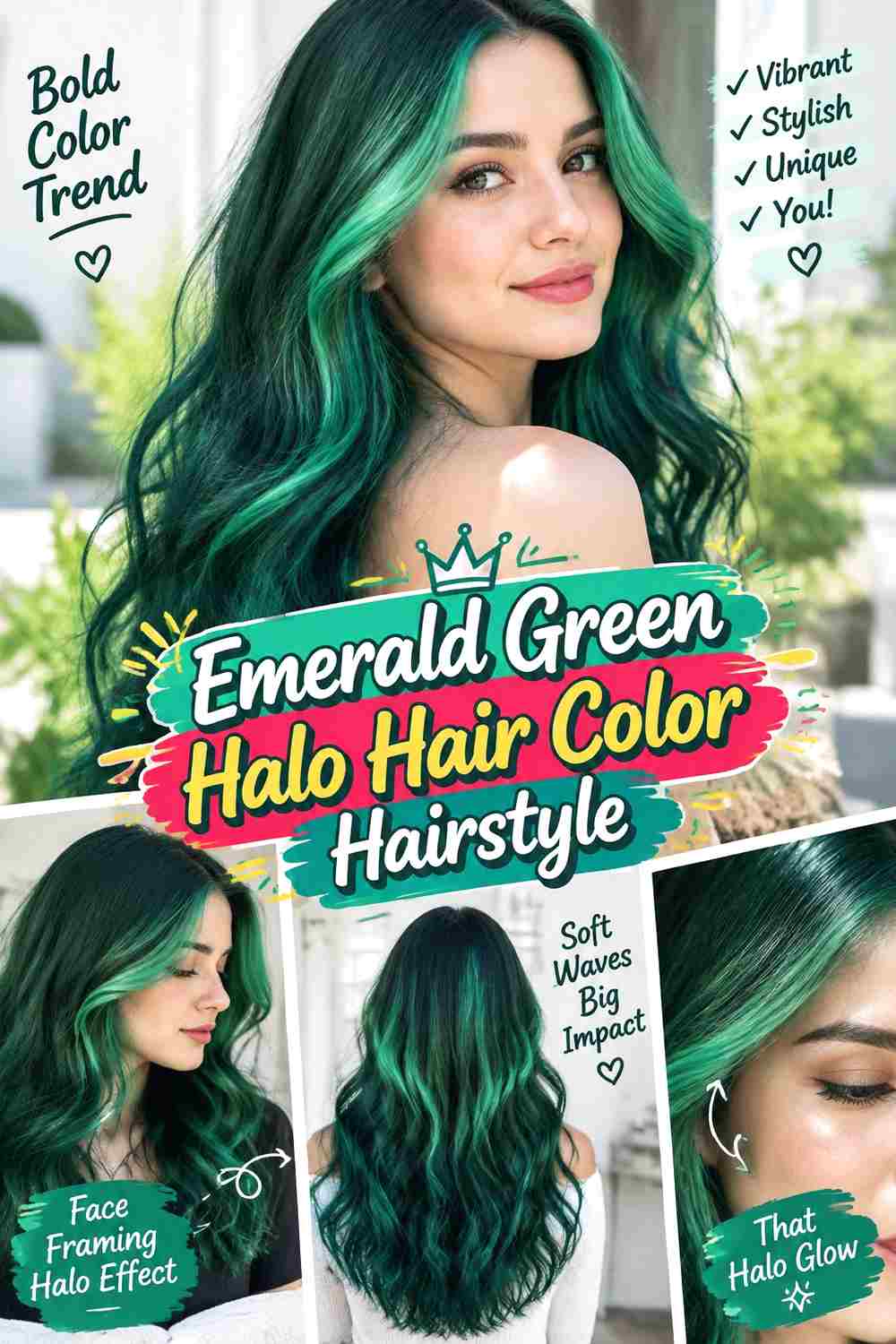
Emerald green offers a deep vivid option that can sit boldly beside dark hair or create clearer contrast against a lighter base. Concentrate the green through front sections and continue it around selected perimeter areas for a halo effect. With curls, the color appears in scattered arcs; on straight hair, the same placement forms broader, more continuous bands.
Because vivid green results depend on the underlying color, your starting point and existing artificial pigment matter. Use color-safe shampoo to reduce unnecessary stripping, a lightweight leave-in conditioner to support manageable lengths, and heat protectant if you use heated tools. Air-dried natural texture may need only a quick arrangement before going out, while a completely heat-shaped finish takes longer. Color refreshing remains a separate maintenance task regardless of styling effort.
At the salon, explain whether you want emerald visible from the front at all times or partly hidden under your main color. Specify how far the section should extend behind the ears. Also ask how the proposed shade may change between visits, since vivid colors can evolve noticeably as they fade. Placement that remains deliberate through those changes can make grow-out easier to manage.
Pro tip:
If you usually wear curls or waves, bring a reference showing halo placement on similar movement. A color band that looks continuous on straight hair can separate into smaller visible pieces once texture returns.
Make It Work for You:
For dense hair, a partially hidden emerald perimeter can create plenty of visible color without covering every surface section. Adjust the width according to how much green you want exposed during normal movement.
Watch Out For:
Avoid choosing section width only while the hair is pulled forward. Check the back and sides too, because a halo that continues around the perimeter changes appearance from every viewing angle.
Silver Halo Hair Color Hairstyle

Silver creates a cool halo with a metallic-looking contrast when placed beside deeper hair. Pale gray-silver sections around the face can continue through the sides or sit underneath a darker top layer, depending on how visible you want the effect. A sleek finish makes the separation precise, while loose waves mix the cool sections into the base for softer dimension.
Reaching a pale silver appearance can depend on achieving an appropriate underlying lightness first, so starting color and previous treatments are important considerations. Use color-safe shampoo for regular cleansing, heat protectant before hot tools, and a round brush for smooth front movement. A small front refresh may be quick, but creating an all-over polished finish from a different natural texture can require considerably more styling time.
At the salon, bring references showing the silver depth as well as its placement. Decide whether the root transition should look sharp or softened and how wide the halo should appear near the temples. Cool pale tones can visibly shift between appointments, so discuss tonal upkeep separately from root maintenance. Those two needs may not always occur at the same time.
Pro tip:
Check silver inspiration photos in daylight whenever possible. Artificial lighting can push pale gray toward blue, violet, or beige, making it harder to communicate the neutral or cool direction you actually prefer.
Make It Work for You:
If very pale silver would require more lightening than you want, discuss a deeper smoky gray halo. Keeping the same strategic placement can preserve the concept with a different level of contrast.
Watch Out For:
Do not assume silver is simply blonde with gray added. The visible outcome depends strongly on the underlying base, so your colorist needs to assess what preparation is appropriate before promising a tone.
High-Contrast Black And Blonde Halo Hairstyle
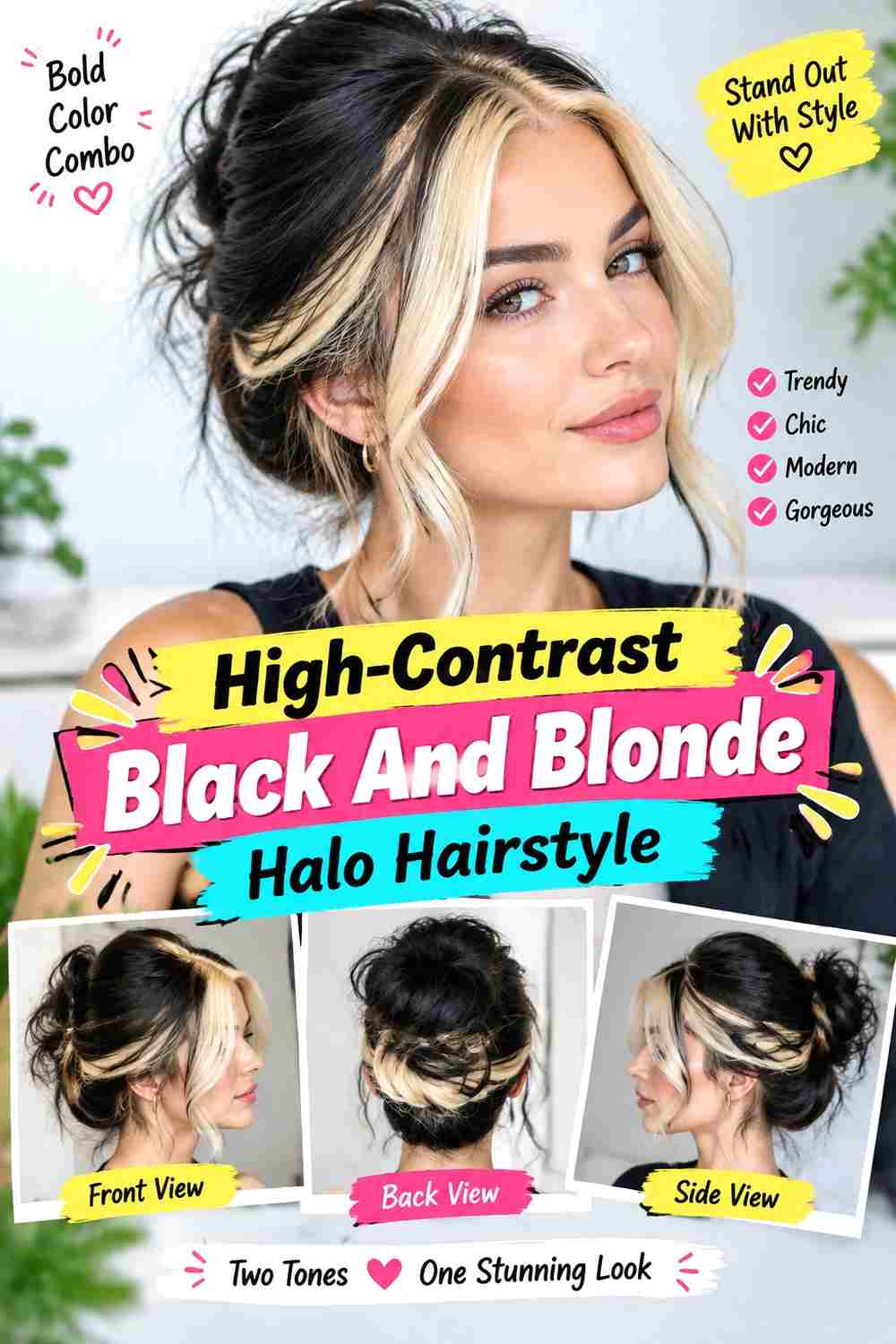
Black and blonde create the most graphic contrast in this collection. A pale halo can run around the face and perimeter while a deep top or interior section remains clearly separate. The arrangement looks especially defined on straight, medium-to-long hair, although waves can fragment the two colors into alternating ribbons for a less rigid finish.
This design suits someone comfortable with obvious contrast and equally obvious regrowth. Achieving both extremes depends on the starting color and existing treatments, particularly where significant lightening is involved. Use color-safe shampoo to support the finish, heat protectant before heated styling, and a flat iron if you want the cleanest separation between sections. A few smoothing corrections can be quick, whereas fully straightening long or textured hair requires more time.
At the salon, show precisely which areas should be blonde and which should remain deep. Section width is critical because a small change can substantially alter the visual balance. Also discuss whether the colors should meet with a crisp boundary or some transition. Maintenance needs can differ between the pale and dark areas, so plan for the complete two-tone design rather than treating it as ordinary highlights.
Pro tip:
Save references from the front, side, and back when possible. High contrast makes section placement easy to notice, so a single front-facing picture may not explain how you want the halo to continue.
Make It Work for You:
If maximum contrast feels too severe, keep the dark base but choose a deeper blonde halo rather than the palest option. The two-tone placement remains obvious while the difference becomes less stark.
Watch Out For:
Avoid making major light-to-dark changes repeatedly without professional assessment. Show your current color history and desired placement so the colorist can determine what is realistically appropriate for each section.
Hidden Underlayer Halo Hair Color Hairstyle
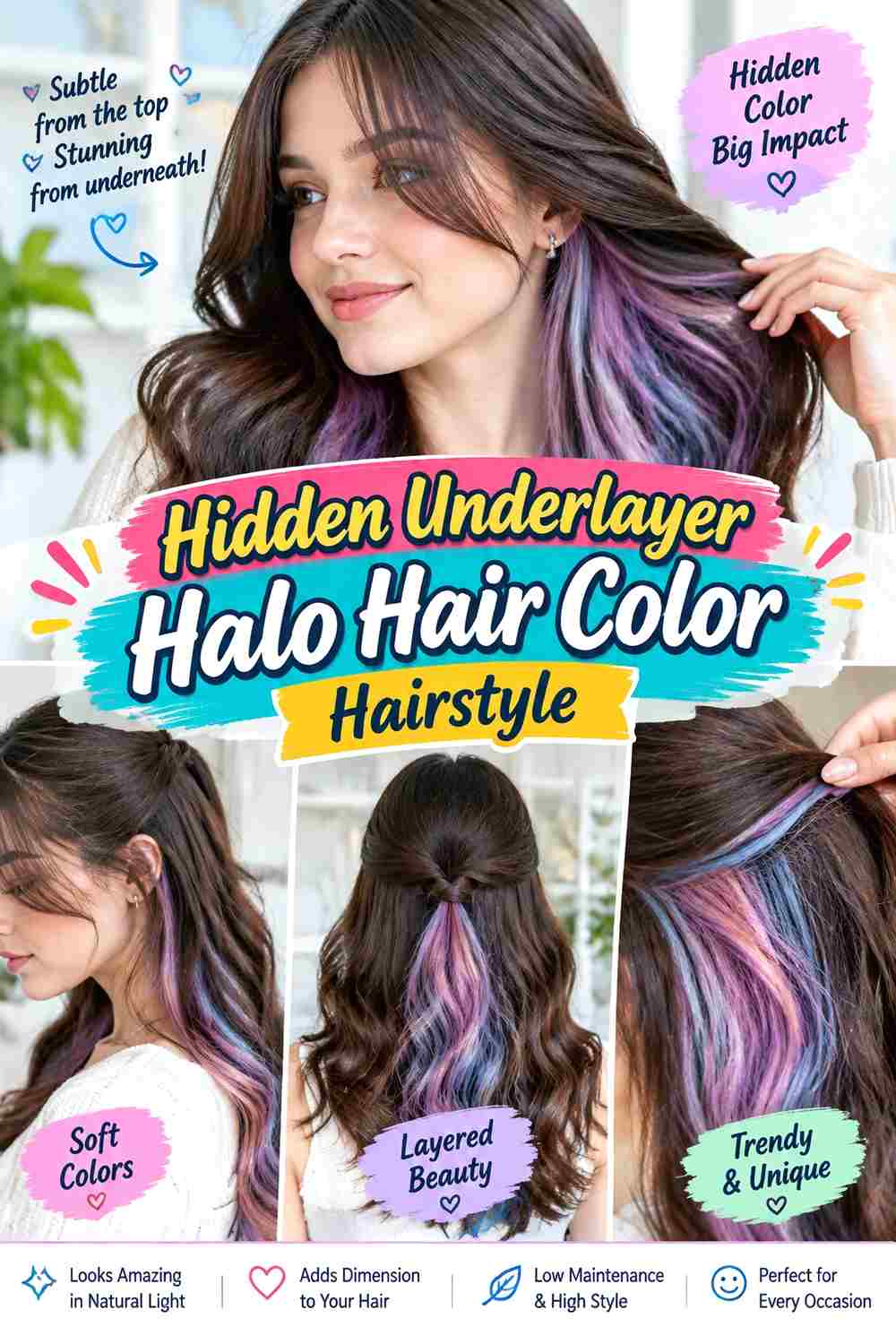
A hidden halo places contrasting color beneath the surface instead of displaying the entire band continuously. With the hair down, the top layer covers portions of the color; movement, tucking, braiding, or half-up styling exposes it. The contrasting shade can follow the lower perimeter and sides, creating flashes rather than a constant face frame.
This approach works across many lengths, though enough surface hair is needed if partial concealment is the goal. Straight hair reveals clean slices when moved, while waves and curls naturally mix the underlayer into the top. Use color-safe shampoo for gentle cleansing, heat protectant before heat styling, and a curling iron when you want bends that expose the hidden sections. Styling a few reveal pieces can be quick; setting the whole head takes longer.
Tell your colorist exactly how much color you want visible when the hair hangs naturally. That determines how high the underlayer should sit and how broad it should be. Also choose the shade based on your starting color and maintenance preference. Regrowth can be less immediately visible when it remains covered, but fading still changes the exposed sections over time.
Pro tip:
Bring a hair tie to your consultation and demonstrate your usual half-up or ponytail position. The colorist can then see which hidden sections become exposed when you actually wear those styles.
Make It Work for You:
If you want the halo visible more often, extend selected underlayer pieces closer to the temples. Keep the crown coverage intact so the design still changes noticeably between loose and pulled-back styling.
Watch Out For:
Do not place the color too low if you expect it to frame your face while the hair is loose. Show the exact visibility you want rather than relying on “hidden halo” alone.
Soft Natural Halo Highlight Hairstyle
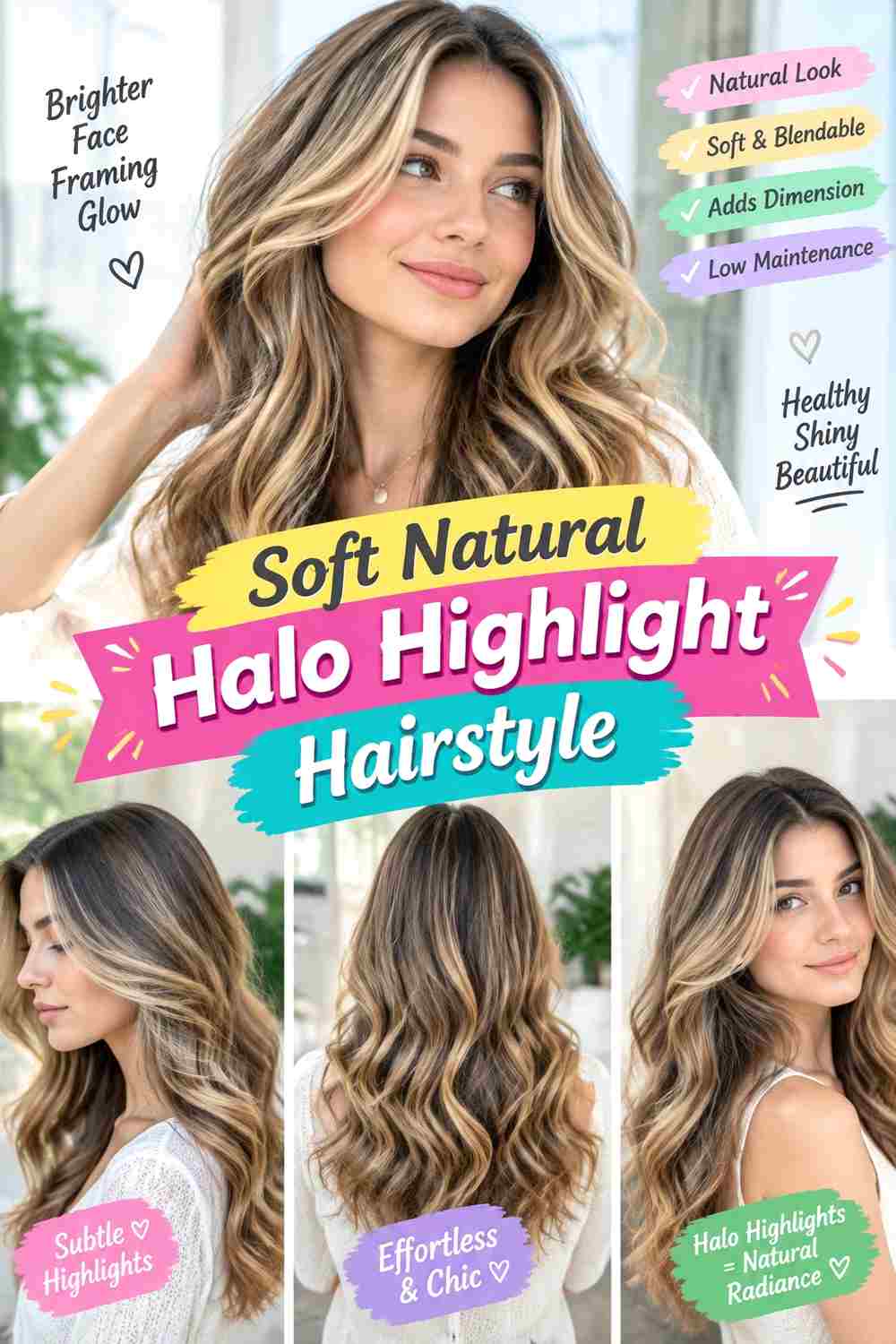
A natural-looking halo uses restrained tonal contrast and strategic brightness rather than a dramatic fashion shade. Slightly lighter sections can concentrate around the hairline, temples, and perimeter while remaining close enough to the base color to blend softly. Loose waves help the highlights mingle with deeper strands, but straight styling can still reveal the brighter frame.
This is useful for readers who like the placement concept but prefer less obvious separation. The achievable brightness and tone depend on the starting base, so references should communicate both. Use color-safe shampoo for routine cleansing, heat protectant before heated styling, and a round brush to direct the front sections away from the face. A front-only refresh can be short, while a full blow-dry naturally takes longer according to texture, length, and density.
At the salon, identify the areas where you want brightness concentrated and where you want the natural base to remain dominant. Ask for a placement conversation rather than simply requesting highlights everywhere. A softer root transition may make growth less visually abrupt, although maintenance still depends on how light the halo becomes and how much contrast you choose.
Pro tip:
Look at your saved references in grayscale as well as color. If the halo still appears dramatically lighter, the contrast may be stronger than the subtle result you actually intend to request.
Make It Work for You:
For fine or lower-density hair, keep the brighter sections narrow and strategically placed instead of creating one broad band. The tonal variation can remain visible without making the perimeter appear overly divided.
Watch Out For:
Scattering light pieces evenly through the entire head can dilute the halo effect. Keep the brighter concentration intentional around the selected perimeter while allowing the base color to remain clearly present.
Conclusion
Halo hair color can range from subtle caramel and natural highlights to platinum, red, blue, green, or pastel contrast. The key difference is not simply the shade but where the brighter or contrasting color sits, how wide the sections are, and how much remains visible through your usual part and styling.
Straight finishes emphasize clean placement, while waves and curls divide the halo into moving ribbons. Pale and vivid colors can require more tonal maintenance, whereas closer-to-base shades may produce softer grow-out. Density, natural texture, starting color, and previous color history also affect what is practical. Choose the contrast and placement you genuinely want to maintain, then let a colorist assess the safest realistic route from your current starting point.
Before Your Salon Visit
Choose one or two favorites and save references showing the front, sides, and back whenever possible. Discuss your starting color, previous color history, texture, density, usual part, preferred length, maintenance tolerance, and normal styling routine. Point to the exact halo width, face-framing placement, root transition, contrast level, and visible tone you like. If you want the color hidden when loose but noticeable in an updo, demonstrate that too. A clear placement conversation is more useful than relying on the shade name alone.
FAQs
Does halo hair color work on dark hair?
Yes, but the achievable contrast depends on the chosen shade and starting color. Caramel, copper, red, and some deeper vivid tones create different demands from platinum or pastel colors. A professional should assess existing artificial color and the preparation required before determining a realistic route to the desired result.
Is halo hair color high maintenance?
It can be, particularly when the halo is very pale, vivid, or sharply contrasted with the base. Softer natural tones and blended root transitions may make growth less obvious. Maintenance also includes tonal fading, which is separate from regrowth and can occur at a different pace.
Will halo color show on curly or wavy hair?
Yes. Texture changes how the placement appears rather than automatically hiding it. Straight hair can display a continuous band, while waves and curls divide the same color into ribbons or smaller flashes. Plan section width while considering how you normally wear your natural texture.
What should I ask for when getting halo hair color?
Show references and identify the exact areas you want lighter or contrasting, how wide those sections should be, and whether they should continue around the back. Discuss your desired tone, root transition, everyday part, color history, and maintenance preference so placement and shade can be assessed separately.