16 Honey Bob Hairstyle Ideas
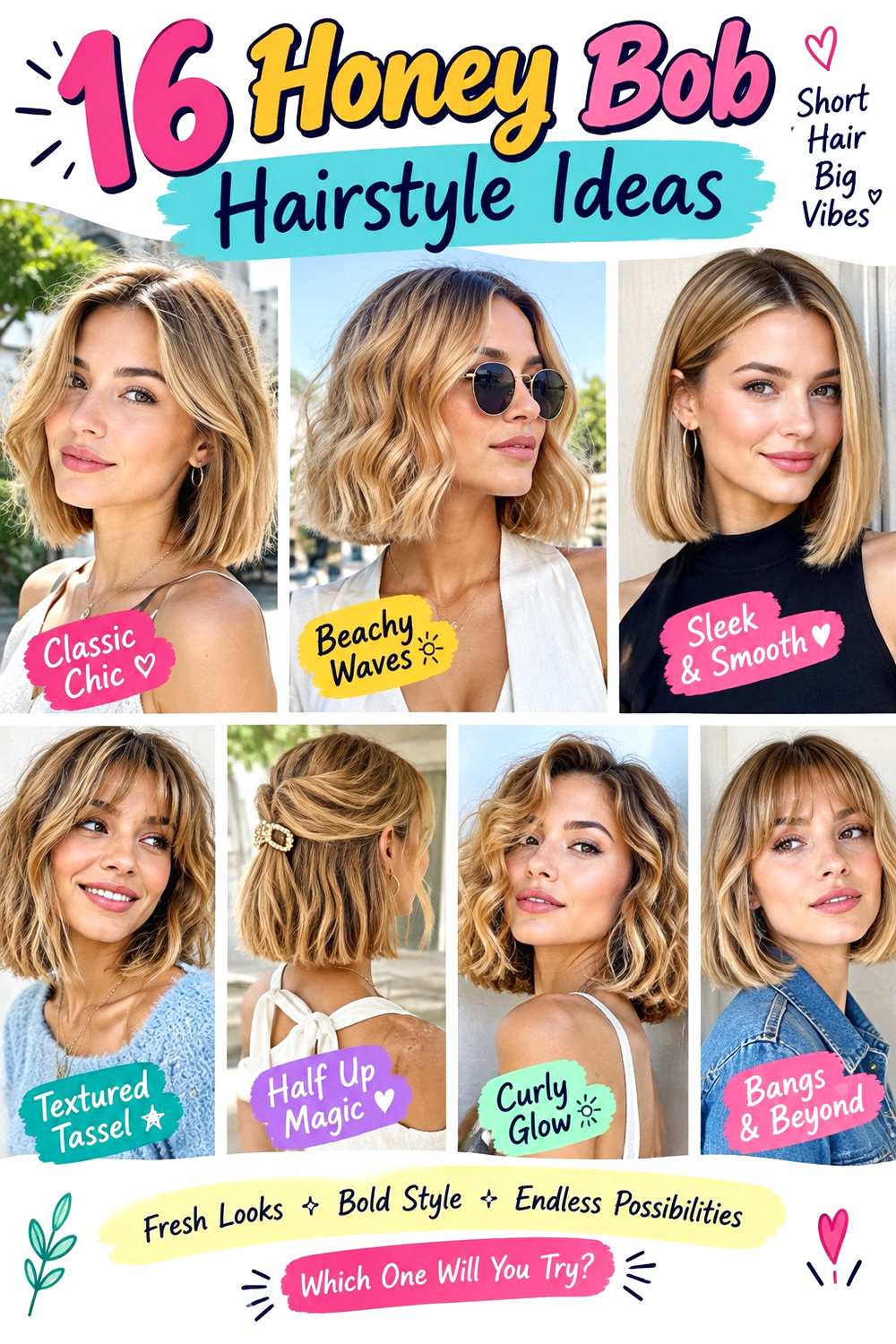
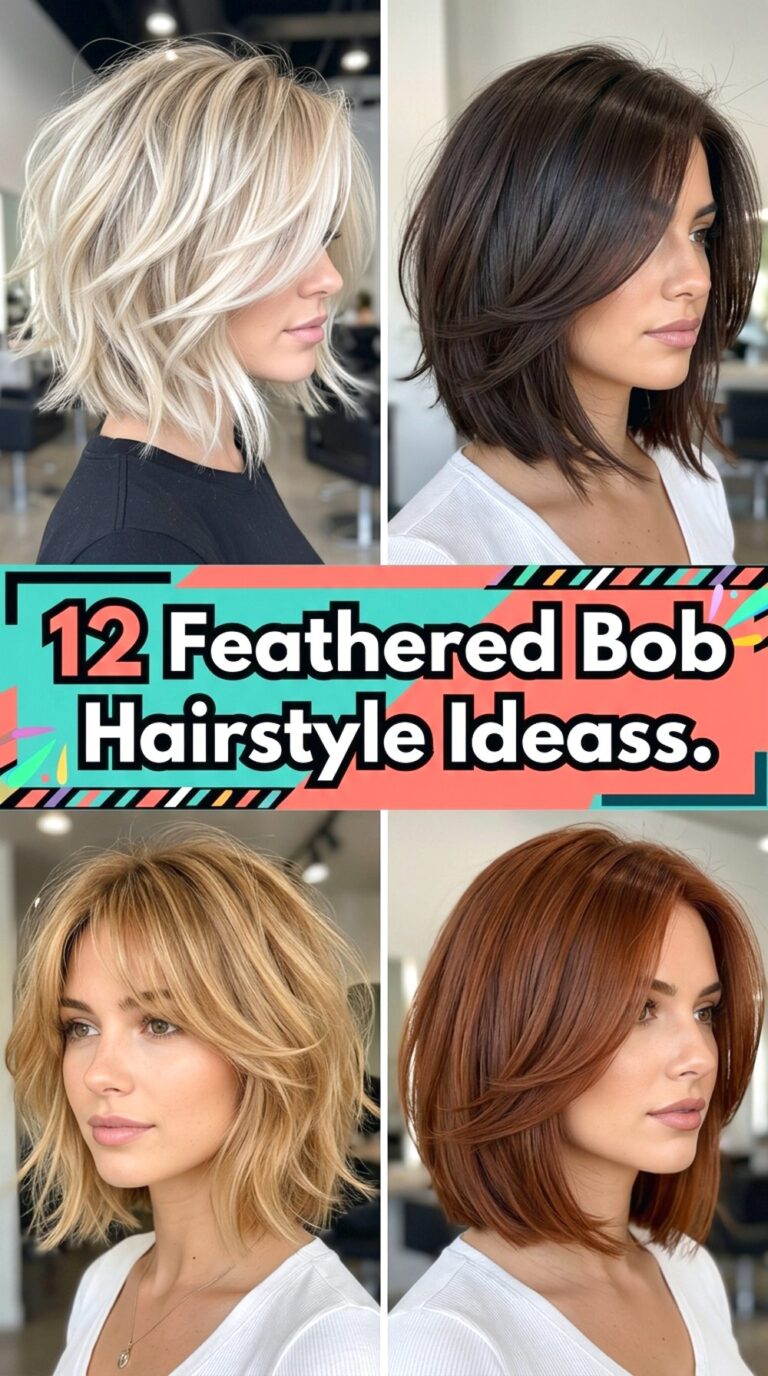
A honey bob combines the compact shape of a bob with warm golden, beige, caramel, or softly amber-toned dimension. The haircut can sit at the jaw, chin, or collarbone, while the color may appear uniform, softly rooted, highlighted, or concentrated around the face. Blunt perimeters create a stronger outline, whereas low layers and textured ends add movement without taking away the recognizable bob shape.
Straight, wavy, curly, and coily textures can all support honey bob hairstyle ideas, but the cut and color placement should follow the hair’s natural density and movement. Fine hair often benefits from keeping more perimeter weight, while dense hair may need selective internal bulk removal. Curly and coily hair should be judged at its finished dry length because shrinkage changes where the bob sits. Honey tones can also be adjusted warmer, softer, deeper, or more neutral according to the starting color and desired result.
Daily styling effort varies by finish. An air-dried wavy or curly bob may need only a targeted refresh, while polished straight or rounded shapes require more wash-day work. Color maintenance is separate from haircut upkeep, so discuss both the perimeter grow-out and how often you want to refresh gloss, highlights, or root contrast.
Quick List
- Soft Honey Blonde Blunt Bob Hairstyle
- Golden Honey Wavy Bob Hairstyle
- Honey Beige Center-Part Bob Hairstyle
- Honey Caramel Layered Bob Hairstyle
- Honey Blonde French Bob Hairstyle
- Jaw-Length Honey Bob Hairstyle
- Collarbone Honey Bob Hairstyle
- Curly Honey Bob Hairstyle
- Coily Honey Bob Hairstyle
- Wispy Fringe Honey Bob Hairstyle
- Curtain Fringe Honey Bob Hairstyle
- Side-Part Honey Bob Hairstyle
- Rounded Honey Bob Hairstyle
- Textured Ends Honey Bob Hairstyle
- Face-Framing Honey Bob Hairstyle
- Rooted Honey Balayage Bob Hairstyle
Soft Honey Blonde Blunt Bob Hairstyle
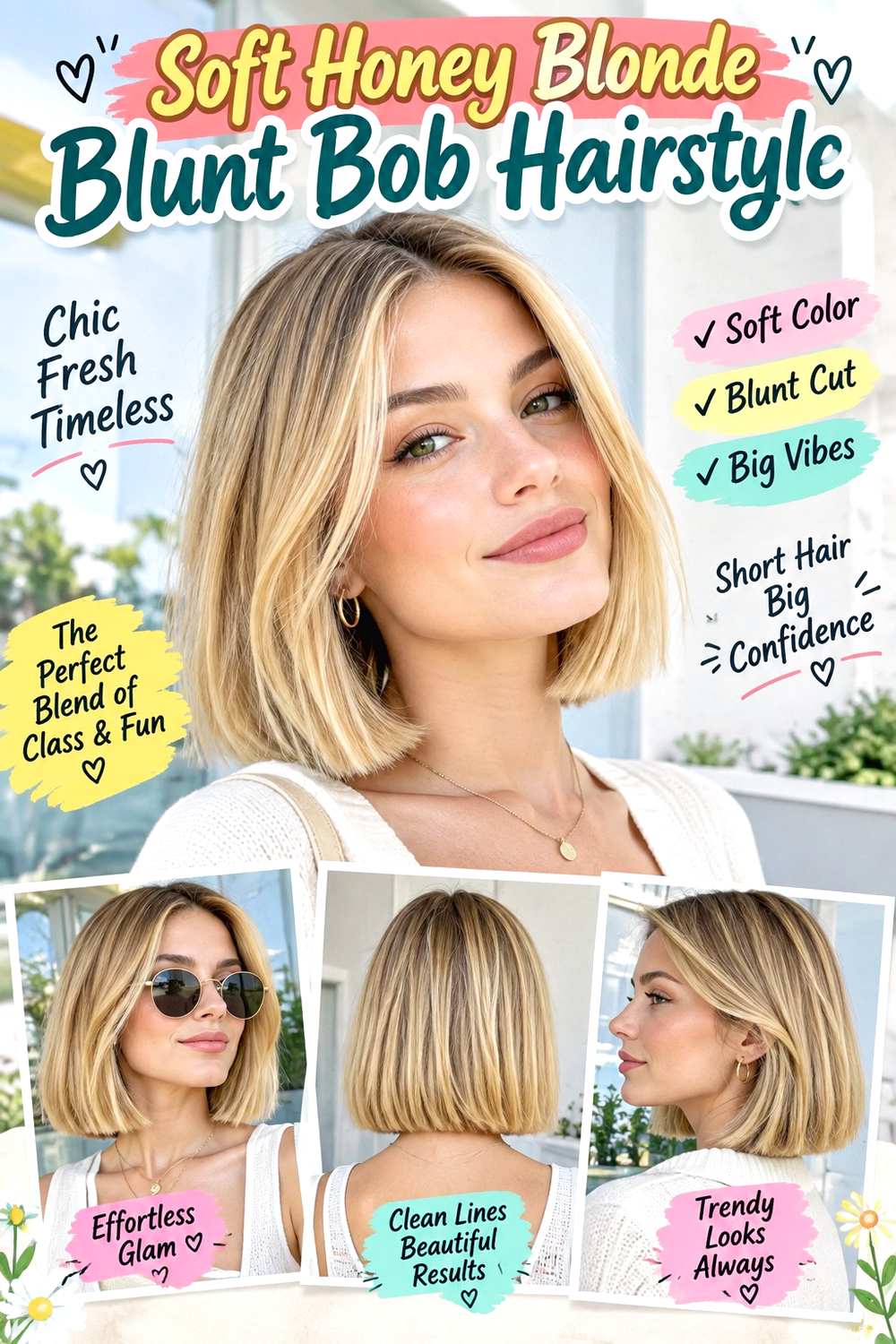
A full blunt perimeter gives this honey blonde bob a clean, compact shape around the jaw or slightly below it. Keep the crown simple, use minimal internal layering, and let a center or gentle side part determine how the front falls. The honey tone can stay softly golden rather than extremely bright, with enough variation through the surface to prevent the color from looking flat. Straight and softly wavy hair show the strong bottom edge clearly, while fine or lower-density hair often benefits from retaining this extra perimeter weight.
Use color-safe shampoo to help maintain the tone, lightweight conditioner to keep the ends flexible, and a vent brush for simple directional drying. A quick refresh usually means resetting the part and smoothing an overnight bend, while full wash-day styling takes longer if you want a more polished surface. Avoid repeatedly trimming individual flyaway ends because that can weaken the line.
At the salon, ask for the finished perimeter to land at one exact jaw or below-jaw landmark and explain how solid you want the edge. For color, show the honey depth you prefer rather than relying on the word “blonde” alone. Reshape the cut when the perimeter loses its compact position.
Pro tip:
Ask to see the finished bob with your head naturally upright so the blunt edge can be checked accurately rather than judged while your chin is tilted.
Make It Work for You:
For dense hair, keep the exterior line strong while allowing selective internal weight removal where the sides expand, preserving the blunt impression without unnecessary bulk.
Watch Out For:
Avoid aggressive thinning at the ends. A transparent perimeter can make a blunt honey bob look weaker and more uneven as it grows.
Golden Honey Wavy Bob Hairstyle

Broad natural-looking bends give this bob movement while golden honey dimension catches through the raised sections. Keep the perimeter between the jaw and upper neck, with restrained layering so the wave pattern remains broad instead of breaking into many short pieces. A center or loose side part can work, and the ends should stay substantial enough to support the shape. Naturally wavy hair is an easy starting point, although straighter textures can create a similar finish when heat styling suits the routine.
For heat-shaped waves, apply heat protectant before using a curling iron on larger sections, then finish with flexible hairspray for light hold. A full wash-day set takes longer because the hair must dry and be shaped, while a quick refresh should target only the waves that have flattened. Let the bends cool before loosening them so the pattern lasts without excessive product.
At the salon, explain where you want the first layer to begin and ask to preserve enough weight through the bottom edge. For color, request golden honey dimension that follows the movement of the bob rather than a single flat tone. Refresh the cut when the wave shape starts becoming bottom-heavy, and discuss tone maintenance separately from the haircut schedule.
Pro tip:
Shape the bob in larger sections rather than many small curls so the golden dimension moves across broad waves instead of disappearing into a busy texture.
Make It Work for You:
For fine hair, keep the waves wide and limit separation at the ends, preserving a fuller outline while still showing the honey-toned movement.
Watch Out For:
Do not repeatedly heat every section when only a few bends have dropped. Refresh locally so the routine stays proportionate to the actual problem.
Honey Beige Center-Part Bob Hairstyle

A center part and softly beige honey tone create a balanced bob that feels less overtly golden. Keep the length around the jaw or just below, with a fuller lower edge and only minimal face-framing movement near the front. The crown should stay relaxed rather than highly lifted, allowing the symmetry of the part and clean perimeter to define the look. Straight and softly wavy textures work particularly well, and lower-density hair can benefit from keeping the ends visually substantial.
Use a wide-tooth comb to establish the part, color-safe shampoo for gentle cleansing, and lightweight smoothing cream to control the final inch. A quick refresh can be as simple as resetting the center line and smoothing one side after sleep. Full wash-day styling takes longer if you prefer a polished blow-dry, but the haircut itself should not depend on heavy daily work.
For salon detail, point to the exact finished bob length and explain that you want the front to remain nearly one length. When discussing color, show whether you mean creamy beige honey, warmer gold, or something in between, because those descriptions can vary. Maintenance means reshaping the perimeter once it drops beyond the intended landmark and refreshing the tone when the beige-golden balance no longer looks as intended.
Pro tip:
Set the center part while the roots are still damp and leave it in place as the hair dries so both sides settle more evenly.
Make It Work for You:
For naturally wavy hair, allow a little bend through the sides while keeping the center part clean, preserving texture without losing the balanced shape.
Watch Out For:
Avoid adding short crown layers simply to create lift. Too much height can change the quiet, symmetrical character of this center-part bob.
Honey Caramel Layered Bob Hairstyle
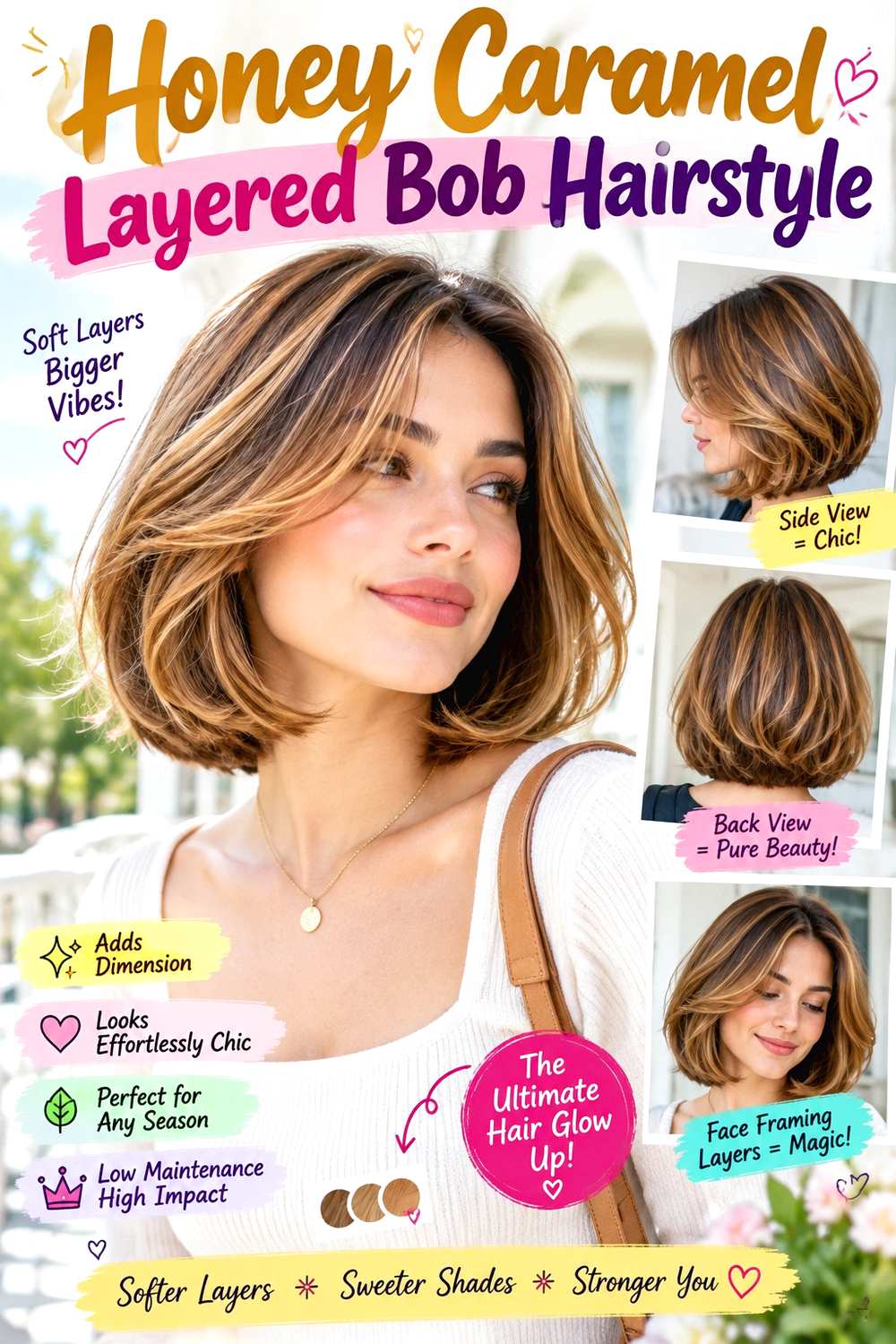
Honey and caramel tones work well with a layered bob because the depth can sit beneath lighter surface pieces, making the movement easier to see. Keep the overall length between the jaw and shoulders, with the shortest layers beginning around the lower cheek or jaw rather than high at the crown. The perimeter should remain visible and reasonably full. Straight, wavy, and loosely curly textures can all support the cut, while dense hair may appreciate carefully placed internal movement.
Use lightweight mousse for gentle body, a vent brush to guide the layers while drying, and color-safe conditioner to keep the ends flexible. A quick refresh can focus on the face-framing sections, whereas full wash-day styling takes longer if you want the layers more polished. As the cut grows, the layers can merge into a heavier block before the perimeter itself feels too long.
At the salon, specify the shortest layer landmark and ask how much perimeter density will remain after layering. For the color, discuss whether you want deeper caramel underneath, around the roots, or mixed through the entire bob. Maintenance should treat shape and tone separately: reshape when the layers stop moving well, and refresh color when the honey-caramel balance loses the depth you want.
Pro tip:
Style the shortest face layer first, then let the longer pieces follow its direction so the layered movement reads clearly without becoming overworked.
Make It Work for You:
For fine hair, keep the caramel dimension subtle and restrict shorter layers mainly to the front, preserving more density through the lower bob.
Watch Out For:
Avoid combining heavy layering with aggressive end thinning. Too much removal can make the warm color look patchier because the perimeter loses visual weight.
Honey Blonde French Bob Hairstyle

A French-bob-inspired shape keeps the length compact around the jaw, with a softly full perimeter and optional fringe sitting near the brows. The honey blonde tone adds warmth without changing the defining short proportions. Keep the sides close to the face, the crown relatively simple, and the ends either softly blunt or lightly textured. Straight and wavy hair show the compact outline clearly, while loose curls can create a rounder variation with extra attention to dry length.
Use lightweight mousse for body, a small round brush to guide the fringe or front, and color-safe shampoo to protect the tone. A quick refresh may involve only the front and ends, while full wash-day styling takes longer if you prefer a smooth rounded finish. Fringe maintenance can become noticeable before the bob perimeter needs reshaping.
At the salon, specify the exact jaw-level length and whether you want fringe, an open forehead, or longer front pieces. If choosing bangs, discuss the finished dry position rather than a generic “French bob fringe.” For color, show the honey depth you want around the face. The haircut should still work when minimally styled, so avoid relying on strong curling to create the basic silhouette.
Pro tip:
Ask for the front and perimeter to be checked once the hair settles naturally, ensuring the compact bob shape works even without a highly styled finish.
Make It Work for You:
For wavy hair, keep the perimeter slightly longer so the natural bend does not lift the bob much higher than the intended jaw position.
Watch Out For:
Do not cut a short fringe based only on wet length. Natural movement and growth direction can make the finished bangs sit considerably higher.
Jaw-Length Honey Bob Hairstyle
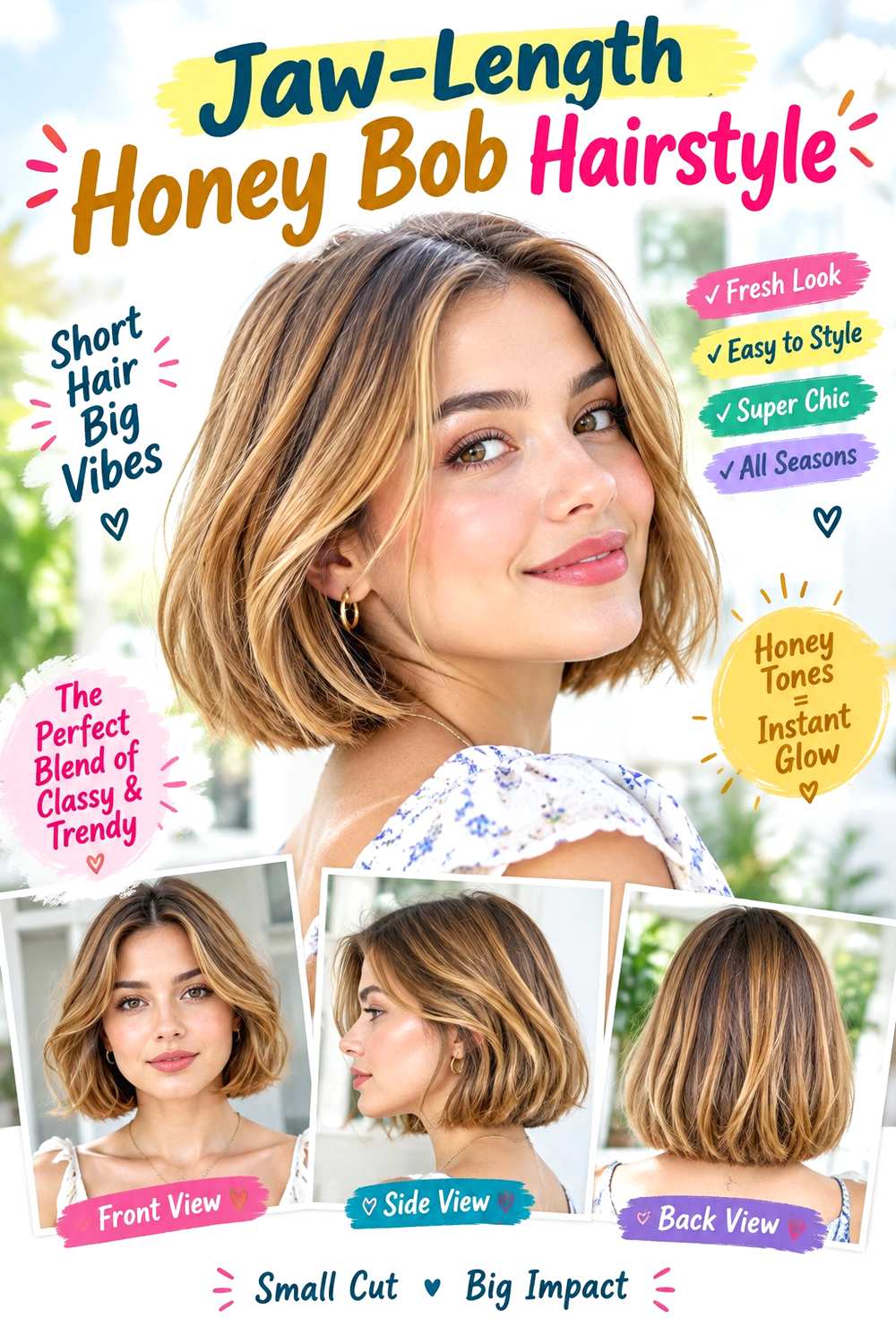
A jaw-length perimeter makes the silhouette itself the strongest feature, while honey-toned dimension adds softness through the surface. Keep the bottom line full, use minimal internal layering, and choose a center or subtle side part according to how the front naturally falls. The color can range from golden honey to deeper beige-honey without changing the compact cut. Straight, wavy, and softly curly textures all work, but shrinkage and bends must be considered before setting the final length.
Use lightweight smoothing cream on the ends, a vent brush for simple drying, and color-safe conditioner to help keep the colored lengths flexible. A quick refresh usually means correcting any side that bent overnight. A full wash-day finish can stay straightforward when the cut follows your natural texture. Because the edge sits at a clear facial landmark, grow-out becomes visible relatively quickly.
At the salon, point directly to the finished jaw position with your head neutral and explain how much perimeter weight you want to retain. For honey color, show whether you prefer even warmth or lighter pieces near the front. Reshape the bob when the line drops far enough to change the compact proportion rather than trimming automatically on a fixed schedule.
Pro tip:
Check both sides after the hair is fully dry, since bends and growth patterns can make a jaw-length perimeter appear uneven even when the wet line matched.
Make It Work for You:
For loose curls, allow additional dry length so the perimeter settles around the jaw after shrinkage rather than springing unexpectedly toward the cheek.
Watch Out For:
Avoid over-texturizing the bottom edge. A jaw-length bob can lose its intentional shape quickly when too much weight is removed from the ends.
Collarbone Honey Bob Hairstyle
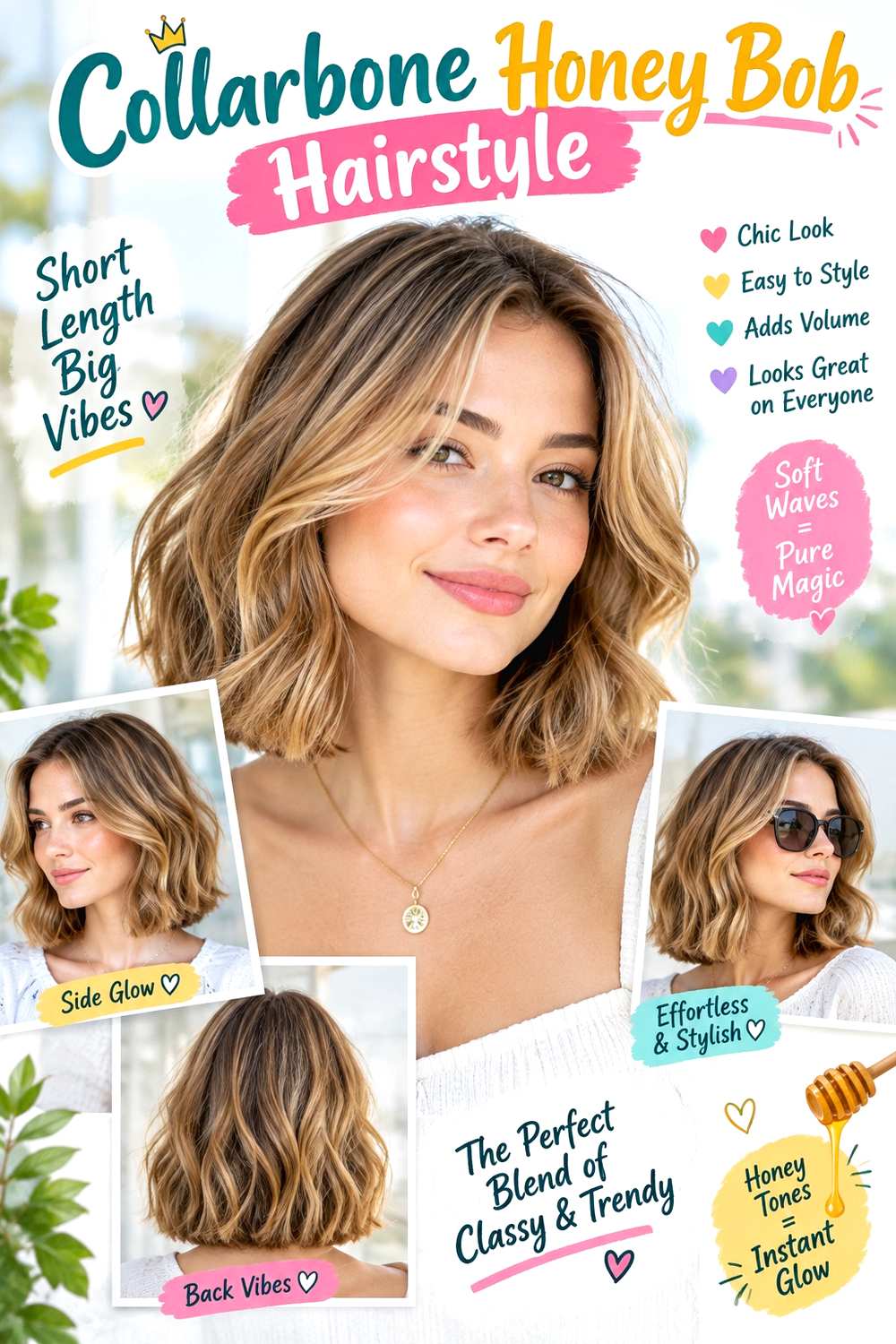
A collarbone bob offers more movement and a softer grow-out than shorter versions while still keeping a clear bob perimeter. Let the ends meet or skim the collarbone, with long layers beginning around the jaw or lower so the bottom remains substantial. Honey dimension can run through the mid-lengths and ends, with a softer root if you prefer less obvious grow-out. Straight, wavy, curly, and coily textures can all adapt to this length with dry-length planning.
Use lightweight mousse for movement, a wide-tooth comb to arrange the part, and color-safe conditioner to keep longer ends flexible. A quick refresh can focus on the front and any collarbone bends, while full wash-day styling takes longer if you define curls or create a blowout. The cut tends to grow out more forgivingly than a chin-length bob, although the lower edge can eventually feel heavy.
For salon detail, specify the finished collarbone position and the starting point of any face-framing pieces. For color, show how much root contrast and honey brightness you want. Fine hair may benefit from fewer layers, while dense hair can use selective internal bulk reduction. Maintenance should address shape when the front no longer connects cleanly and tone when the warm dimension loses the desired balance.
Pro tip:
Check where the ends meet your shoulders before choosing the final length, because collar contact can naturally make one section flip more than another.
Make It Work for You:
For coily or curly hair, choose the collarbone target from the dry shape and leave enough length for shrinkage instead of copying a straight-hair measurement.
Watch Out For:
Avoid adding many short layers because the bob is longer. Too much layering can weaken the calm perimeter and shift the shape toward a shag.
Curly Honey Bob Hairstyle
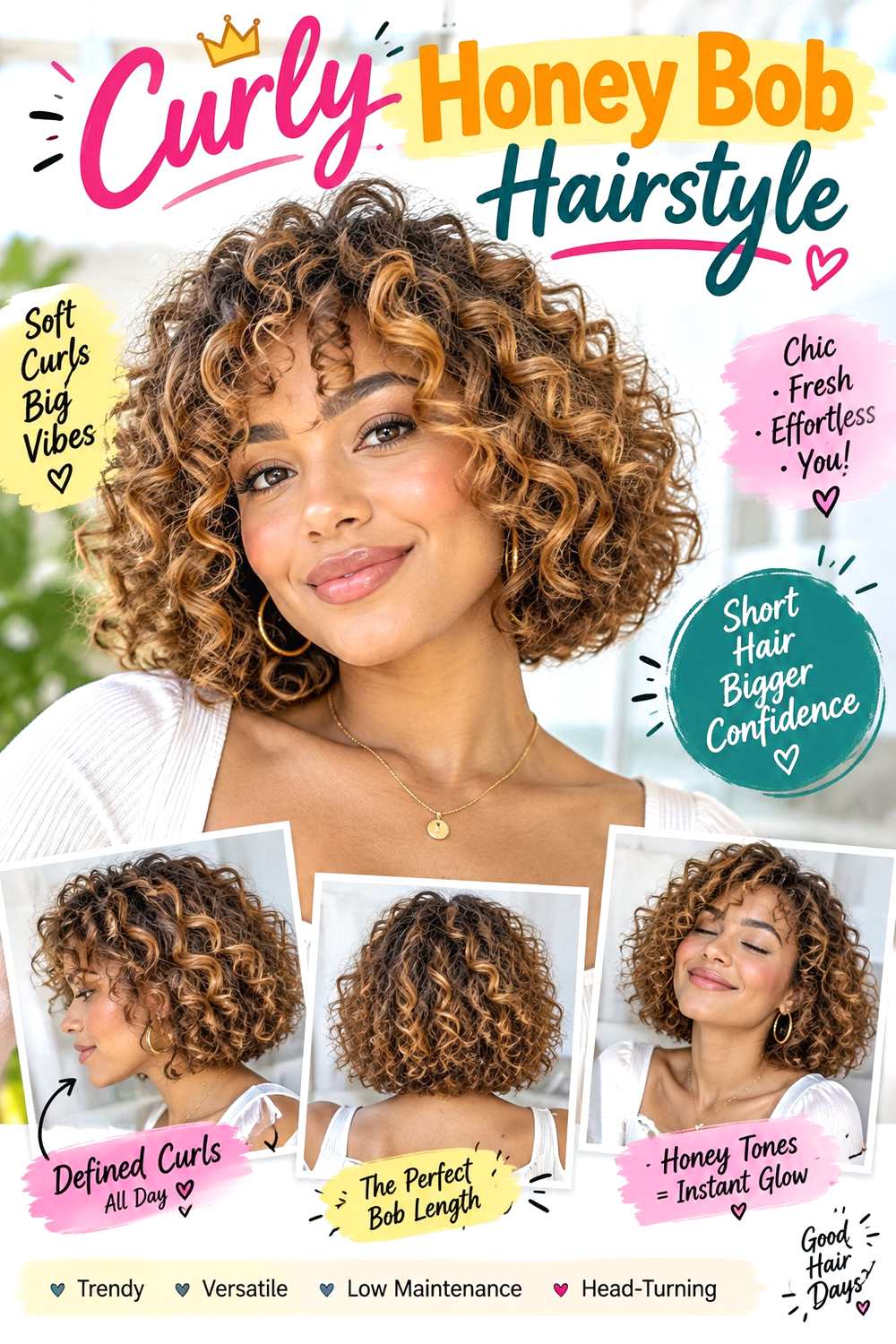
Defined curls give a honey bob a rounded shape while lighter and deeper warm pieces become visible as the curl groups move. Keep the finished perimeter around the jaw or upper neck, with enough layering to prevent excessive bottom heaviness without breaking up the curl pattern. A natural, center, or side part can all work. Honey placement can be subtle through selected curls or more blended throughout, depending on the starting color and maintenance preference.
Use lightweight leave-in conditioner for softness, curl gel for definition, and a diffuser for controlled drying. A full wash-day style takes longer because the curls need to form and dry before the true shape is visible. A quick refresh should target only flattened or frizzy sections. Avoid brushing through dry curls simply to make the bob look smoother.
At the salon, discuss the finished dry perimeter, the shortest layer, and how much volume you want at the sides. For color, ask how the honey placement will follow individual curl groups rather than relying on a straightened reference. Maintenance means reshaping when the lower curls become heavy and refreshing tone or highlights separately. Any fringe or front layer should be judged by its dry shrinkage before it is shortened.
Pro tip:
Let the curls dry completely before judging the honey placement, since different curl groups can hide or reveal lighter pieces depending on how they settle.
Make It Work for You:
For looser curls, keep the upper layers longer so the sides remain connected and the bob does not become too round at the crown.
Watch Out For:
Do not remove weight randomly to reduce volume. Unplanned thinning can break curl groups and make the highlighted sections look uneven or frizzy.
Coily Honey Bob Hairstyle
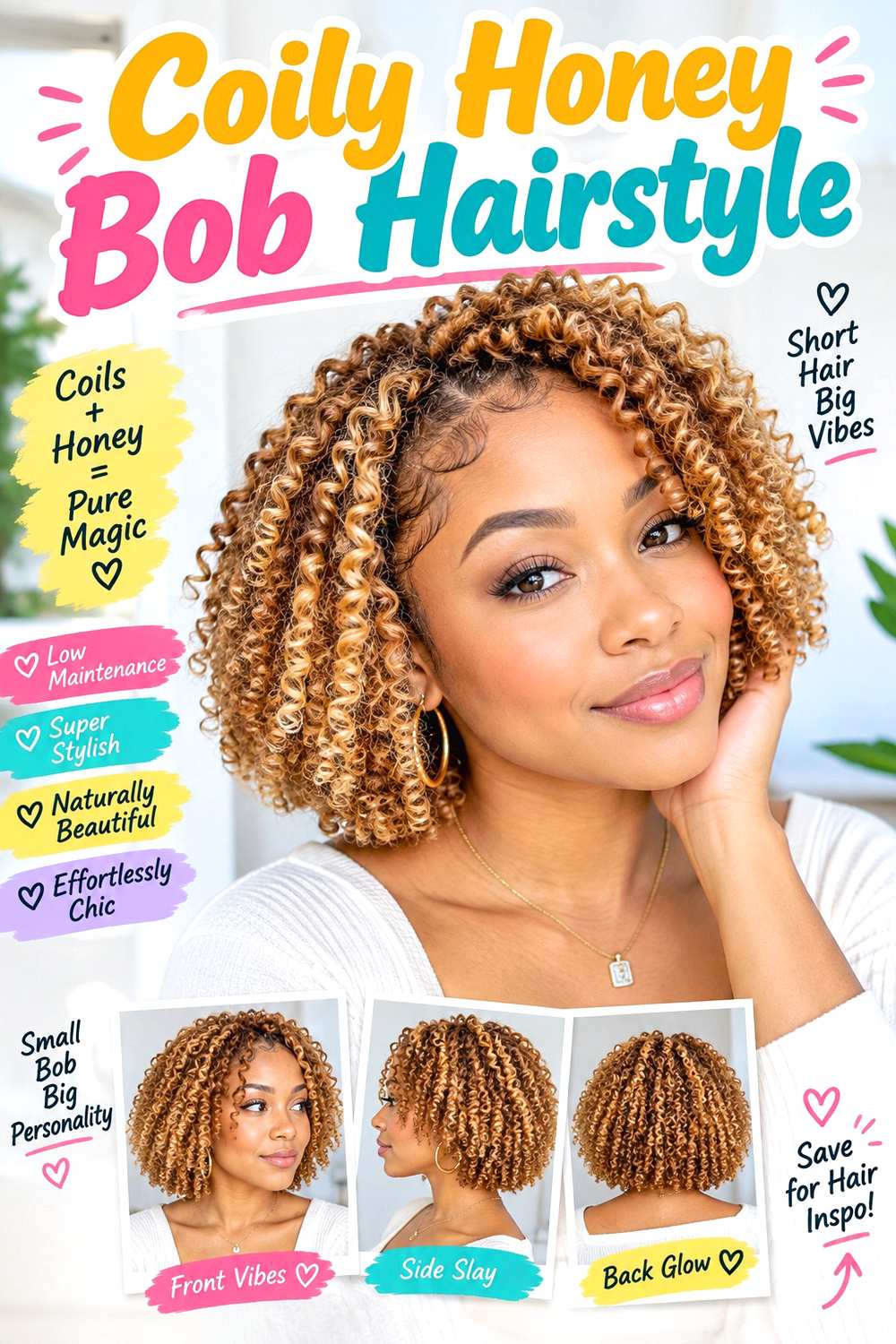
A coily bob combines a rounded dry shape with warm honey dimension placed where it can remain visible within dense texture. Keep the finished length around the jaw or slightly below, preserve substantial perimeter fullness, and use only enough shaping to control areas that become overly wide. The crown can retain natural height rather than being flattened. Honey tones may appear as selected warm pieces, a softer overall color, or dimension concentrated toward the ends.
Use lightweight leave-in conditioner for slip, curl cream to support coil grouping, and a wide-tooth comb for gentle detangling before styling. A full wash-day routine takes longer because the coils must be defined and fully dried before the finished bob shape can be assessed. A quick refresh can focus on compressed outer sections. Avoid stretching the hair simply to check the color or length.
For salon detail, discuss the haircut and color on the hair’s natural dry shape whenever possible. Specify how much crown height, side volume, and perimeter fullness you want. If lightening is involved, ask how the desired honey tone can be reached while respecting the condition of the hair. Maintenance includes refreshing the silhouette as the sides widen and caring for moisture needs separately from color tone.
Pro tip:
Assess both cut and color after the coils are fully dry, because shrinkage changes where the perimeter sits and which honey pieces remain most visible.
Make It Work for You:
For very dense coils, keep the outer perimeter substantial and reduce bulk only where the shape expands excessively, preserving a rounded, connected silhouette.
Watch Out For:
Avoid using stretched length as the final cutting guide. The bob should be balanced in the coily shape you actually plan to wear.
Wispy Fringe Honey Bob Hairstyle
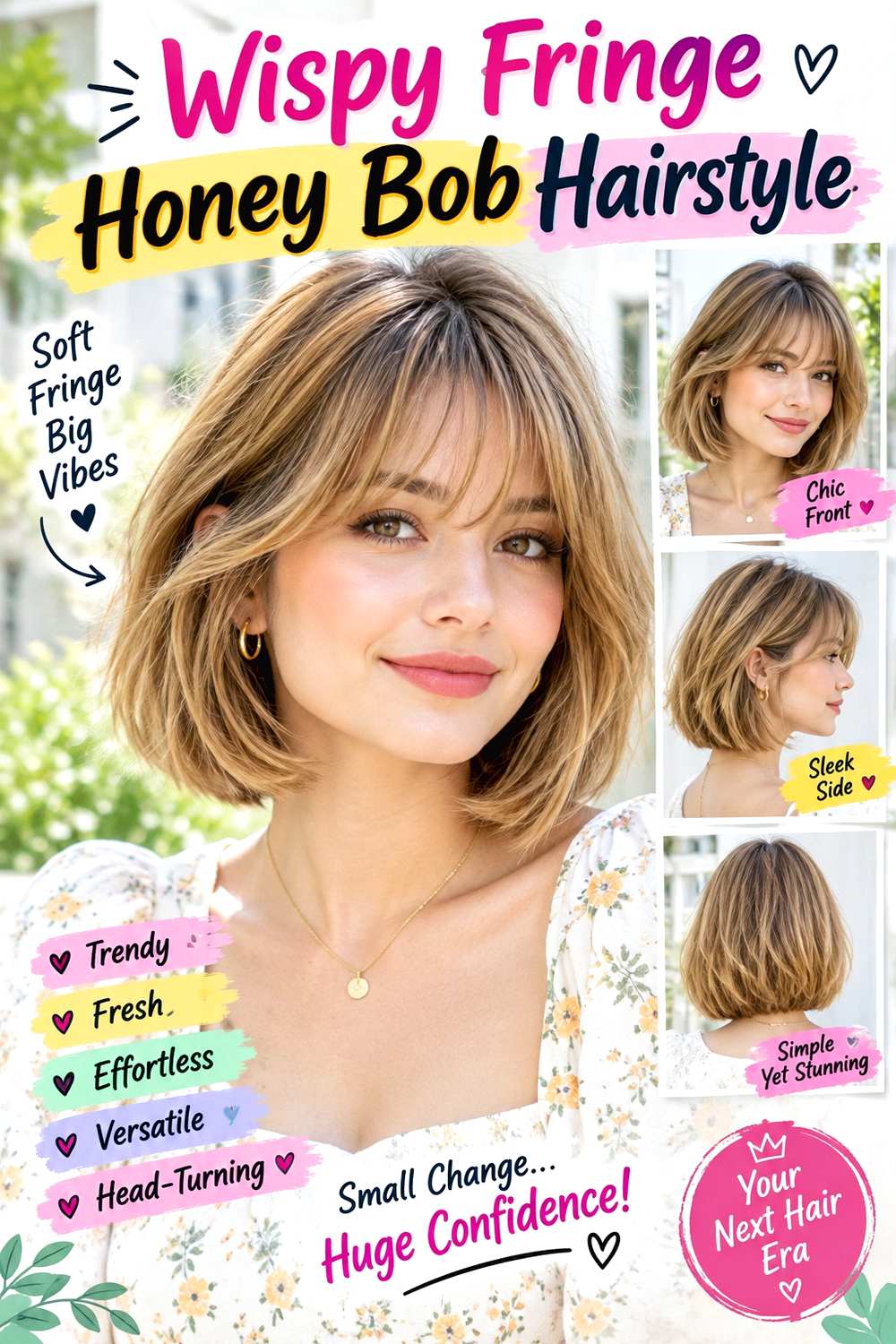
A light brow-level fringe adds softness without making the honey bob feel heavy at the front. Keep the bang section narrow enough to show some forehead, with longer corners blending toward the temples. The main bob can finish at the jaw or slightly below, with a full perimeter and minimal layering. Honey dimension around the fringe and front can make those shorter pieces more visible, while straight and wavy textures show the wispy separation particularly clearly.
Use a small round brush to direct the fringe, lightweight styling cream to separate the tips, and color-safe shampoo for gentle cleansing. A quick morning refresh usually involves only the bangs, while a full wash-day style takes longer when the entire bob needs shaping. Fringe grow-out often becomes noticeable before the rest of the cut needs attention.
At the salon, specify the finished dry fringe length, width, and longer outer corners. For color, show whether you want the front slightly brighter or consistent with the rest of the honey bob. Fine hair benefits from keeping the fringe section modest so the crown retains density. If the front has a strong cowlick, discuss how that growth direction may affect the finished bang position.
Pro tip:
Dry the fringe first after washing so its root direction settles before the rest of the bob, making the light separation easier to control.
Make It Work for You:
For sparse fringe density, use fewer, slightly broader pieces with longer corners, keeping the front soft without borrowing too much hair from the crown.
Watch Out For:
Do not over-thin the fringe to make it wispy. Controlled section size creates a softer result than removing excessive density from the tips.
Curtain Fringe Honey Bob Hairstyle
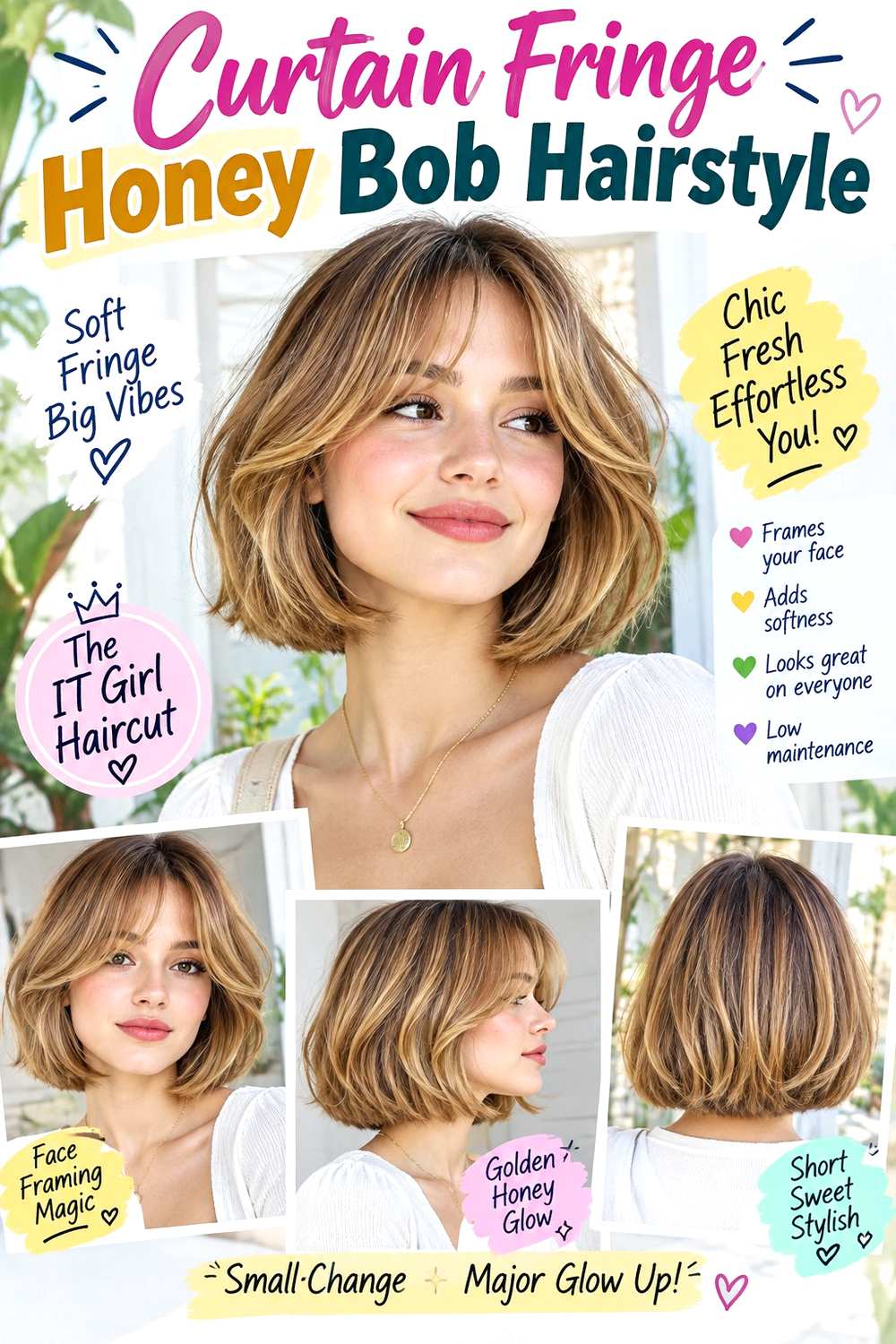
Curtain fringe creates a soft opening through the center while honey dimension can brighten the pieces around the eyes and cheekbones. Keep the shortest part of the fringe near the brows or upper cheek and let the outer sections lengthen into the bob. The perimeter can sit between the jaw and shoulders, with enough weight to remain clearly bob-shaped. Straight, wavy, and loose curly textures can all work when the fringe length accounts for natural movement.
Apply heat protectant before using a round brush to direct each fringe side away from the face, then finish with lightweight smoothing cream. A full wash-day style takes longer when you want the curtain shape polished, while a quick refresh can be limited to re-dampening and redirecting the front. The fringe grows out more softly than short bangs because the outer corners blend into face-framing sections.
At the salon, show where the shortest center point and longest corners should finish. For honey color, discuss whether those front sections should be brighter than the rest of the bob or simply warmer. Maintenance includes reshaping the fringe when the center no longer opens cleanly and refreshing tone according to your preferred level of warmth.
Pro tip:
Let both fringe sides cool in their outward direction before loosening them so the center opening stays soft instead of collapsing forward immediately.
Make It Work for You:
For wavy hair, keep the curtain pieces slightly longer and let natural bends create the separation, reducing the amount of heat needed for daily styling.
Watch Out For:
Avoid cutting the center too short if you prefer easy grow-out. Longer curtain pieces blend into the bob with less noticeable transition.
Side-Part Honey Bob Hairstyle

A side part shifts the visual weight of a honey bob and gives the lighter dimension a different appearance from each angle. Keep the perimeter around the jaw or upper neck, with the heavier side falling toward the cheek and the lighter side easy to tuck. Layers should stay subtle so the bob remains compact. Honey blonde, beige, or caramel-toned pieces can be placed to follow the heavier front section without making one side feel visually overloaded.
Use lightweight mousse for modest root support, a wide-tooth comb to set the part, and color-safe conditioner through the ends. A quick refresh can focus on resetting the heavier front section, while full wash-day styling takes longer if you need to redirect the roots. When the part begins lying flat, adjusting the drying direction may help more than piling on product.
At the salon, show the exact side-part position and where you want the shortest front movement to start. For color, discuss how brightness should be distributed across the heavier and lighter sides. Dense hair may need selective bulk adjustment underneath the fuller side, while fine hair should preserve perimeter weight. Maintenance becomes useful when the front sweep loses its shape or the bottom edge grows beyond the intended position.
Pro tip:
Dry the heavier side briefly opposite its final direction, then let it settle back over the part for gentle lift without obvious teasing.
Make It Work for You:
For lower-density hair, keep both sides relatively full at the perimeter and use color placement rather than extra layering to create visible dimension.
Watch Out For:
Avoid over-layering the lighter tucked side. Too little weight there can make the bob look uneven once you wear both sides loose.
Rounded Honey Bob Hairstyle

A softly rounded silhouette gives a honey bob controlled fullness through the sides and a gentle inward curve at the perimeter. Keep the length around the jaw or just below, use restrained internal shaping, and avoid extreme stacking at the back. A center or subtle side part can work, while warm honey dimension follows the curved surface rather than creating obvious striping. Straight and softly wavy textures are natural starting points for this finish.
Apply heat protectant before heated drying, use a round brush to shape the final inches inward, and finish with lightweight smoothing cream. A full wash-day style takes longer because the curve is created during drying, while a quick refresh can focus on sections that flipped overnight. The haircut should still look balanced when worn less polished, so the basic shape should not rely entirely on heat.
For professional styling, specify how much roundness you want at the sides and whether the nape should stay one length or have slight graduation. For color, request honey dimension that moves softly through the curved surface. Maintenance is needed when the perimeter becomes too long to turn under easily or the back starts feeling heavy.
Pro tip:
Concentrate the inward bend on the last few inches so the bob stays controlled without turning into an exaggerated, overly rounded shape.
Make It Work for You:
For dense hair, allow selective internal weight reduction beneath the curved surface while keeping the visible perimeter strong enough to support the rounded line.
Watch Out For:
Do not over-round the ends with heat every day. A strong curl under can make the bob appear shorter and more rigid than intended.
Textured Ends Honey Bob Hairstyle

Small variations through the ends give this honey bob movement without introducing obvious short layers. Keep the main length around the jaw or upper neck, preserve a visible perimeter, and concentrate texture within the final inch. The crown can stay simple, while a center or side part controls the front. Honey dimension becomes easier to notice when selected tips move independently, especially on straight or wavy hair.
Use lightweight mousse for subtle body, smoothing cream through the mid-lengths, and a small amount of styling paste on selected dry tips. A quick refresh usually means re-separating a few ends rather than rebuilding the entire bob. Full wash-day styling remains moderate because the shape does not depend on elaborate layering. As the cut grows, the textured perimeter may start feeling heavier and less distinct.
At the salon, explain that you want movement at the ends while retaining a readable outer line. Fine hair should avoid aggressive thinning because sparse tips can weaken both the haircut and the visible color dimension. For honey placement, discuss whether lighter pieces should extend fully through the ends or stay more blended. Maintenance means reshaping when the edge loses its deliberate separation and refreshing tone separately as needed.
Pro tip:
Define only a few dry tips at a time so the end texture stays subtle and the honey color still reads as one connected bob.
Make It Work for You:
For fine ends, preserve most of the perimeter and concentrate texture near the front, where movement can show without reducing density across the entire bob.
Watch Out For:
Avoid aggressive thinning in pursuit of softness. Transparent ends can make a warm dimensional color look more uneven and reduce the bob’s structure.
Face-Framing Honey Bob Hairstyle
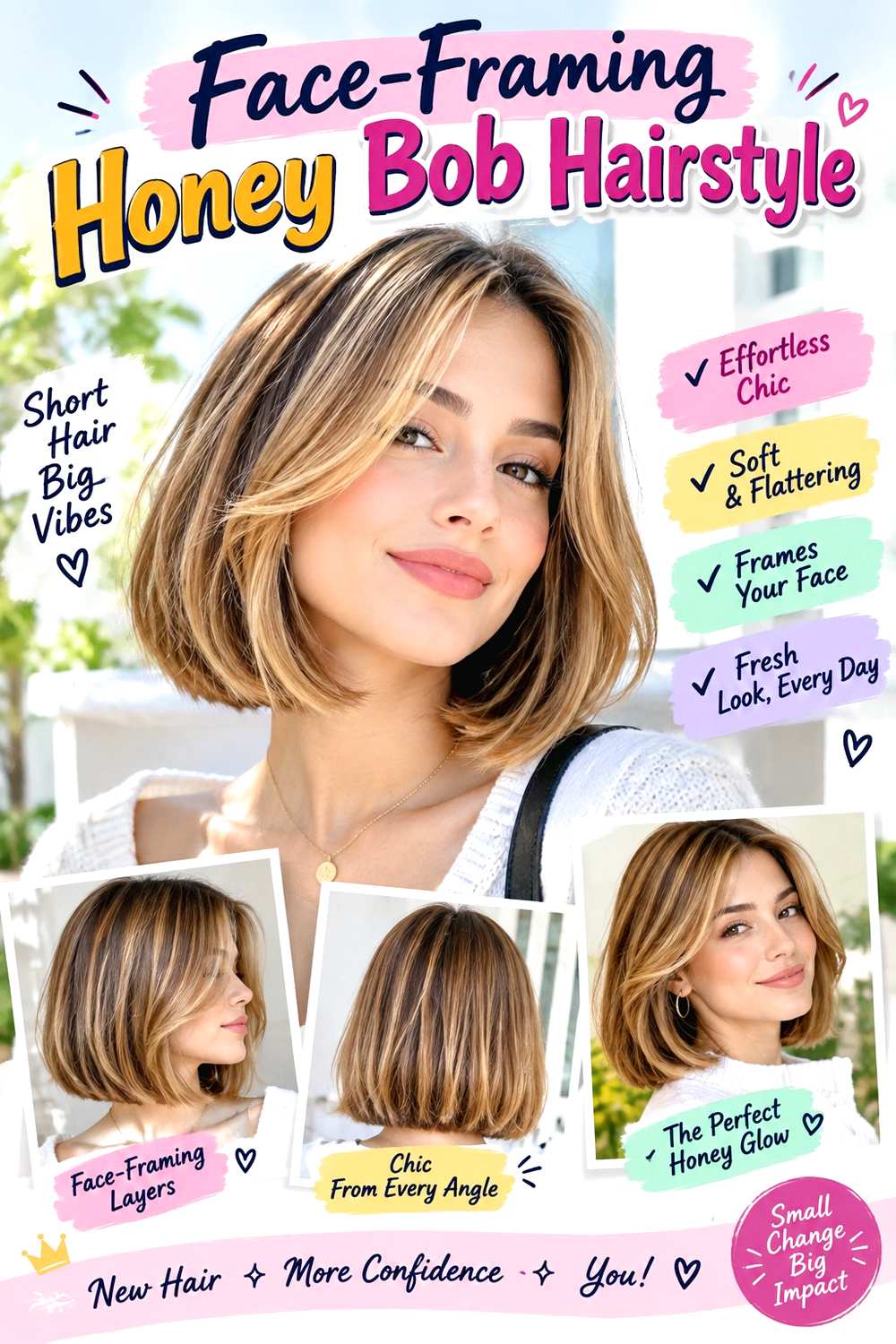
A few deliberate face-framing pieces can make honey dimension especially noticeable around the front without turning the haircut into a heavily layered style. Keep the main perimeter between the jaw and collarbone, then begin the shortest front pieces around the cheekbones, jaw, or chin. The rest of the bob should remain relatively full. Straight, wavy, curly, and coily textures can all use this framework when the face frame is planned around natural movement.
Apply heat protectant before directing the front with a round brush, then use lightweight smoothing cream on the ends and color-safe shampoo for general upkeep. A full wash-day style takes longer if you want a polished front bend, while a quick refresh can focus only on the framing sections. The front grows out more noticeably once it stops connecting with the main length.
At the salon, point to one exact landmark for the shortest face-framing piece and show whether you want the honey color brighter there or evenly blended. Fine hair should keep the framing section narrow so the perimeter retains density. Curly and coily hair need the front assessed dry, since shrinkage can shift those pieces much higher than expected.
Pro tip:
Choose one clear starting point for the face frame so the front looks deliberate instead of becoming a staircase of many short, disconnected pieces.
Make It Work for You:
For curls or coils, set the shortest front piece according to its dry position and let the honey dimension follow the natural grouping around the face.
Watch Out For:
Avoid taking an overly wide face-framing section on fine hair. Removing too much front density can leave the main bob noticeably thin near the corners.
Rooted Honey Balayage Bob Hairstyle
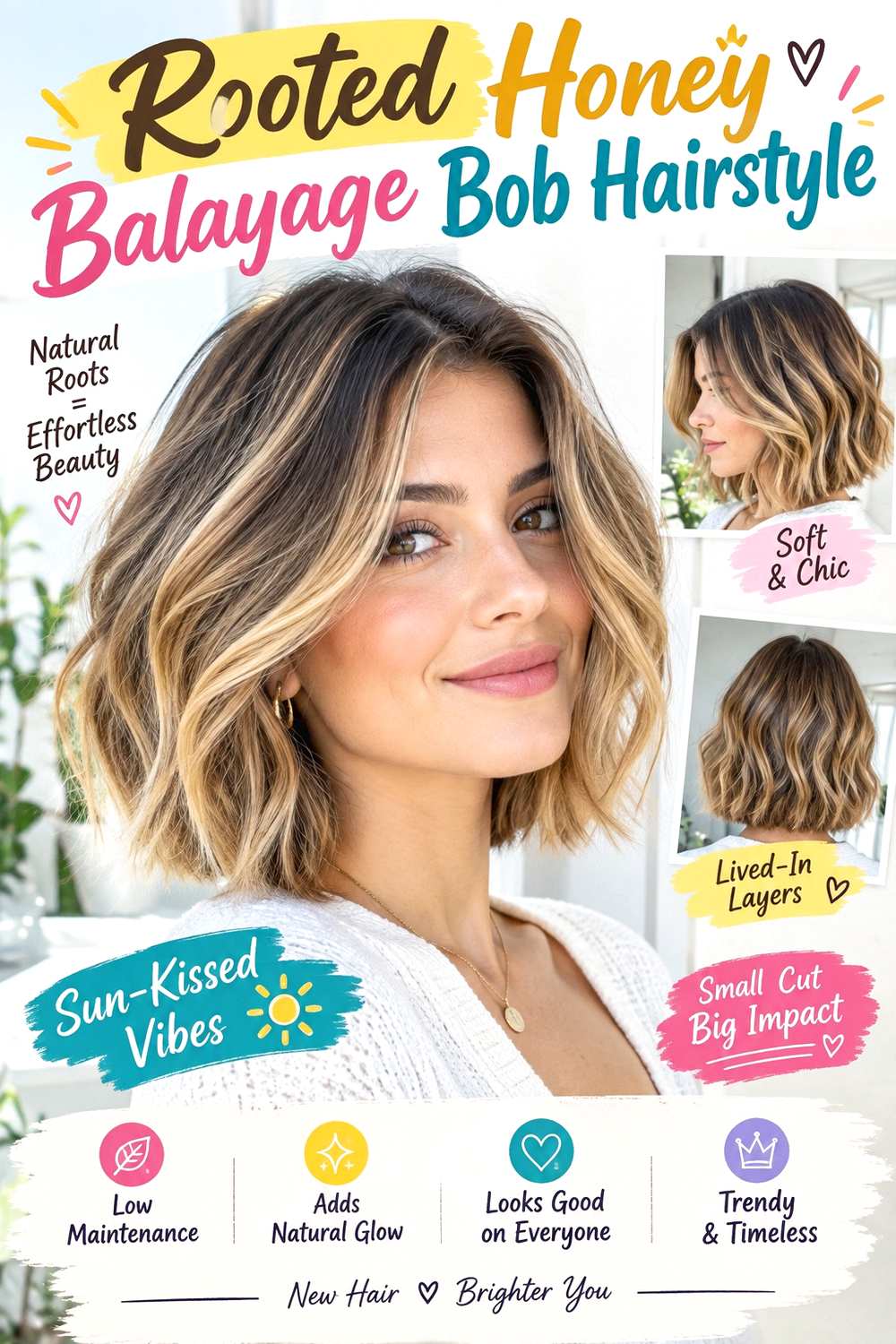
A deeper root blending into honey-toned mid-lengths and ends creates visible dimension while keeping the bob shape simple. The haircut can sit anywhere from the jaw to the shoulders, with a reasonably full perimeter and limited layering so the color transition remains easy to read. A center or side part can work, while the root depth provides contrast around the crown. Straight, wavy, and curly textures can all show the placement differently.
Use color-safe shampoo for gentle cleansing, lightweight conditioner to keep the lightened lengths flexible, and a wide-tooth comb to detangle without rough handling. A quick styling refresh may require only resetting the part and ends, while full wash-day work depends on the texture you choose to wear. Color maintenance is separate from haircut maintenance, and a rooted placement can create a softer visual transition as new growth appears.
At the salon, show the exact depth you want at the root, where the honey transition should begin, and whether the face should be brighter. For the cut, specify the perimeter length and how much weight should remain. If lightening is needed, discuss what is realistic for your starting color and condition rather than assuming one appointment can produce every reference shade.
Pro tip:
Ask to view the color in the part you wear most often, since root depth and honey placement can appear very different when the hair changes direction.
Make It Work for You:
For lower-maintenance color, keep the root transition soft and place more honey brightness through the mid-lengths and ends instead of starting directly at the scalp.
Watch Out For:
Do not judge a honey balayage reference only by its lightest pieces. Root depth, starting color, and overall contrast strongly affect the finished result.
Conclusion
Honey bob hairstyle ideas can range from blunt jaw-length cuts to layered collarbone shapes, with warm blonde, beige, caramel, or softly rooted color creating different amounts of dimension. Fine hair often benefits from a fuller perimeter, while dense hair may need selective internal weight reduction. Waves add movement, curls and coils need dry-shape planning, and straight bobs make clean lines especially visible. Fringe, face-framing pieces, and parting change the front without requiring dramatic layering. Color upkeep and haircut upkeep should be considered separately: the shape may still sit well even when the tone needs refreshing. Choose the version that fits your natural texture, preferred warmth, density, and realistic styling routine.
Before Your Salon Visit
Choose one or two favorites and save references that clearly show both the haircut and honey tone. Discuss your natural texture, density, face shape, preferred length, upkeep, and normal styling routine. Point out the exact perimeter, fringe, layer starting point, crown volume, face-framing placement, root depth, and honey warmth you like. If your ideal cut comes from one reference and your preferred color from another, show both so your stylist can assess how they may work together.
FAQs
What Color Is a Honey Bob?
Honey usually refers to a warm color family that can include golden blonde, beige-gold, amber, or caramel-like dimension rather than one exact formula. The finished result depends on your starting color and desired depth. Bring visual references so your colorist can see whether you prefer lighter gold, deeper honey, or a more neutral blend.
Can Curly or Coily Hair Wear a Honey Bob?
Yes. The bob shape should be planned around dry shrinkage, curl grouping, density, and preferred volume. Honey dimension can be blended throughout or placed selectively where it remains visible in the natural texture. Avoid copying the exact wet or stretched length from a straight-haired reference when deciding the finished perimeter.
Does a Honey Bob Require Bleach?
Not always. Whether lightening is needed depends on your starting color and the honey depth you want. Some hair may reach a warm honey effect with color alone, while darker starting shades may require lightening for a brighter result. A colorist should assess what is realistic for your hair and its condition.
How Do I Maintain a Honey Bob Between Salon Visits?
Treat shape and color as separate maintenance needs. Refresh the haircut when the perimeter, fringe, or layers stop sitting as intended, and discuss tone maintenance according to the color service you received. Gentle cleansing, conditioning, reduced unnecessary heat, and targeted styling can help the bob remain manageable between appointments.