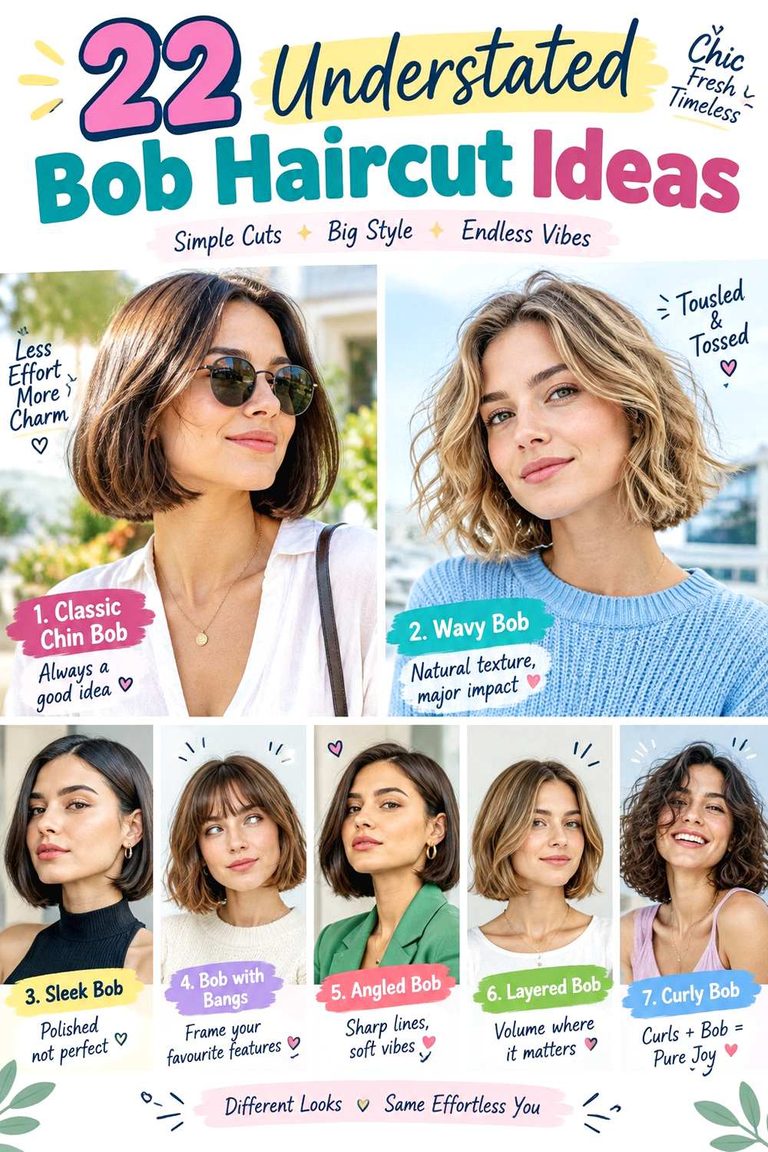
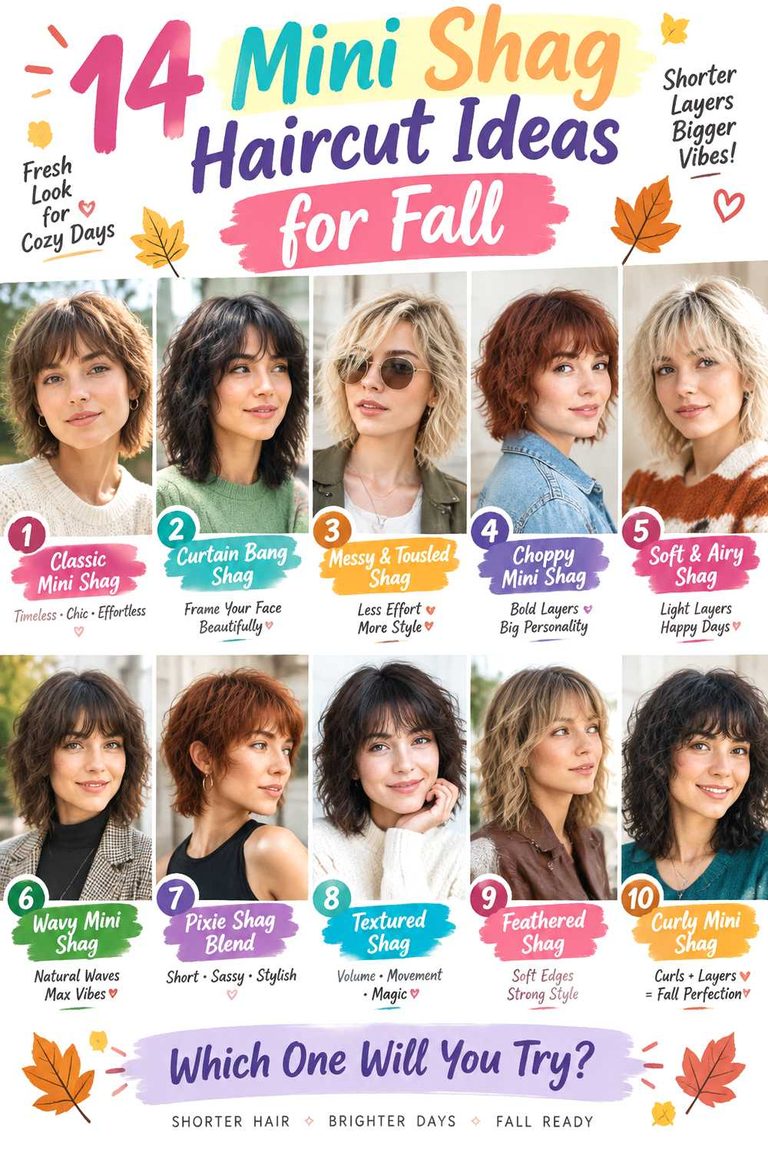
20 Kicked Out Bob Haircut Ideas

A kicked out bob is defined by ends that turn away from the neck rather than curving underneath. That outward bend can be subtle and polished or more obvious and playful, depending on the haircut, layers, texture, and styling. Most versions sit between the jaw and shoulders, although the shape also works on a longer bob. Bangs, face-framing pieces, side parts, and different amounts of crown volume can change the overall balance considerably.
Straight and softly wavy hair can usually create the flipped finish with a round brush or hot tool, while naturally curly hair needs a cut adapted to its curl pattern and shrinkage. Fine hair often benefits from a stronger perimeter with limited layering. Thick hair may need internal weight removal so the ends can move without becoming bulky.
Daily styling ranges from a quick end refresh to a fuller blow-dry, depending on how polished you want the kick to appear. Before choosing among these kicked out bob haircut ideas, consider your natural texture, density, preferred length, tolerance for heat styling, and how often you are comfortable reshaping the cut at the salon.
Quick List
- Classic Chin-Length Kicked Out Bob
- Kicked Out Bob With Curtain Bangs
- Kicked Out Bob With Wispy Fringe
- Sleek Center-Part Kicked Out Bob
- Side-Part Kicked Out Bob With Volume
- Layered Kicked Out Bob With Feathered Ends
- Blunt Kicked Out Bob With Full Ends
- Textured Kicked Out Bob for Fine Hair
- Airy Kicked Out Bob for Thick Hair
- Wavy Kicked Out Bob With Flipped Ends
- Curly Kicked Out Bob With Soft Kick
- Jaw-Length Kicked Out Bob
- Collarbone Kicked Out Long Bob
- Kicked Out French Bob With Short Fringe
- Kicked Out Bob With Cheekbone Face Frame
- Kicked Out Bob With Deep Side Bangs
- Rounded Kicked Out Bob With Crown Lift
- Shaggy Kicked Out Bob With Piecey Layers
- Polished Kicked Out Bob With Glossy Finish
- Low-Maintenance Kicked Out Bob With Natural Texture
Classic Chin-Length Kicked Out Bob

A chin-length perimeter makes the outward flip easy to see without relying on heavy layering. The body stays relatively smooth through the sides, then bends away from the jaw at the last inch or two, creating a clean but lively outline. Straight to slightly wavy hair with medium density is especially easy to manage at this length, while fine hair can keep more weight through the bottom for a fuller appearance. The finish suits anyone who prefers a short haircut that can still be reshaped quickly in the morning. Use heat protectant, a medium round brush, and flexible hairspray to direct the ends outward without making them stiff. Styling is moderate after washing but usually needs only a quick end refresh the next day. Trimming the perimeter regularly keeps the kick intentional rather than uneven. At the salon, ask for a chin-level baseline with minimal graduation and enough density left at the ends to support the flip.
Pro tip: Blow-dry the final two inches over the round brush in the opposite direction from an underturned bob; concentrating only on the ends keeps the sides from becoming too round.
Kicked Out Bob With Curtain Bangs

Curtain bangs soften the front of a kicked out bob by creating movement in two directions: the fringe sweeps away from the face while the bob ends turn outward below. Keeping the shortest bang pieces around the brows and gradually blending them toward the cheekbones gives the fringe room to separate naturally. Medium-density straight or wavy hair usually holds this shape well, and the opening of the fringe can be adjusted wider or narrower for different face shapes. Expect a little more front-section maintenance than a bob without bangs. A small round brush, lightweight mousse, and dry texturizing spray are useful for restoring lift without making the fringe greasy or heavy. Most mornings only require five to ten minutes around the bangs and ends. The curtain section may need reshaping before the rest of the haircut. When speaking with your stylist, specify where the shortest bang point should land and ask for a gradual connection into the side layers instead of a disconnected fringe.
Pro tip: Dry curtain bangs forward first, then split them and sweep each side back; this gives the roots lift while keeping the center from opening too widely.
Kicked Out Bob With Wispy Fringe
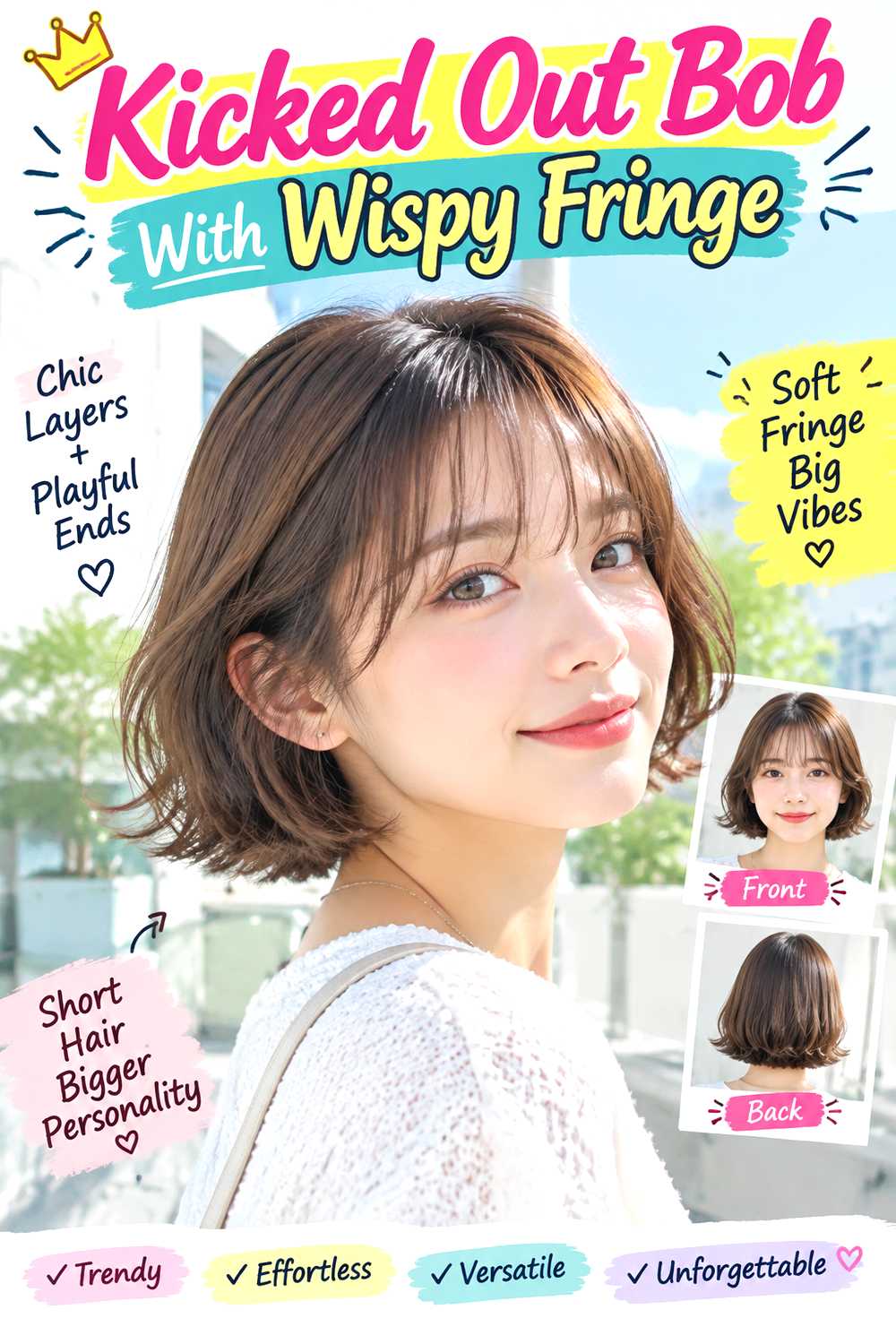
A light fringe gives the kicked out shape a softer upper edge without covering the forehead heavily. Individual bang pieces can skim the brows while the bob remains fuller around the jaw and flips outward at the bottom. This balance works particularly well for fine to medium hair because the fringe does not remove a large amount of density from the front. Straight hair can be styled with very little effort, while softly wavy hair may need a brief fringe blow-dry before letting the rest keep its natural movement. Use a lightweight volumizing spray, a small round brush, and flexible-hold hairspray rather than rich products that could separate the bangs into oily-looking sections. Styling is fairly quick, although wispy fringe often needs refreshing after sleep or humid weather. Ask your stylist to keep the fringe intentionally light but not overly thinned, with enough longer pieces near the temples to connect it to the bob. Frequent tiny bang trims help preserve the airy line.
Pro tip: Apply styling product to the brush rather than directly onto a wispy fringe; the smaller amount helps keep individual strands soft and movable.
Sleek Center-Part Kicked Out Bob

A precise center part puts the emphasis on symmetry, smooth texture, and the clean outward bend at the ends. Rather than adding lots of layers, this bob keeps the lengths controlled so both sides mirror each other and the flipped perimeter becomes the main feature. It is easiest on straight or lightly wavy hair, especially medium-density strands that can hold a smooth finish without excessive bulk. A heat protectant, flat iron, and light smoothing serum are the most useful supplies: straighten the mid-lengths, then rotate the iron slightly outward near the bottom. The routine takes moderate time on wash day but is easy to touch up in small sections afterward. Humidity can soften the sleek effect, so frizz-prone hair may need extra smoothing around the surface. At your appointment, ask for a balanced perimeter and minimal visible layering, with both front corners checked while the hair sits in its natural center part.
Pro tip: Start the outward rotation only near the last inch of hair; flipping too high creates a rounded side shape instead of a crisp kicked-out finish.
Side-Part Kicked Out Bob With Volume

Moving the part off-center immediately adds height to one side of the bob, which works well with a fuller, bouncier interpretation of kicked-out ends. The top should stay lifted rather than flat, while the lower section turns outward to keep the silhouette from looking too rounded. Fine and medium-density hair can benefit from the extra root height, and a strategic side part can also change how width and volume sit around the face. Start with volumizing spray at the roots, use a large round brush through the upper sections, and finish with light-hold hairspray. Styling takes moderate blow-dry effort, but the shape can often be revived by switching the part and reheating only the front and ends. Avoid excessive thinning because sparse ends will not support the visible kick. Ask the stylist to preserve perimeter weight while adding subtle elevation near the crown and front. If your hair naturally falls strongly to one side, have the cut checked in that habitual part rather than forcing symmetry.
Pro tip: Set the front section briefly in the opposite direction from your usual part while it cools, then flip it back for noticeably more root lift without teasing.
Layered Kicked Out Bob With Feathered Ends
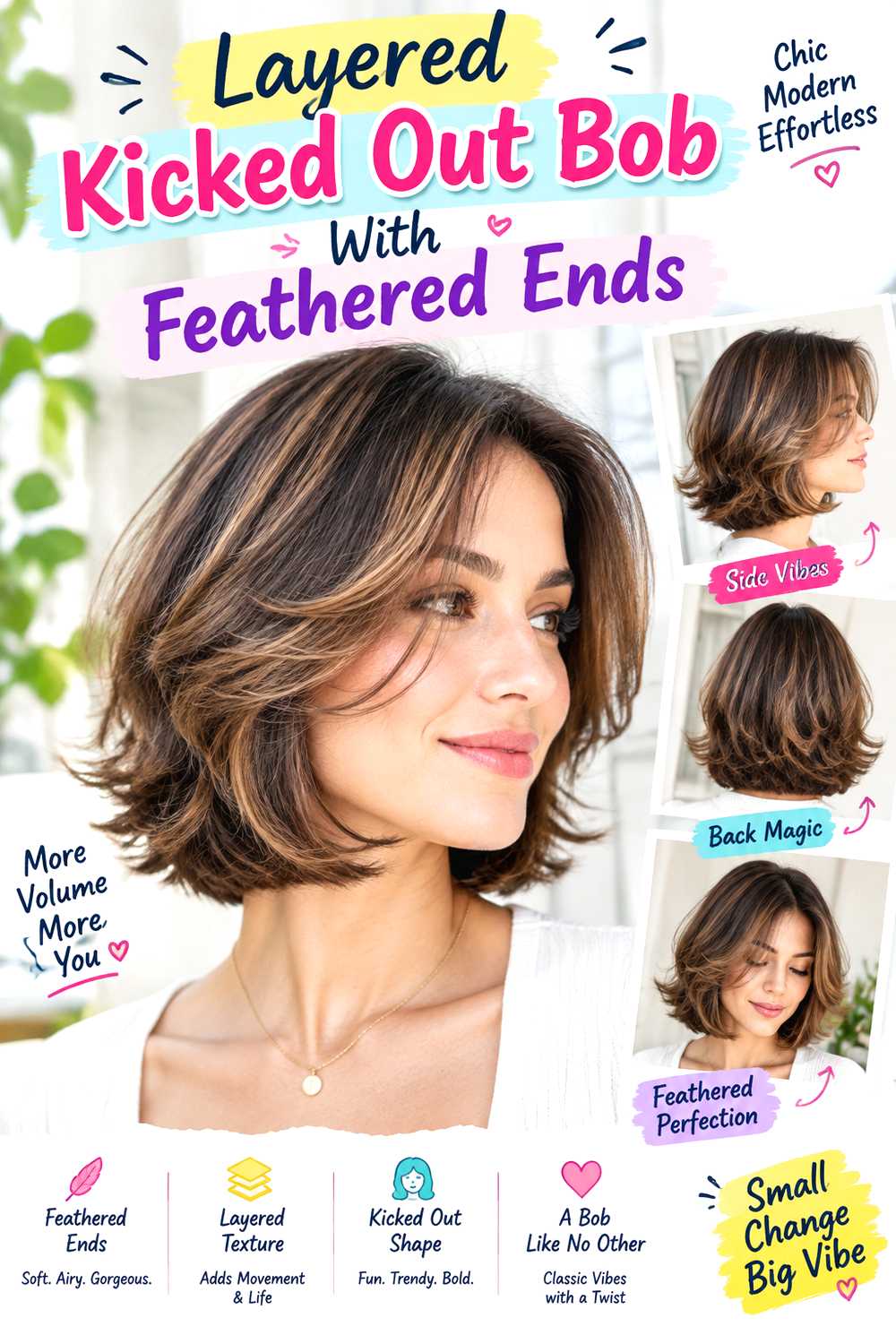
Feathered layers make the flipped finish less uniform, allowing several sections to kick outward at slightly different heights. Instead of one solid bend along the perimeter, the ends separate into soft, tapered pieces that create movement around the neck and jaw. Medium to thick hair often carries this cutting approach well because there is enough density to layer without making the bottom sparse. Straight and wavy textures can both work, although wavy hair may produce a more irregular, lived-in flick. A heat protectant, vented round brush, and light texturizing spray help emphasize separation without coating the ends. Expect a moderate styling routine after washing and an easy refresh once the layers have their shape. As the haircut grows, the feathering can start to collapse, so a layer reshape may matter more than a simple perimeter trim. Tell your stylist to begin the noticeable layering above the ends but keep enough weight through the bottom to avoid a thin, wispy outline.
Pro tip: Alternate the angle of a few flipped pieces around the face rather than curling every section identically; the feathering will appear softer and less set.
Blunt Kicked Out Bob With Full Ends
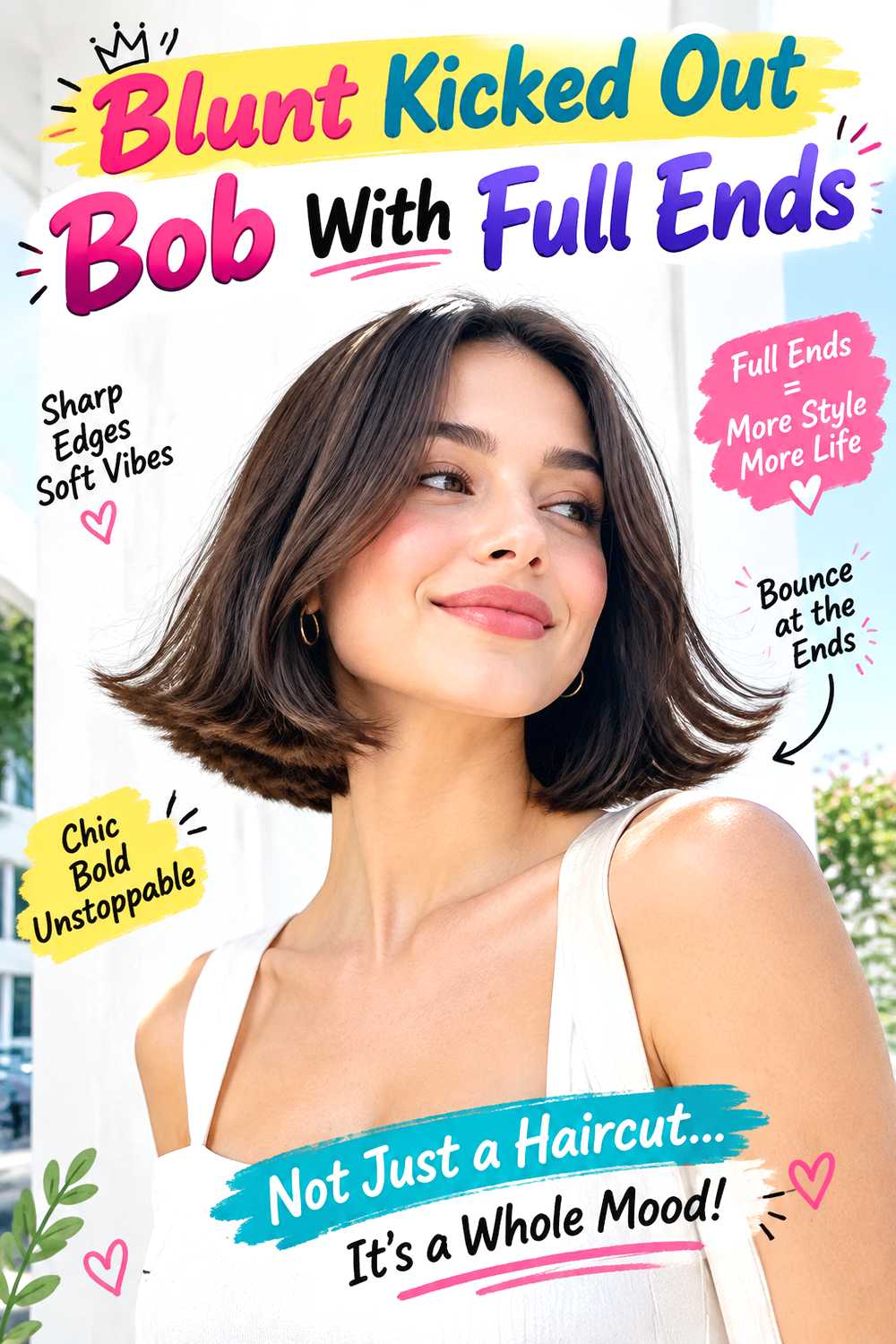
Keeping the bob blunt gives the outward kick a strong, graphic edge. Most of the density remains at the perimeter, so the ends form a clear line before turning away from the neck. Fine hair can particularly benefit from this structure because excessive layering may make the bottom appear thinner, while medium-density straight hair can create an equally clean result. Styling is straightforward: apply heat protectant, dry with a paddle brush for smoothness, then use a flat iron to flick only the lower edge outward. The process is relatively quick because there are few layers to shape individually. A blunt baseline does show uneven growth sooner, so regular trims help maintain the intentional line. Thick hair can still wear the cut, but discreet internal bulk removal may be needed to prevent a triangular silhouette. At the salon, request minimal external layering and explain that you want the perimeter to stay visibly dense rather than softened heavily with thinning shears.
Pro tip: If your hair is fine, keep texturizing away from the bottom half-inch; preserving that edge gives the flip a stronger and fuller-looking base.
Textured Kicked Out Bob for Fine Hair

Fine hair needs texture without losing the density that makes a bob feel substantial. Here, subtle surface movement and a few carefully placed layers create separation, while the perimeter remains strong enough to flick outward. A slightly tousled finish also means every strand does not need to lie perfectly in place, which can make daily styling more forgiving. Start with lightweight mousse for body, use a small-to-medium round brush to lift the roots and turn out the ends, then add dry texture spray sparingly through the mid-lengths. The routine is quick to moderate and often needs only a short root and end refresh on non-wash days. Too many short layers can expose scalp or thin the bottom, so restraint matters. This shape works on straight and gently wavy fine hair, with the part adjusted wherever natural lift is strongest. Ask your stylist for limited layering above the perimeter and no aggressive thinning. The goal is movement on the surface, not reduced density throughout.
Pro tip: Spray texturizer underneath the top layer instead of coating the entire surface; hidden grip creates lift while keeping fine ends from looking dry.
Airy Kicked Out Bob for Thick Hair
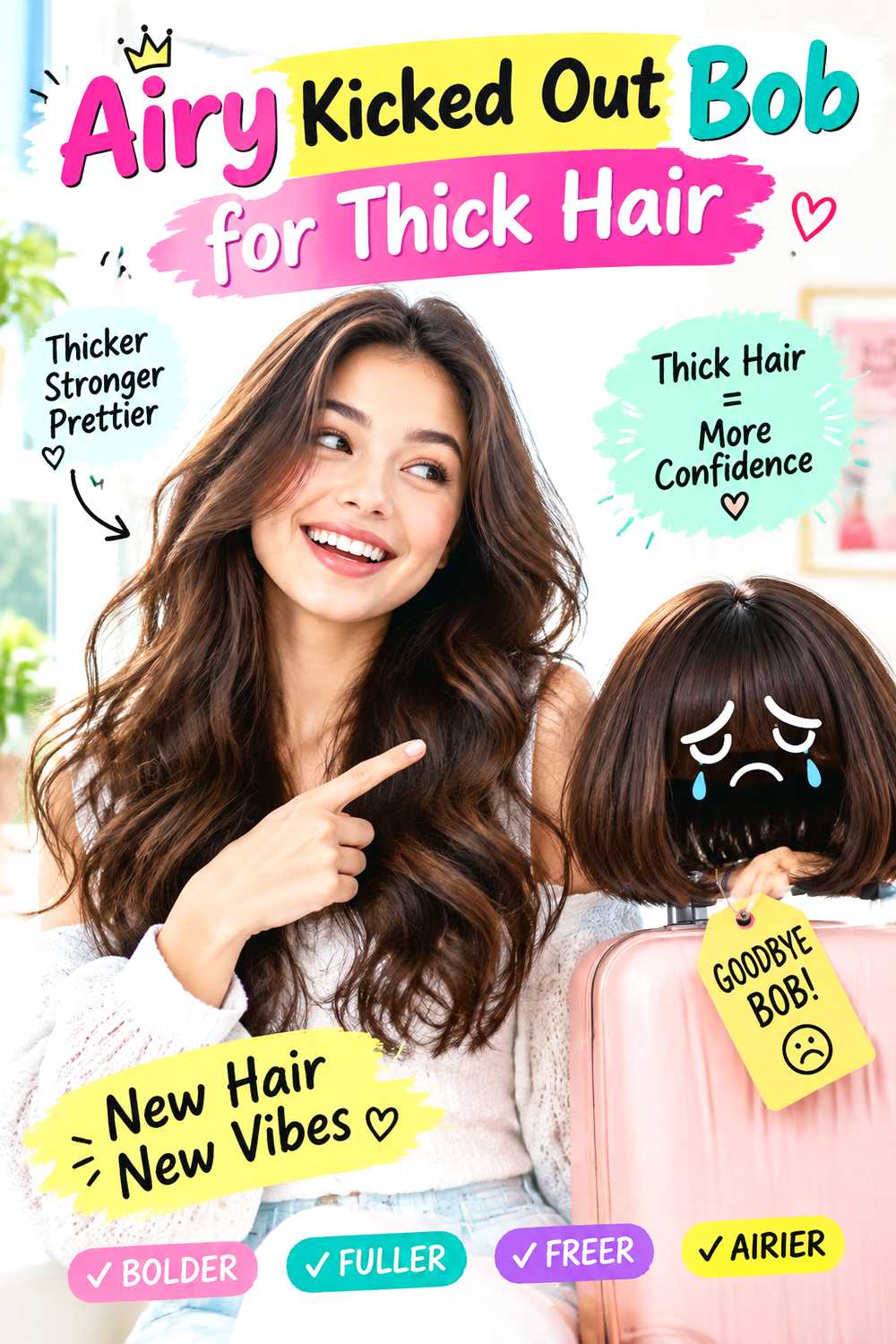
Thick hair can create a strong kicked-out bob, but removing weight in the right places is important if you want movement rather than a bulky triangle. The visible perimeter should still feel substantial, while internal sections are softened so the ends can turn outward without stacking heavily around the jaw. Straight, wavy, and coarse textures can all use this approach, although naturally wavy hair may need less deliberate heat styling. Apply an anti-frizz cream, work through with a wide-tooth comb, and use a large round brush to smooth and redirect the ends. Wash-day styling may take more time because of the density, but the shape can stay usable for several days with simple end touch-ups. Avoid heavy thinning directly along the bottom; it can make the finish fuzzy instead of airy. At the salon, ask for internal bulk removal beneath the surface while preserving the external perimeter. The stylist can also adjust face-framing to prevent excessive width around the cheeks.
Pro tip: Have the hidden weight removed from areas that actually feel bulky rather than requesting thinning everywhere; targeted debulking keeps thick ends controlled without making them frayed.
Wavy Kicked Out Bob With Flipped Ends
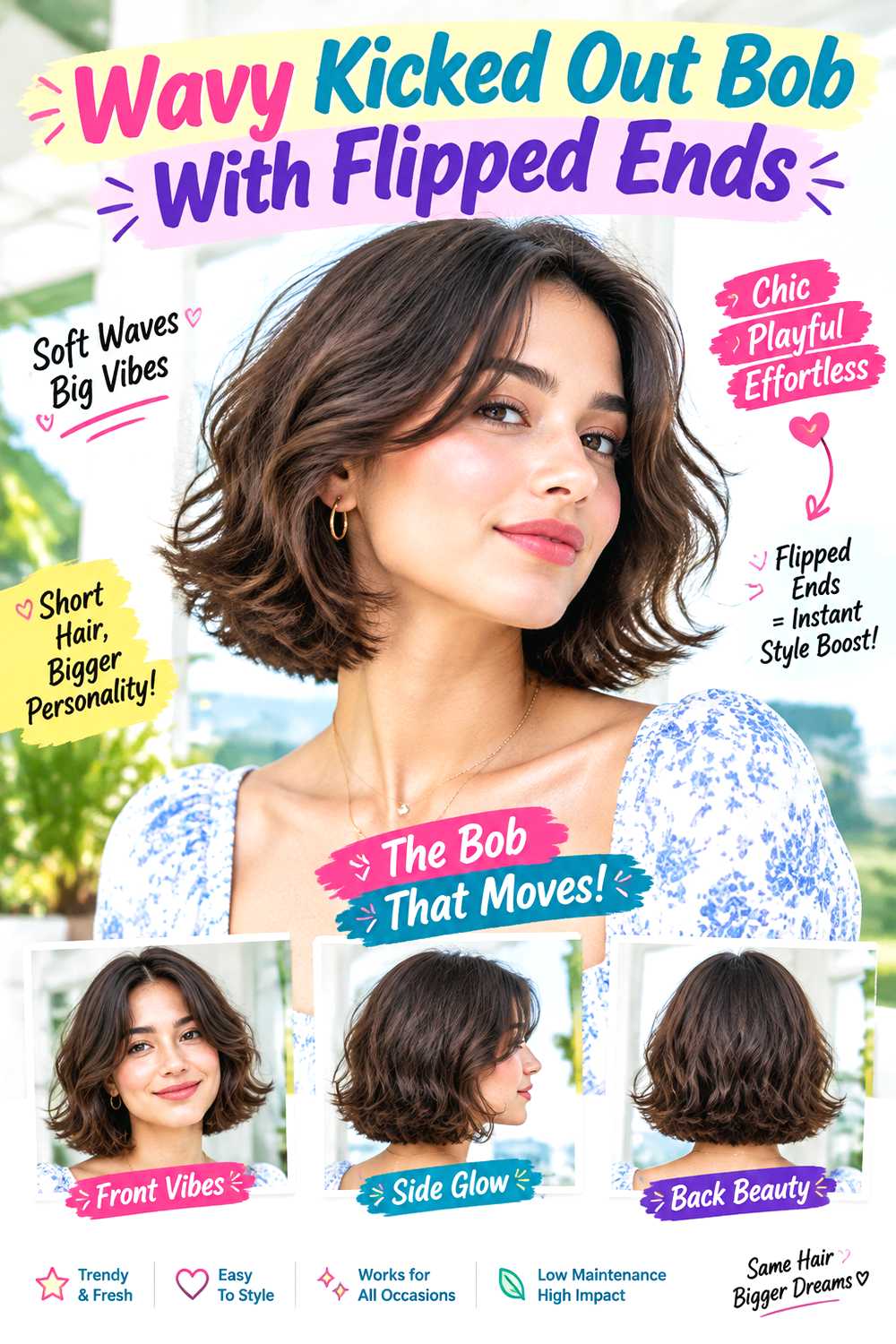
Natural or created waves give a kicked out bob movement through the entire length instead of saving all the shape for the perimeter. Loose bends travel through the mid-lengths, while the final sections turn outward in a more obvious flick. Medium-density wavy hair is particularly suited to this relaxed pattern because its existing texture can do much of the styling work. Use a leave-in conditioner for softness, a light curl cream to encourage wave formation, and a diffuser if air-drying leaves the roots flat. Styling takes more attention on wash day but can be easy to refresh afterward with damp hands and a small amount of product. If your waves shrink noticeably, the wet cutting length should account for that change. Avoid layers that are so short they make the sides excessively wide. Ask the stylist for gentle layering that supports the wave pattern and a perimeter long enough to show a distinct outward kick after drying.
Pro tip: Encourage the last wave to bend away from the face by finger-coiling only the ends outward while damp; you can create the kick without reshaping the entire wave pattern.
Curly Kicked Out Bob With Soft Kick

On curly hair, the kicked-out effect comes from curl direction rather than a perfectly uniform flipped line. Selected curls around the perimeter naturally spring away from the neck, giving the bob a lively lower edge while preserving definition through the rest of the shape. Medium to thick curly hair usually has enough body to support this effect, but the final length must be judged after shrinkage. A leave-in conditioner, curl cream, and diffuser are more useful than repeatedly straightening and recurling the hair. Wash-day styling takes some time for definition, while later refreshes can be quick if individual perimeter curls are re-wet and reshaped. Layer placement is especially important: too much bulk at the bottom may hide the outward movement, while overly short layers can create unwanted width. Ask for curl-by-curl consideration around the perimeter and explain that several lower curls should finish away from the neck. Dry shaping can help confirm the actual silhouette.
Pro tip: Photograph your curls fully dry before the appointment so your stylist can see shrinkage and the natural direction of the perimeter curls rather than judging only wet length.
Jaw-Length Kicked Out Bob

A jaw-length bob creates a compact silhouette where the outward ends sit close to the face rather than resting on the shoulders. Because the haircut is short, even a small flick at the bottom becomes noticeable. Straight to slightly wavy hair is easiest to control at this length, and medium or fine density can maintain a neat perimeter without excessive bulk. The exact jaw position can also be shifted slightly higher or lower depending on where you prefer the horizontal line to sit. Use heat protectant, a narrow flat iron, and a small amount of serum to smooth the lengths and curve the ends outward. Styling is generally quick, though shorter pieces can react noticeably to humidity or sleep. Frequent perimeter reshaping keeps the bob from drifting into an awkward in-between length. At the salon, point to the exact jaw area where you want the baseline and request careful balance around the ears and front corners.
Pro tip: Check a reference photo from both the front and side; on a short bob, the position of the front corner affects the shape as much as the flipped ends do.
Collarbone Kicked Out Long Bob

Extra length creates a softer interpretation of the kicked-out bob, with the outward bend landing near the collarbones instead of close to the jaw. The longer perimeter has more swing, and gentle layers can stop the lower section from feeling heavy. Straight, wavy, and medium-thick hair all work well, especially for someone who wants the idea without committing to a very short cut. A large-barrel curling iron can create the flip quickly, paired with heat protectant and a lightweight finishing serum for smooth ends. Styling is moderate because there is more hair to work through, though the longer pieces are usually easy to pull back between styling days. Trims can be slightly less frequent than with a jaw-length bob, but the layers may need reshaping once movement starts to disappear. Ask the stylist to keep the baseline near the collarbone and start any long layers low enough that the haircut still reads as a bob rather than a heavily layered cut.
Pro tip: Curl only the lowest few inches outward and leave the mid-lengths relaxed; this keeps the longer bob swinging instead of turning into a full retro flip.
Kicked Out French Bob With Short Fringe

A short fringe changes the proportions of a kicked out bob by exposing more forehead while keeping the lower outline compact. The bangs usually sit above or around the brows, and the bob can finish near the jaw with its ends lightly flicked away from the neck. Straight and softly wavy textures are easiest for maintaining a defined fringe, although stronger waves can work when extra shrinkage is allowed. Because the bangs are short, they require more attention as they grow. Keep a small round brush, light styling cream, and flexible hairspray available for quick morning reshaping. The bob itself can be simple to style, but fringe maintenance makes the overall routine slightly more involved. Avoid cutting the bangs too dense if your front hairline naturally separates. At the salon, be specific about the shortest dry fringe length and whether you want a straight or softly broken edge. The bob perimeter should remain substantial enough to contrast with the lighter movement at the tips.
Pro tip: Decide on fringe length using dry hair, especially with waves; even a small amount of shrinkage can make short bangs sit noticeably higher than expected.
Kicked Out Bob With Cheekbone Face Frame

Face-framing pieces beginning around the cheekbones add movement before the eye reaches the flipped bob perimeter. The shorter front sections can sweep backward while the main length remains near the jaw or upper neck, creating two distinct layers of outward direction. Medium-density straight or wavy hair tends to hold this shape easily, and the starting point of the face frame can be moved lower if you prefer less width around the cheeks. A round brush, heat protectant, and lightweight finishing spray are enough for most styling. Focus the blow-dry on the front pieces and ends rather than rebuilding the entire haircut each morning, making daily upkeep fairly quick. As the front grows, the shape becomes softer and may remain wearable for some time before a full reshape. Ask your stylist to begin the shortest face-framing section at the chosen cheekbone point and blend it gradually into the bob without hollowing out the front perimeter.
Pro tip: In your reference photo, point to exactly where the shortest face-frame touches the face; “cheekbone length” can mean different positions depending on the person and angle.
Kicked Out Bob With Deep Side Bangs
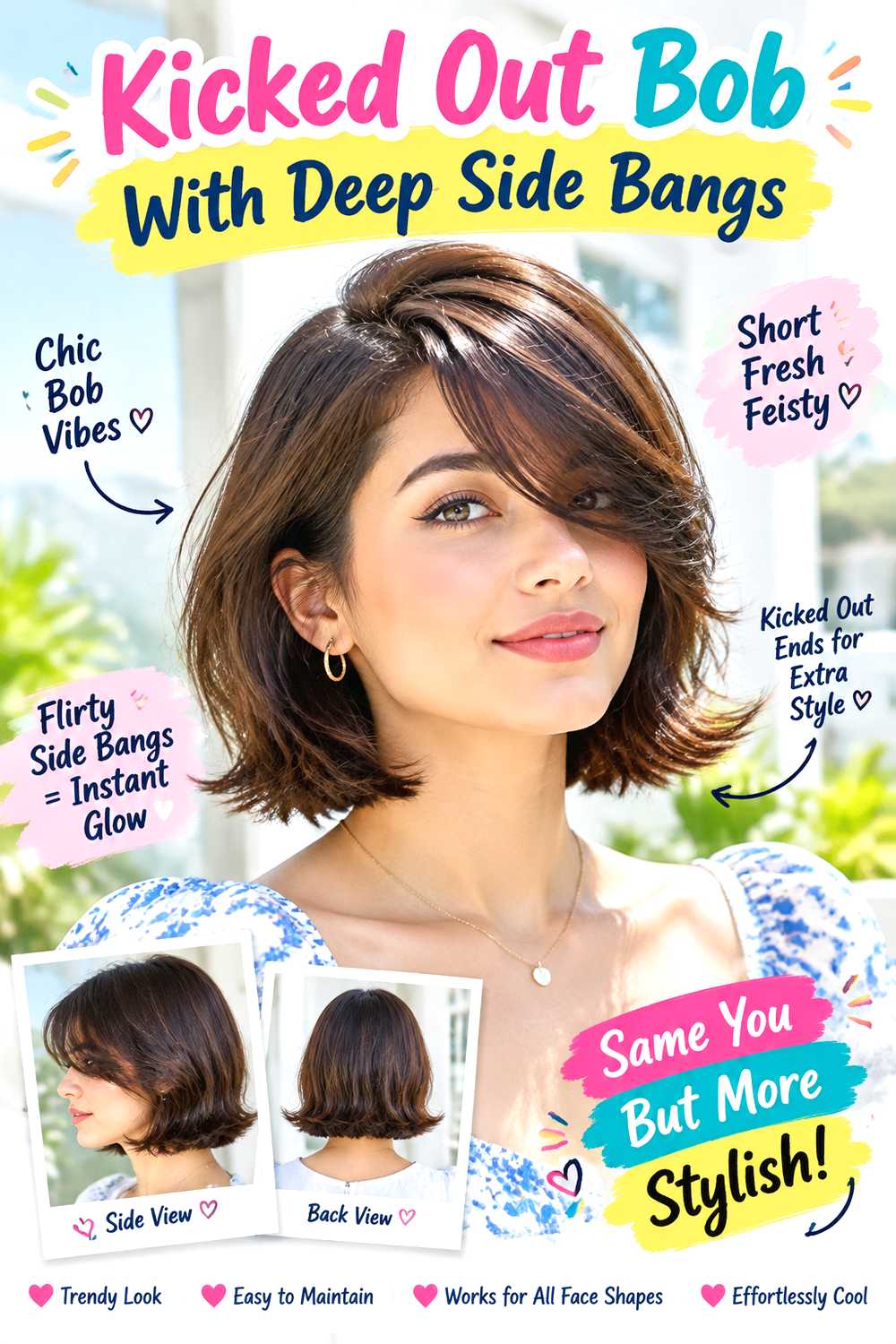
Long side bangs bring asymmetry to the kicked-out bob and create a sweeping line across the forehead before blending into the fuller side. A deeper part produces more dramatic movement, while keeping the fringe long enough to tuck or sweep makes it easier to grow out. Straight, wavy, and medium-to-thick hair can support the shape, although very fine hair may prefer a slightly shallower part so too much density is not moved to one side. Use volumizing spray near the front roots, a large round brush for the side bang, and light hairspray to hold the sweep without freezing it. Styling takes moderate effort after washing but is usually fast to refresh. Fringe trims can be less frequent than with short bangs, though the blend needs attention once it falls past the cheek. Ask your stylist for a deep part that follows your natural growth pattern and a side fringe long enough to merge smoothly into the front corner of the bob.
Pro tip: Blow-dry the side bang briefly toward the opposite side before sweeping it back; the change in direction builds lift at the root without heavy product.
Rounded Kicked Out Bob With Crown Lift

Crown lift gives the bob a fuller upper silhouette before the ends change direction and flick outward. The contrast is important: the top stays softly rounded, but the perimeter does not curl under. Fine to medium-density hair that tends to sit flat can benefit from this distribution of volume, while thick hair may need reduced internal weight so the crown does not become too large. Work volumizing mousse into the roots, use a round brush to elevate sections at the crown, and finish with a light setting spray. Wash-day styling takes moderate effort, though second-day volume can often be restored by reheating only the top sections. Short crown layers can create lift, but cutting them too aggressively may produce pieces that stick up or become difficult to blend. Ask your stylist for subtle elevation in the upper layers while keeping the bob perimeter strong. The crown shape should connect smoothly into the sides instead of forming a separate cap.
Pro tip: Let each crown section cool while lifted away from the scalp before releasing it; cooling in position helps volume last longer than adding extra hairspray afterward.
Shaggy Kicked Out Bob With Piecey Layers

Piecey layering gives a kicked out bob a rougher, more separated finish than a polished blunt cut. Different sections flick away from the head at slightly different points, while shorter internal layers encourage movement through the crown and sides. Naturally wavy medium-density hair is especially well suited because the existing bends add to the shaggy texture, but straight hair can create the same separation with styling. Apply texturizing mousse, rough-dry with your fingers, then use a small curling iron on only a few selected pieces. Styling is moderate when starting from straight hair and considerably quicker when natural texture already supports the shape. The haircut can grow out softly, although the movement will flatten once the layers become too long. Avoid over-thinning the ends, which can turn the deliberate piecey finish into frizz. Ask for visible but connected layers, with the shortest pieces chosen according to where you want crown or side volume rather than cut uniformly throughout.
Pro tip: Leave some sections straighter than others when styling; deliberately uneven bends make piecey layers read as textured rather than overly curled.
Polished Kicked Out Bob With Glossy Finish

Smooth surface texture makes the flipped perimeter the clear focal point of this polished bob. Flyaways are controlled, the mid-lengths stay straight or softly curved, and the ends sweep outward in a consistent direction. Straight to slightly wavy hair usually reaches this finish most easily, although frizz-prone textures can achieve it with more preparation and heat control. Use a thermal protectant before styling, a flat iron or heated round brush for alignment, and a small amount of shine serum on the finished lengths. The routine requires more time than a tousled bob because uneven bends are more visible, but later touch-ups can be limited to the surface and perimeter. Regular trims also matter because dry or split ends are easier to notice on a glossy finish. At the salon, request clean, healthy-looking ends with minimal over-texturizing and enough perimeter weight for a uniform flip. Any layers should blend smoothly rather than appear deliberately piecey.
Pro tip: Rub one drop of serum between your palms before touching the ends; concentrated product applied directly can collapse the kick and make the perimeter look oily.
Low-Maintenance Kicked Out Bob With Natural Texture

Natural bends do not need to be perfectly uniform for a kicked out bob to work. A low-maintenance approach keeps the cut compatible with the hair’s existing texture, allowing some ends to turn outward more strongly while others remain softly wavy. Slightly wavy or loosely curly hair is ideal for reducing heat use, though straight hair with natural bends can also suit the relaxed finish. Apply leave-in conditioner, scrunch in a light styling foam, and use a diffuser only where extra definition or root lift is needed. Wash-day styling takes some attention, but daily refreshing can be as simple as dampening a few perimeter pieces. The right haircut matters more than creating a flawless blowout. Heavy sections may need discreet weight removal, while fine hair should retain enough density at the bottom. Ask your stylist to assess the haircut in its naturally dried state and place layers according to your real wave pattern instead of designing the entire shape around straightened hair.
Pro tip: Take a reference photo of your own air-dried texture to the salon; it helps show which sections naturally flip outward and where the cut should support that movement.
Conclusion
These 20 kicked out bob haircut ideas show how much the basic flipped-end shape can change through length, fringe, layers, density, texture, parting, and finish. A blunt perimeter gives a stronger kick, while feathering and natural waves create softer movement. Bangs can be short, wispy, side-swept, or curtain-shaped, and volume can sit at the crown, roots, or ends depending on the balance you prefer. Fine hair often benefits from preserving perimeter weight, while thick hair may need carefully placed internal bulk removal. The best option depends on your face shape, natural texture, density, maintenance preference, and usual styling routine. Focus first on the cut that works with your hair, then decide how polished or relaxed you want the outward flip to be.
Choose Your Favorite
Choose one or two favorite ideas and save clear photo references from more than one angle. When you meet your stylist, discuss your face shape, natural texture, density, preferred length, maintenance level, and normal styling routine. Point directly to the layers, fringe length, face-framing position, amount of volume, flipped ends, or finish you want. Being specific about those details is more useful than asking for a kicked out bob without explaining which version caught your attention.
FAQs
Can a kicked out bob work on fine hair?
Yes. Fine hair often does best with a stronger perimeter and restrained layering. Keeping density through the ends gives the outward flip more substance, while lightweight products can add root lift without weighing the hair down.
Do kicked out bobs require daily heat styling?
Not always. Straight hair may need a quick round-brush or flat-iron flick, while naturally wavy or curly hair can use its existing movement. A more polished, uniform flip generally requires more heat than a relaxed textured finish.
How often should a kicked out bob be trimmed?
Shorter jaw- or chin-length versions usually need reshaping sooner because growth changes the outline quickly. Longer bobs can often go longer between trims, but bangs or short face-framing pieces may need separate maintenance.
Can thick hair wear a kicked out bob without becoming bulky?
Yes, provided the weight is managed carefully. Internal bulk removal can create movement while keeping the visible perimeter strong. Ask your stylist to avoid excessive thinning at the ends, which may leave thick hair looking frizzy rather than controlled.