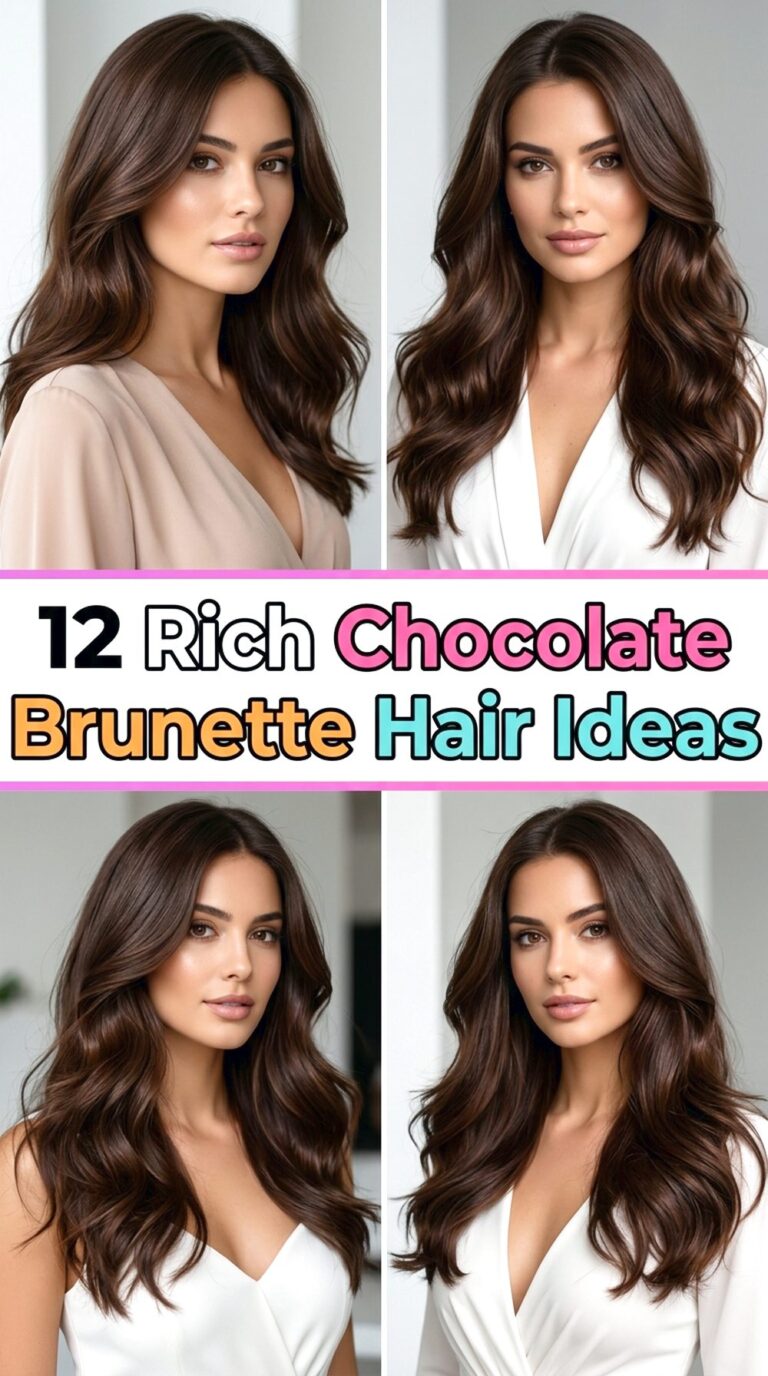
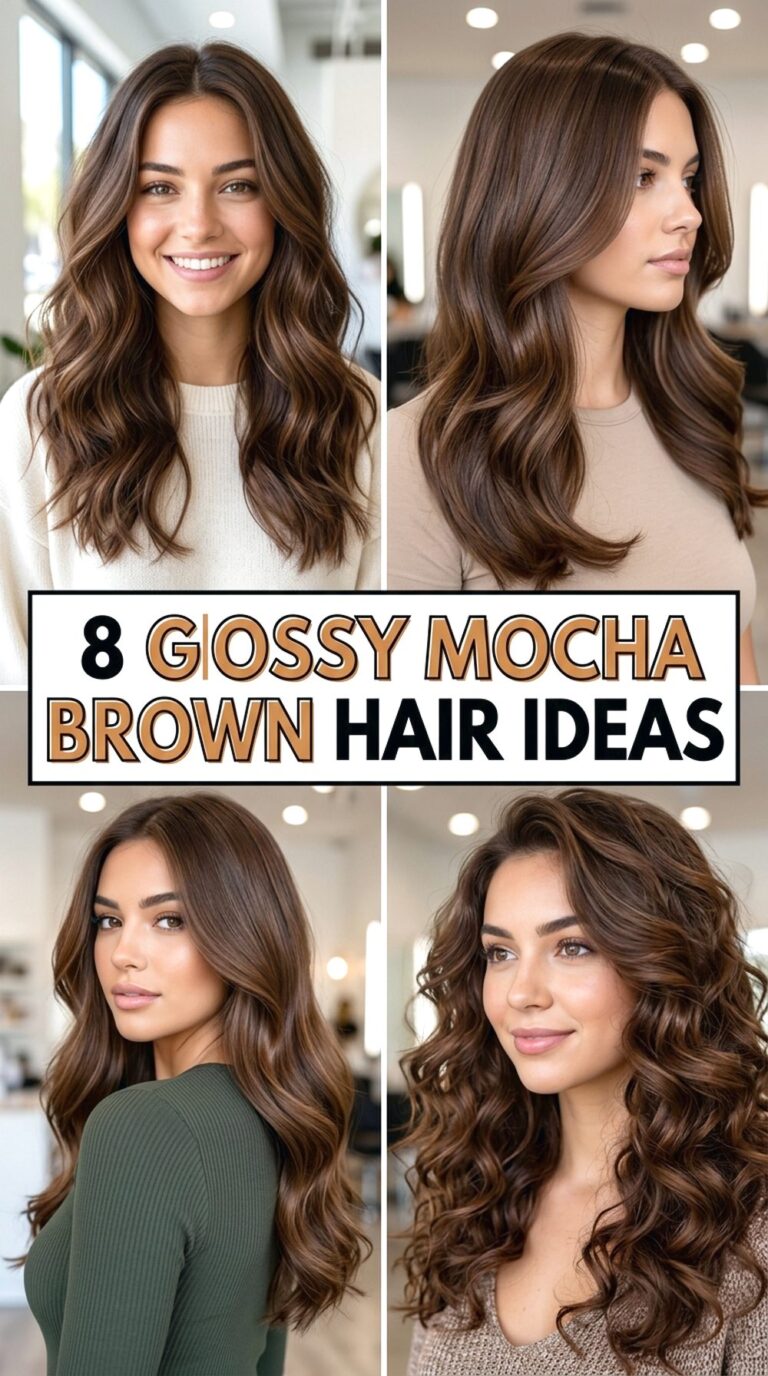
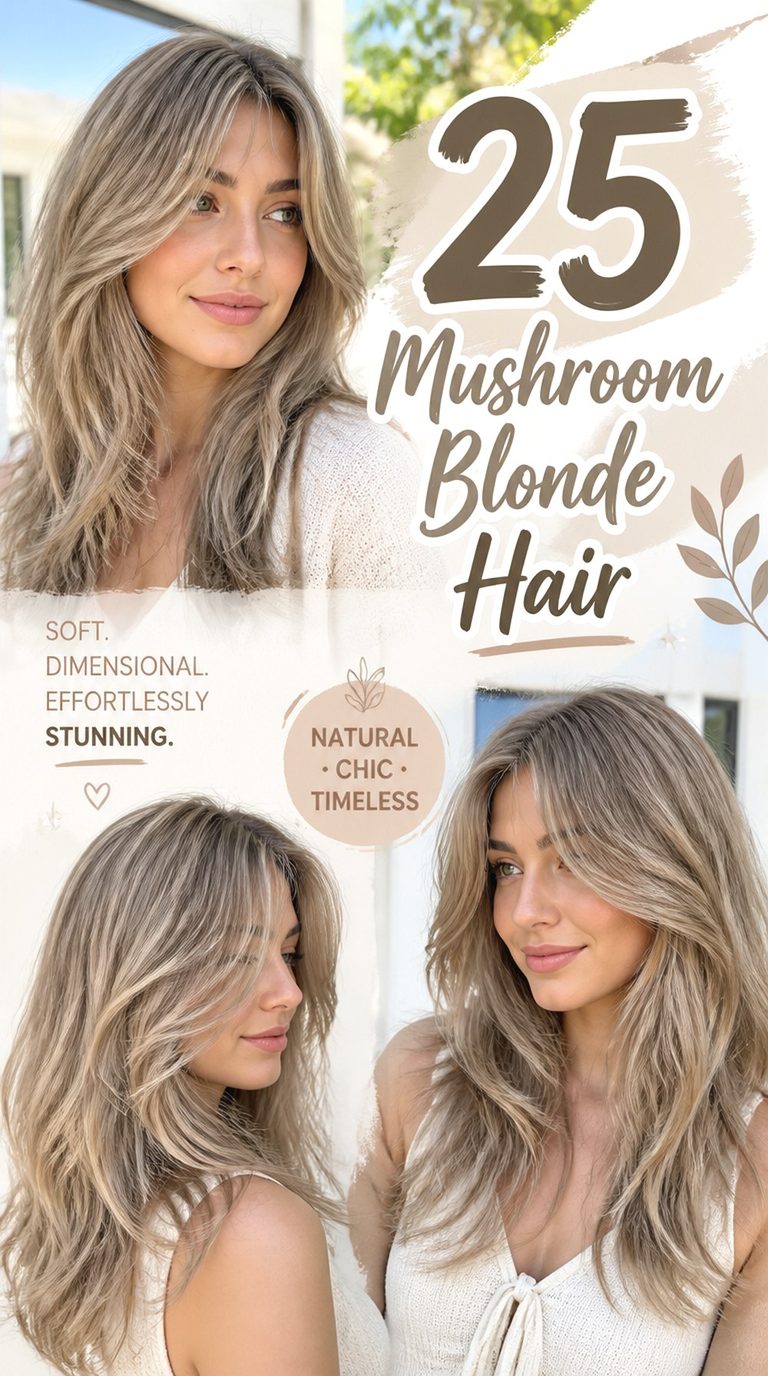
12 Greige Brunette Hair Color Ideas

Greige brunette combines the depth of brown with muted gray, taupe, mushroom, and beige tones. It sits between traditional brunette and cool beige, giving the hair dimension without the strong gold of caramel or the silver cast of very ashy color. Depending on placement, greige can appear as a soft balayage, shadow-root melt, delicate babylights, face-framing brightness, or an understated all-over brunette blend.
The effect changes with hair type and density. Fine hair often benefits from narrow ribbons and preserved root depth, which keep the color dimensional without making the ends look thin. Medium and thick hair can support stronger lowlights, broader panels, and more internal contrast. Waves and curls reveal different shades naturally, while straight hair makes tonal transitions easier to see.
Greige brunette does require realistic upkeep. Cool pigments can fade and reveal underlying warmth, especially on previously lightened hair. Color-safe shampoo, occasional blue or violet toning, moisture, and heat protection can help. Before choosing a shade, consider your natural base, existing color, hair condition, preferred length, parting, and how often you want to return for gloss or toner appointments.
Greige Brunette Hair Color Ideas: Quick List
- Soft Greige Brunette Balayage Hairstyle
- Greige Brunette With Shadow Root Hairstyle
- Smoky Greige Brunette Bob Hairstyle
- Greige Brunette Face Frame Hairstyle
- Mushroom Greige Brunette Blend Hairstyle
- Ash Beige Greige Brunette Waves Hairstyle
- Dark Greige Brunette Melt Hairstyle
- Greige Brunette Babylights Hairstyle
- Greige Brunette With Lowlights Hairstyle
- Cool Greige Brunette on Long Layers Hairstyle
- Greige Brunette Money Piece Hairstyle
- Low-Maintenance Greige Brunette Ombre Hairstyle
Soft Greige Brunette Balayage

Soft balayage is an easy way to introduce greige tones while keeping plenty of natural brunette depth. Fine taupe and beige-brown ribbons begin below the root, become more visible around the cheekbones, and brighten gradually through the ends. The result looks especially dimensional on shoulder-length or long hair with loose movement. Fine and medium-density hair suit this placement because untouched brown between the highlights helps preserve fullness; thicker hair can use a few broader interior sections so the lighter color does not disappear. Use a color-safe shampoo, heat protectant, and lightweight shine serum to keep the surface smooth. Styling is easy to moderate, with loose waves showing the balayage most clearly. Grow-out is generally soft, although the cool toner may need refreshing before the highlights do. At the salon, ask for diffused hand-painted ribbons with no harsh line near the scalp and for the brightest greige pieces to remain concentrated around the face and lower lengths.
Pro tip:
Leave visible sections of natural brunette between the lightened ribbons. That darker spacing creates more dimension than simply adding extra highlights everywhere.
Greige Brunette With Shadow Root

A shadow root gives greige brunette a deeper, more forgiving starting point. The first inch or two stays close to natural brown, then melts into muted taupe and beige through the mid-lengths. This creates a soft gradient instead of a clear line between regrowth and color. It works particularly well for medium and thick hair, though fine hair can use a lighter shadow so the crown does not appear too dense. Straight and softly wavy textures both show the blend clearly. A moisturizing color-safe cleanser, occasional blue-toning mask, and blow-dry brush are useful for maintaining a smooth, reflective finish. Styling is fairly quick because the root already provides visible depth; a simple bend through the front is usually enough. Toner may need refreshing as warmth returns, while the root itself can grow longer between appointments. At the salon, ask for the shadow root to sit close to your natural level and dissolve gradually into the greige lengths rather than forming a dark band.
Pro tip:
If easy grow-out matters, avoid making the shadow root dramatically darker than your natural color. Too much depth can create another maintenance line.
Smoky Greige Brunette Bob
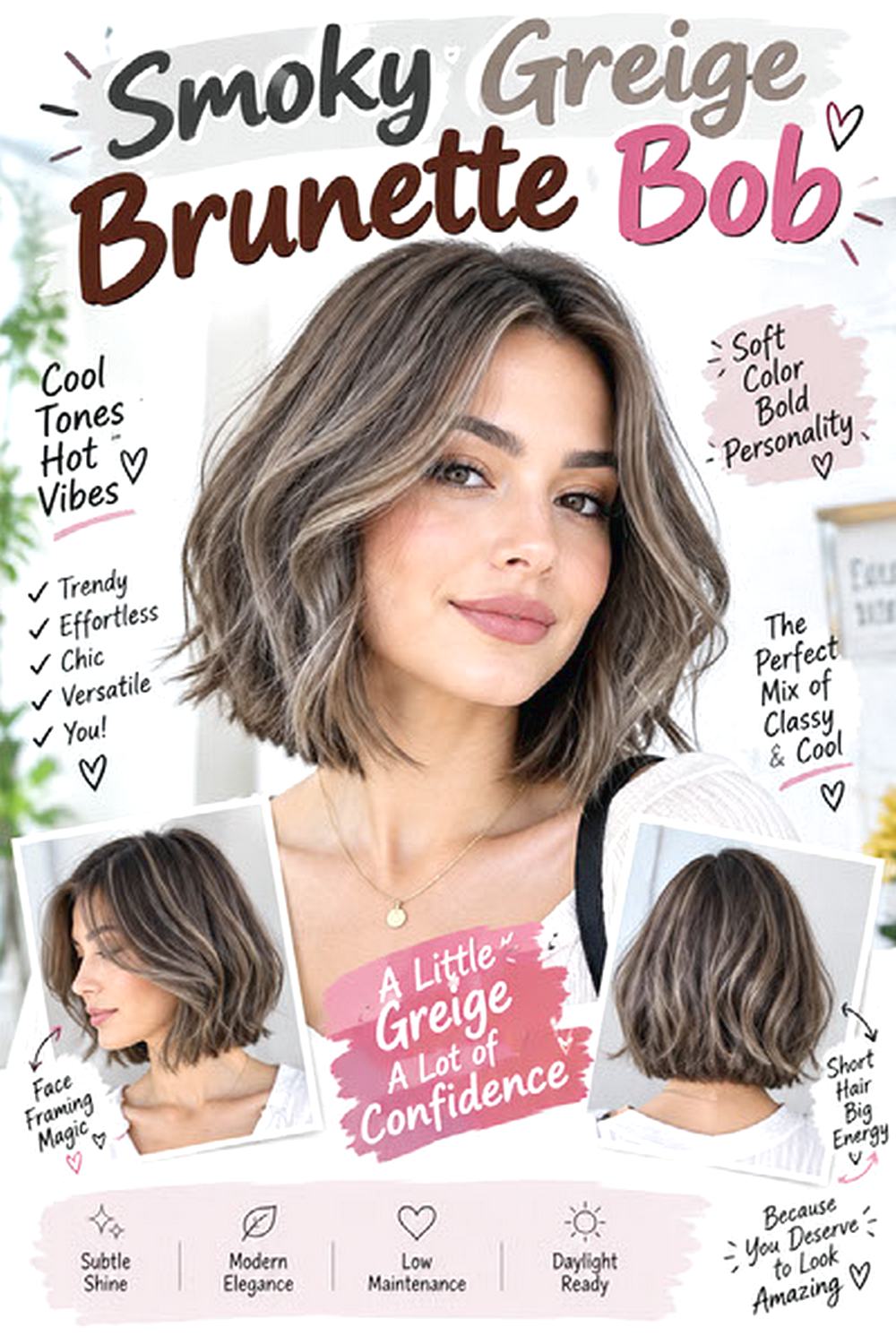
A chin- or jaw-length bob gives smoky greige brunette a clean shape that makes subtle tonal changes easy to notice. The base stays medium brown, while muted ash-beige pieces sit over the surface and around the temples. Keeping the perimeter fairly full helps the color look richer, especially on fine or medium-density hair. Thick hair can wear the same idea with discreet internal bulk removal rather than heavy layering at the ends. Straight and lightly wavy textures are the simplest match because the compact shape reflects light evenly. Use a smoothing cream, heat protectant, and small round brush or blow-dry brush for a polished finish. Styling takes moderate effort after washing but is quick to refresh. Because the ends of a bob can be porous, they may grab cool toner more strongly than the roots. Ask your colorist for smoky beige-brown rather than silver and keep slightly deeper color underneath so the bob retains dimension instead of becoming flat gray-brown.
Pro tip:
If your ends are already light, ask whether they need more bleach or only toner. Repeated lifting can make a sharp bob perimeter look dry and less dense.
Greige Brunette Face Frame
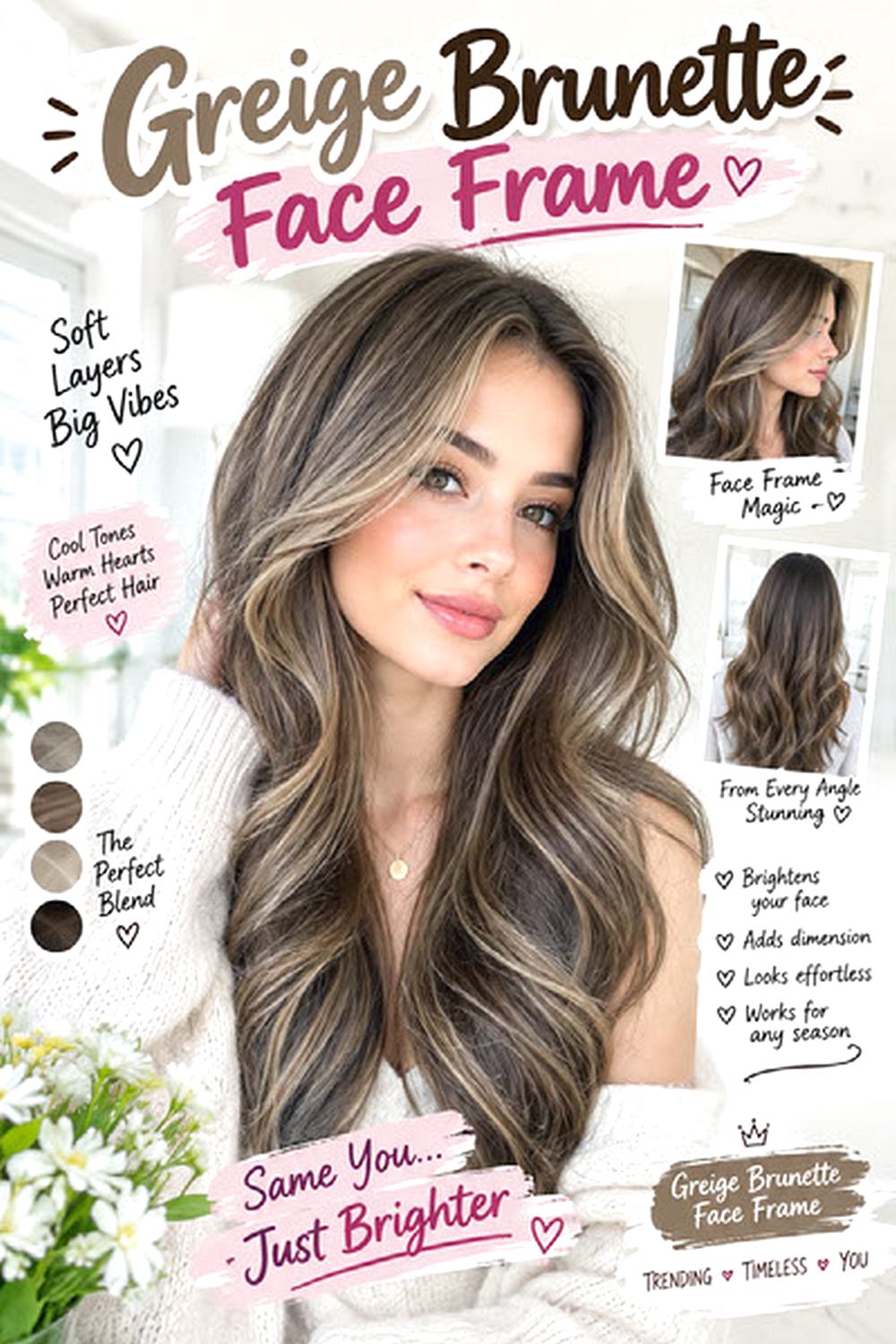
Greige face-framing pieces brighten the front without changing the entire brunette base. Narrow taupe-beige sections can start near the hairline and become slightly lighter around the cheekbones, while the back remains deeper brown. The contrast is noticeable but softer than a blonde money piece. Fine hair generally suits slim ribbons because they preserve density around the temples; medium and thick hair can support wider sections or a few hidden highlights underneath. A bond-supporting treatment, heat protectant, and medium round brush help keep the lightened front pieces smooth. Daily styling is quick if you simply bend the frame away from the face, although natural waves can show the color with almost no heat. The front may require toning before the darker lengths because it is usually lifted higher. At the salon, show your normal part and ask for the greige brightness to follow the actual hairline, with a soft transition into the surrounding brunette rather than two isolated pale strips.
Pro tip:
Bring a front-facing reference photo. The width of a face frame is much easier to judge from the front than from a side-angle image.
Mushroom Greige Brunette Blend
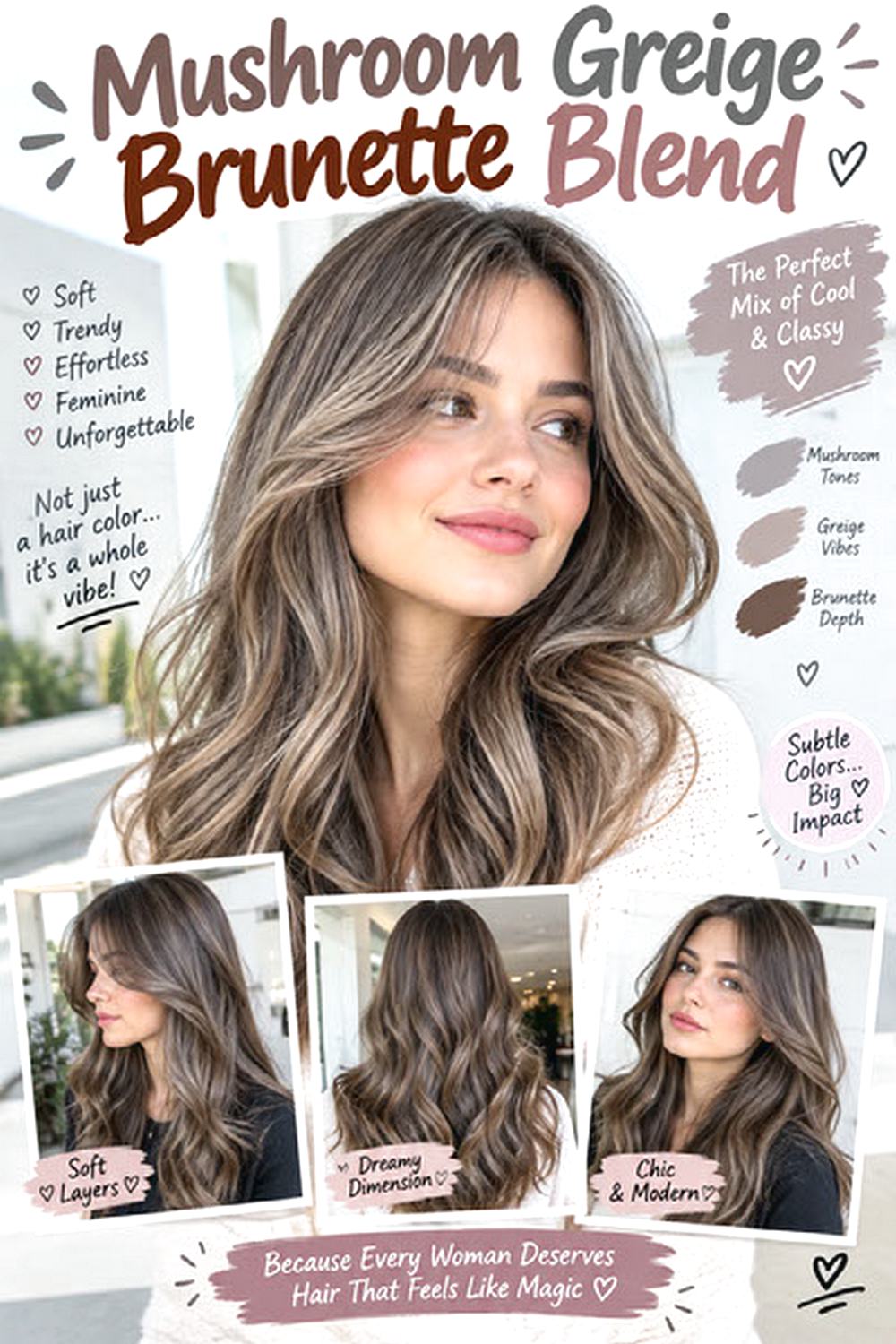
Mushroom tones make greige brunette feel softer by combining taupe, muted ash, and beige-brown shades at similar depths. Instead of obvious highlights, the color moves quietly between medium brunette and lighter mushroom ribbons. This works well on medium-density straight or wavy hair, where subtle shifts remain visible without needing strong contrast. Thick hair can use additional interior pieces to prevent the color from looking too solid, while fine hair benefits from keeping darker sections at the perimeter. Try a sulfate-free shampoo, hydrating mask, and lightweight serum to maintain a smooth finish without flattening the hair. Styling is easy; a natural blow-dry or a few loose bends show the tonal variation. Mushroom shades can gradually become warmer, so occasional glossing may be useful. At the salon, ask for taupe-brown and beige tones within a narrow level range, keeping the result muted rather than heavily highlighted. Preserve enough natural brunette around the root and underneath to maintain depth.
Pro tip:
If you dislike gray-looking hair, point out the beige component in your reference image. Greige can stay cool without becoming silver or flat.
Ash Beige Greige Brunette Waves

Loose waves show off an ash-beige greige blend because every bend exposes a slightly different shade. The root can stay medium brunette, while neutral-cool beige ribbons begin around the mid-lengths and increase through the face frame and ends. This gives the hair movement without the strong contrast of traditional blonde highlights. Medium and thick wavy hair carry the pattern well, while fine hair should keep fewer light sections near the bottom so the ends remain substantial. Use heat protectant, a large-barrel curling iron, and flexible finishing spray to create broad bends rather than tight curls. Styling takes moderate time after washing but can be refreshed by reworking only the front and top sections. Cool beige may need glossing when underlying gold begins to show. At the salon, ask for ash-beige highlights over a brunette base and keep the lightest sections away from icy platinum. The goal should be muted taupe dimension with a soft root transition.
Pro tip:
Alternate a few wave directions instead of curling every section identically. Irregular movement reveals more of the beige and brunette contrast.
Dark Greige Brunette Melt

Dark greige brunette stays close to the natural brown family, making it a practical option for deeper bases that do not need dramatic lightening. The roots remain rich brunette, then soften into smoky taupe through the mid-lengths with subtle beige-brown brightness near the ends. Thick and medium-density hair show the gradual color change particularly well because there is enough depth for multiple tones to appear. Fine hair can wear the same melt with a slightly brighter front to prevent the overall effect from becoming too dark. Use a color-safe cleanser, anti-frizz cream, and paddle brush for a glossy surface. Styling can be quick, since straight hair displays the gradient clearly and natural waves only add extra dimension. Maintenance is generally manageable, with gloss or toner appointments more important than frequent root coloring. At the salon, ask to keep the lightest tone clearly within the brunette range and begin the transition softly below the roots rather than adding pale highlights near the scalp.
Pro tip:
On naturally dark hair, staying at a deeper greige level can reduce unnecessary lifting and make unwanted warmth easier to control between salon visits.
Greige Brunette Babylights
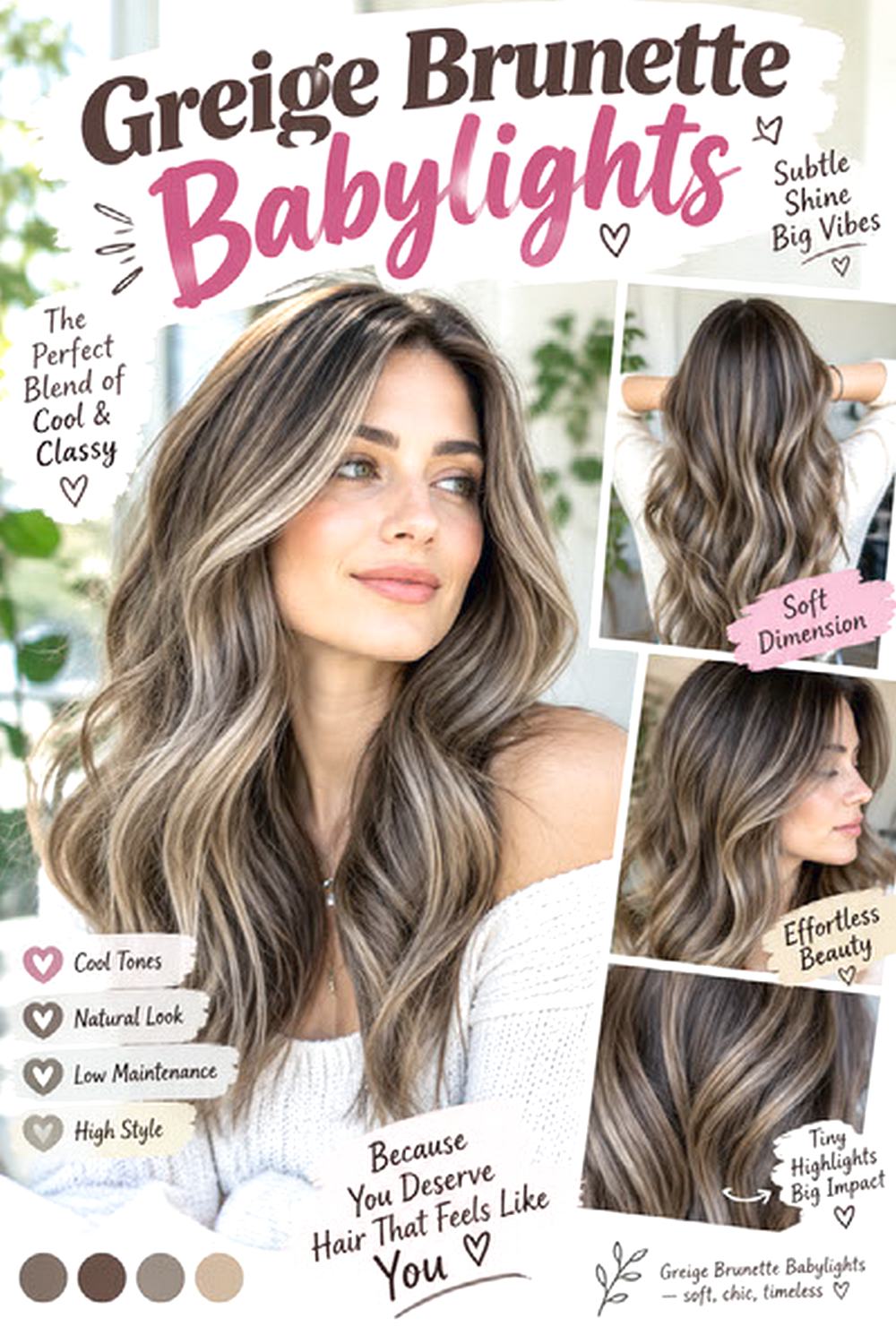
Babylights give greige brunette a finely woven finish instead of obvious highlight ribbons. Very small taupe and beige sections sit through the top, hairline, and selected mid-lengths, creating a light veil over the brunette base. This technique is especially useful for fine hair because tiny highlights add visible dimension while leaving enough darker hair to support fullness. Medium-density hair can use a denser pattern if more brightness is wanted. Straight and softly wavy textures display the delicate pieces clearly. Choose a lightweight conditioner, thermal protectant, and vent brush so the hair stays airy rather than coated. Styling is quick; even a basic blow-dry reveals the fine contrast. Babylights usually grow out softly, although cool toners may fade sooner than the highlights themselves. At the salon, ask for micro-fine sections concentrated around the part and hairline, with natural brunette left underneath and between them. Avoid turning the whole surface into one solid pale tone.
Pro tip:
If your hair is fine, preserve some natural depth through the ends. Highlighting nearly every strand can remove the contrast that makes babylights look dimensional.
Greige Brunette With Lowlights

Lowlights can bring structure back to greige brunette hair that has become too pale or uniform from repeated highlighting. Deeper taupe-brown sections are woven through the interior while selected beige pieces stay brighter around the face and surface. The result looks richer without losing the cool greige character. Medium and thick hair benefit most from this approach because lowlights prevent dense hair from reading as one flat color. Fine hair can use fewer, delicate lowlights placed away from the hairline. A nourishing color-safe mask, smoothing serum, and wide-tooth comb help maintain shine without roughing up highlighted ends. Styling is easy when worn straight and moderate with waves, which reveal the interior contrast more clearly. Regrowth may appear softer once darker pieces are restored. At the salon, ask for lowlights that sit only slightly deeper than the base rather than dramatically dark brown, and keep the face frame and a few surface ribbons lighter for balance.
Pro tip:
Very porous blonde ends may absorb lowlight pigment quickly. Ask your colorist to adjust the formula or processing time so those areas do not become unexpectedly dark.
Cool Greige Brunette on Long Layers

Long layers create space for greige brunette to shift gradually from deeper roots into lighter taupe and beige through the lengths. The brightest sections can follow cheekbone and jaw-length face-framing pieces, while darker brunette remains underneath to make the movement more visible. Medium and thick hair carry this layered placement easily; fine hair should keep the lowest layers longer and less heavily highlighted so the perimeter stays full. Straight hair gives the transition a smoother look, while waves make each layer show a different tone. Use volumizing spray, heat protectant, and a large round brush for a soft blowout that lifts the front without over-curling it. Styling takes moderate time on wash day but only the top layers usually need refreshing later. Long colored ends also need regular moisture. At the salon, ask for brightness to follow the haircut rather than being distributed evenly, with cooler beige around the face and deeper greige sections through the interior.
Pro tip:
Take a reference photo that clearly shows both the color and the layer placement. Highlights look more intentional when they follow the visible movement of the haircut.
Greige Brunette Money Piece

A greige money piece makes the front noticeably lighter while keeping the rest of the hair deep brunette. Two taupe-beige sections frame the face, with the width controlling how graphic or subtle the result feels. Medium and thick hair can carry wider panels, while fine hair usually looks more balanced with slimmer pieces that leave density at the temples. This placement works on straight hair, waves, lobs, and long cuts because the contrast is concentrated near the hairline rather than dependent on overall length. Use bond repair, thermal protectant, and a smoothing serum since the front sections often receive more lightening and more daily heat. Styling is quick: smooth the roots and curve the money piece slightly away from the face. It may need toner or root blending sooner than the rest of the color. At the salon, specify the exact width you want and ask for muted greige beige rather than platinum, silver, or strongly golden blonde.
Pro tip:
Consider how the money piece looks when your hair is tied back. Wide panels can appear much bolder in a ponytail than they do with the hair worn down.
Low-Maintenance Greige Brunette Ombre
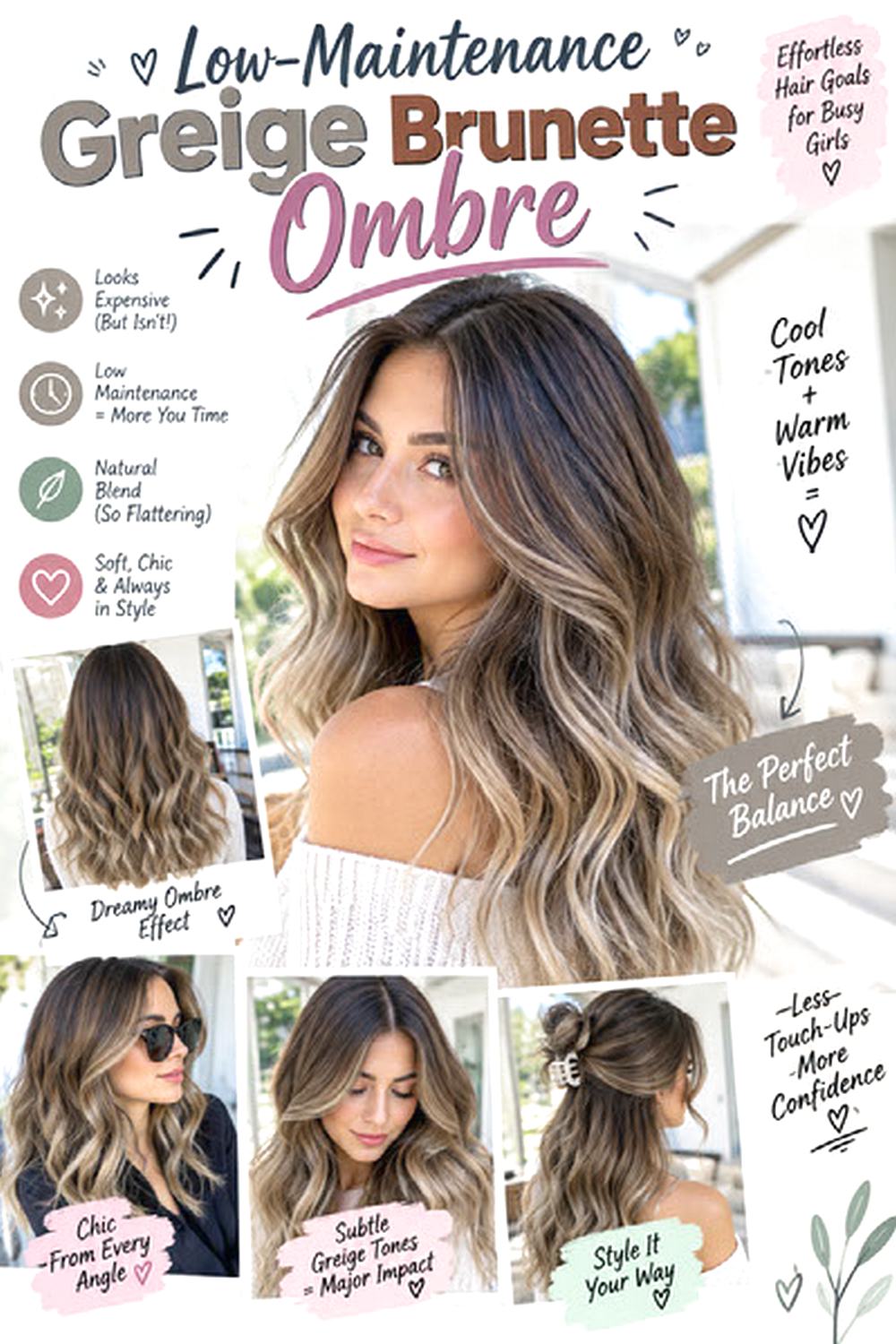
A greige brunette ombre keeps the roots and upper lengths close to natural brown, then introduces taupe and muted beige gradually from the mid-lengths downward. Because the lightest color sits away from the scalp, regrowth is less noticeable than with root-to-tip highlighting. Medium and long hair work best because there is enough space for the color transition to look smooth. Thick hair can carry a broad gradient, while fine hair benefits from leaving some darker strands through the ends to maintain visual fullness. Use a moisturizing mask, heat protectant, and lightweight oil focused on the lower lengths, where previous lightening can create dryness. Styling is easy to moderate; waves emphasize the fade, but straight hair shows it clearly too. Toner may need refreshing even when the root does not. At the salon, ask for the greige transition to begin softly around the mid-lengths with no horizontal color line and keep the ends beige-taupe rather than icy blonde.
Pro tip:
At maintenance appointments, ask whether the ends actually need more lightening or only fresh toner. Repeated bleach on already-light sections can create unnecessary dryness.
Conclusion
Greige brunette hair color ideas can range from deep smoky melts to brighter face frames, babylights, money pieces, and low-maintenance ombre. The most important choices are root depth, amount of beige versus ash, highlight width, and how much natural brunette remains visible. Fine hair often benefits from smaller sections and a stronger perimeter, while thick hair can carry lowlights and broader dimensional placement. Waves reveal multiple tones, straight hair shows clean transitions, and long layers give the color more room to move. The best version depends on your natural base, texture, density, hair condition, preferred length, maintenance comfort, and styling routine. Choosing a realistic level of lightness usually makes the color easier to keep balanced between appointments.
Choose one or two favorite ideas and save clear photo references taken in natural-looking light. Discuss your face shape, natural texture, density, preferred length, maintenance level, and regular styling routine with your stylist. Point out the exact root depth, face-framing brightness, highlight width, layer placement, taupe tone, and finished level you like so the color can be adapted to your actual hair rather than copied without adjustment.
FAQs
Is greige brunette warm or cool?
Greige brunette is usually neutral to cool, combining brown with taupe, gray-beige, mushroom, or muted ash tones. It can still contain enough beige to avoid looking silver.
Can dark brunette hair become greige without going very light?
Yes. Dark greige melts, subtle balayage, lowlights, and brunette-based blends can create the effect without taking the hair to a pale blonde level.
How do I stop greige brunette from turning brassy?
Use color-safe products, limit excessive heat, and use blue or violet toning products only when unwanted warmth appears. A salon gloss can also restore the intended taupe-beige balance.
Is greige brunette high maintenance?
It depends on placement. Ombre, shadow roots, lowlights, and balayage generally grow out more softly, while brighter face frames and money pieces may need earlier toning or root blending.